SupplementsBlood sugarEvidence-ranked
Before a single capsule: the things that move blood sugar most aren’t sold in bottles. Eating fewer refined carbohydrates and more whole, higher-fibre food; walking for ten minutes after a meal instead of sitting; sleeping properly; and shedding excess weight around the middle — these shift fasting glucose, post-meal spikes and HbA1c by margins no supplement here comes close to. Give them a genuine run first. Whether medication such as metformin belongs on top of that is a decision for you and your doctor, not for this page — and nothing below replaces a drug you have been prescribed. What supplements can honestly add falls into three camps: a couple that genuinely blunt glucose, a middle group that is promising but thinly evidenced, and a popular tail that keeps shrinking every time it meets a proper trial.
Read this first
- Food, movement, sleep and weight beat everything on this page. A short walk after eating blunts the spike more reliably than most of these capsules. Start there.
- Genuinely useful: viscous soluble fibre — psyllium, oat beta-glucan, inulin — taken with meals, and berberine, which is powerful precisely because it behaves like a drug (read the interaction warning).
- Worth a look: cinnamon (small effect — choose Ceylon, not cassia), magnesium (mostly if you run low), and inositol (best evidence in PCOS).
- Popular but shaky: chromium and alpha-lipoic acid — small, inconsistent trials.
- If you already take glucose-lowering medication, several of these — berberine above all — can stack with it and push your blood sugar too low. Clear anything new with your doctor first.
- These are food supplements. None treats, cures or prevents diabetes.
Tier 1 — the ones that genuinely blunt glucose
Well supported
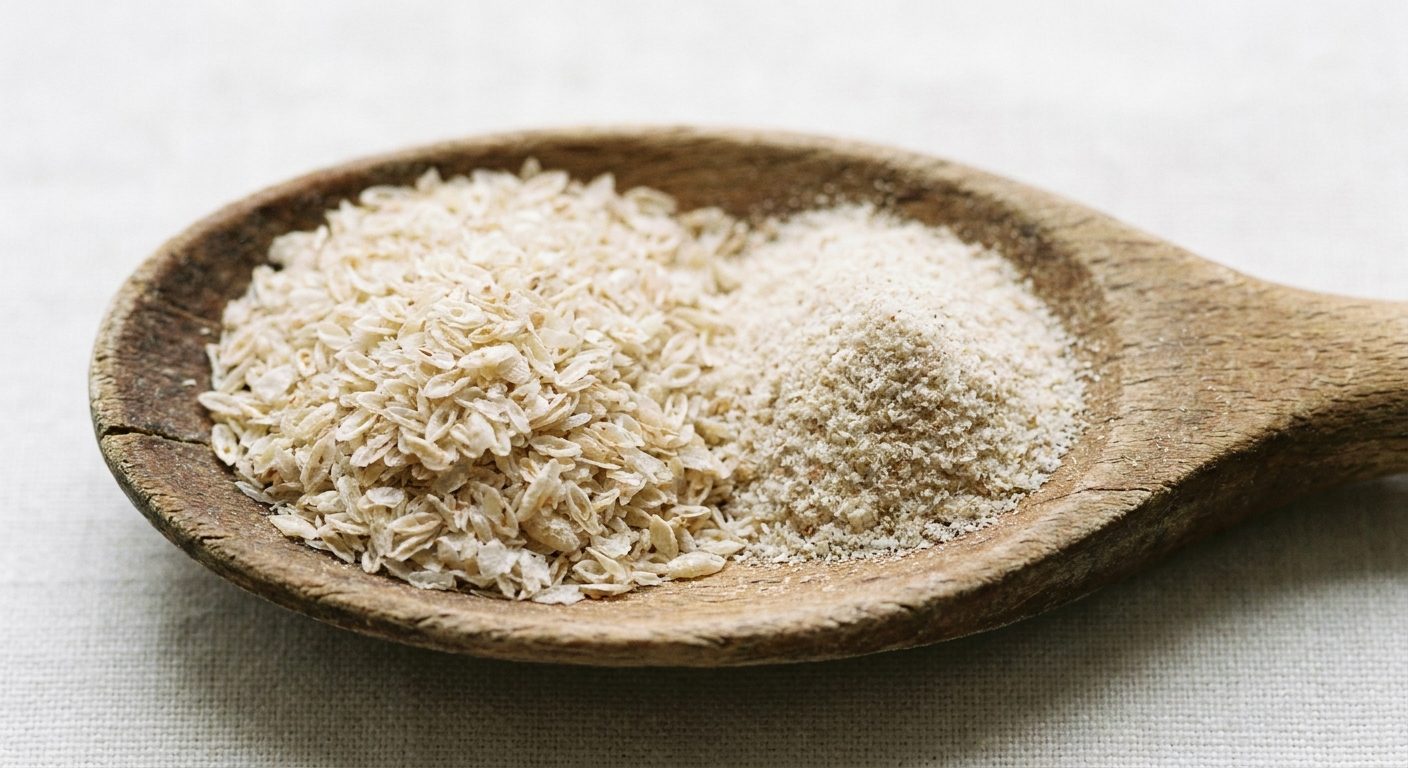
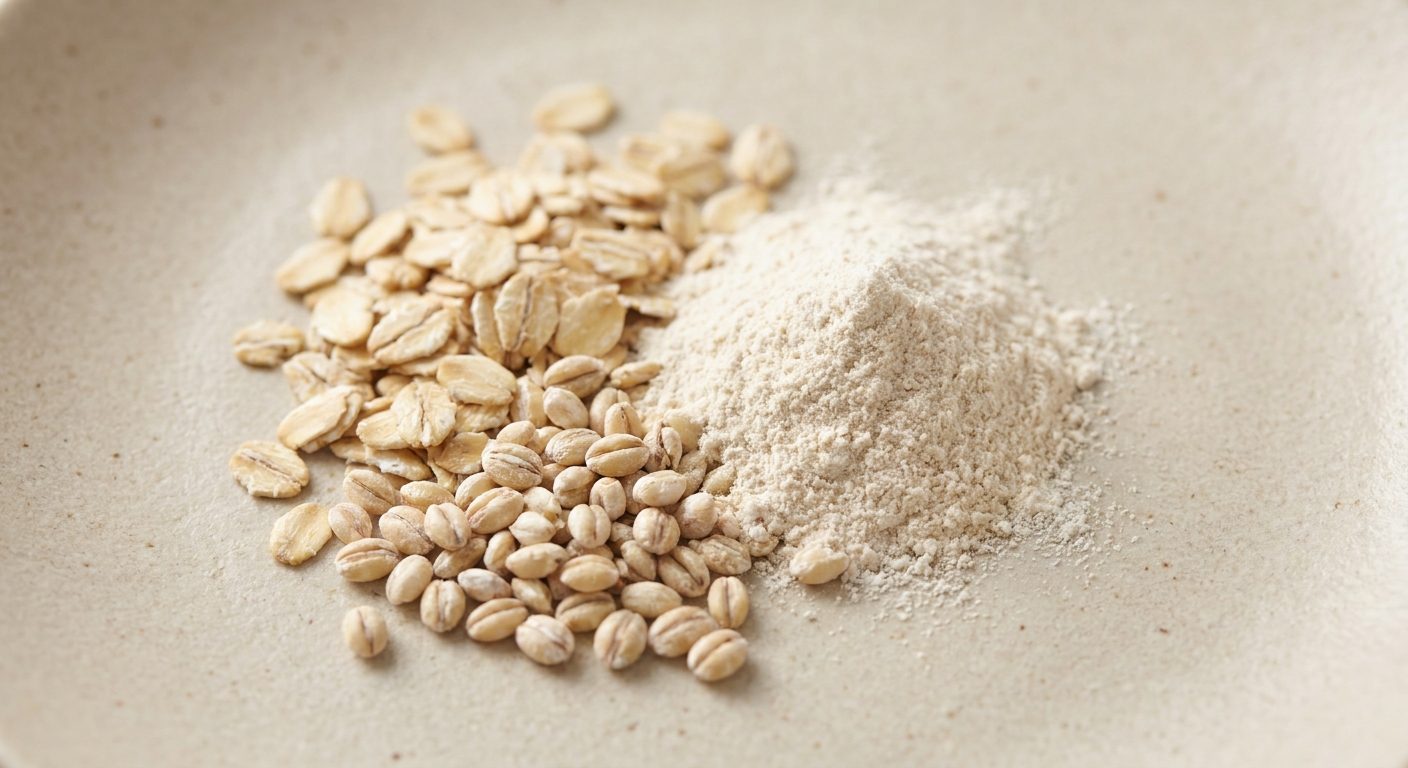
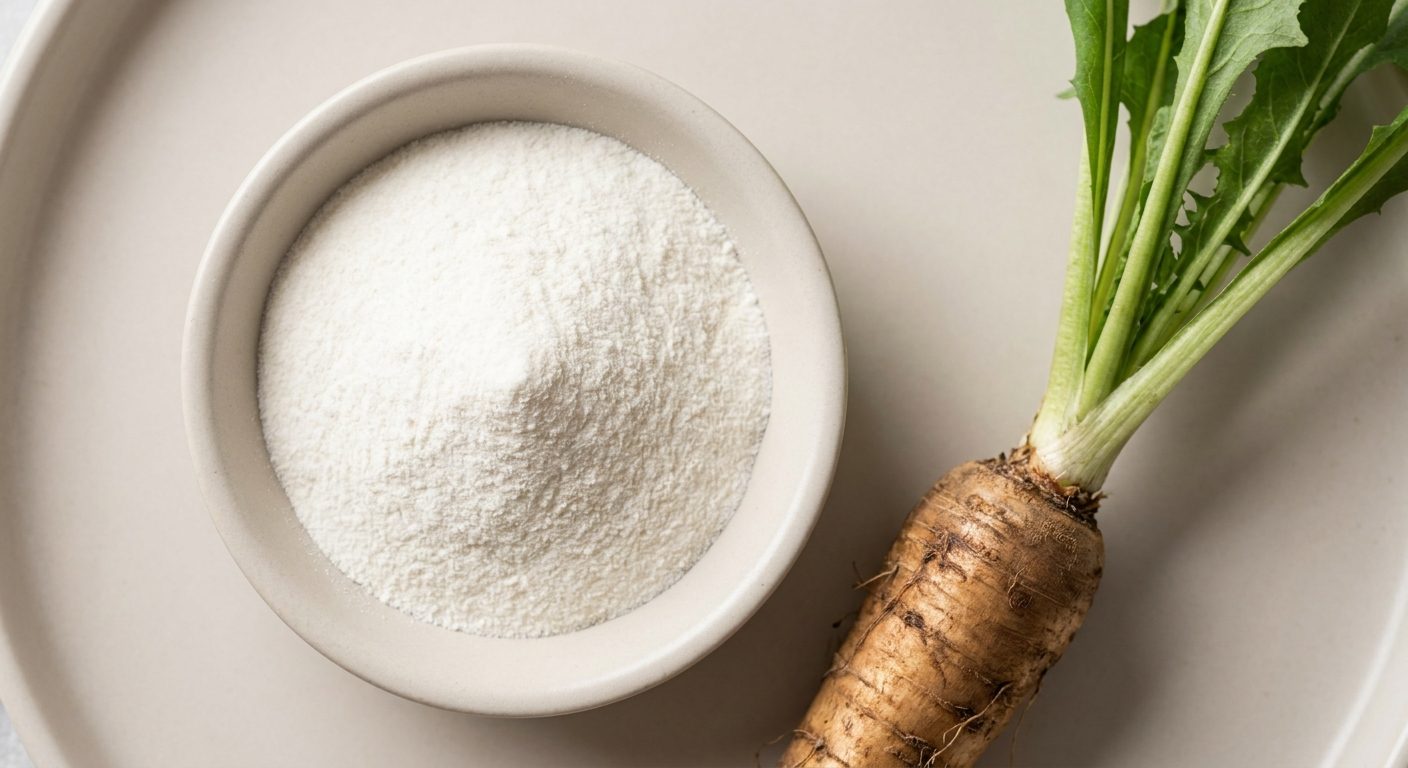
Viscous soluble fibre is the one intervention here I would actually reach for, because it works by simple physics: it thickens the gut contents, slows how fast a meal empties, and flattens the glucose spike that follows — then feeds the gut bacteria on the way through. Psyllium is the best-studied: a meta-analysis pooling euglycaemic people, those at risk, and those with type 2 diabetes found it improves glycaemic control in proportion to how poor that control is to begin with — little to do in healthy people, a meaningful drop in fasting glucose and HbA1c in those who need it, at roughly 10 g/day before meals.1 Oat beta-glucan at about 3 g/day lowers fasting glucose and HbA1c and nudges insulin sensitivity in diabetic patients across randomised trials.2 And inulin-type fructans came through a GRADE-assessed dose-response review of 33 trials with lower fasting glucose, HbA1c and HOMA-IR in prediabetes and type 2 diabetes.3 None of these is dramatic, all are cheap, and unlike most of this page they earn their place through more than one job. See the fibre guide for forms and how to build up without the bloating.
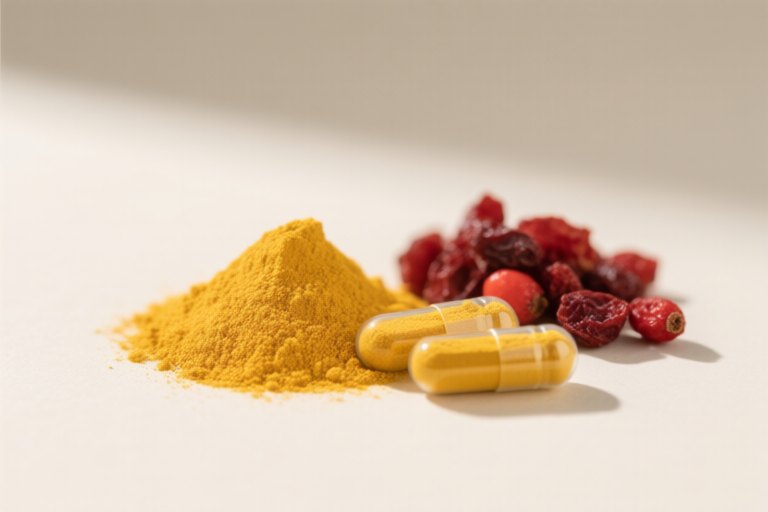
Berberine is the one that genuinely surprises people. A plant alkaloid, it lowers fasting and post-meal glucose and HbA1c to a degree that in head-to-head trials looks comparable to metformin: in Yin’s 2008 study, 500 mg three times a day dropped HbA1c about as much as the drug did,4 and a later meta-analysis of berberine across diabetes, lipids and blood pressure reached the same conclusion — on a par with standard oral glucose-lowering agents.5 Read that with the caveats the reviewers themselves flag: the trials are mostly small, short and done in China, the raw compound is poorly absorbed (hence the awkward 500 mg two-to-three times daily with food), and it is a real CYP3A4 inhibitor that interacts with a long list of medicines. It is genuinely active — which is exactly why it is not a casual purchase, and never a metformin substitute. Berberine also turns up on our heart & cholesterol hub, where it earns its place for the lipid panel rather than glucose.
Tier 2 — promising, but the human data is thin
Worth a look — know the limits
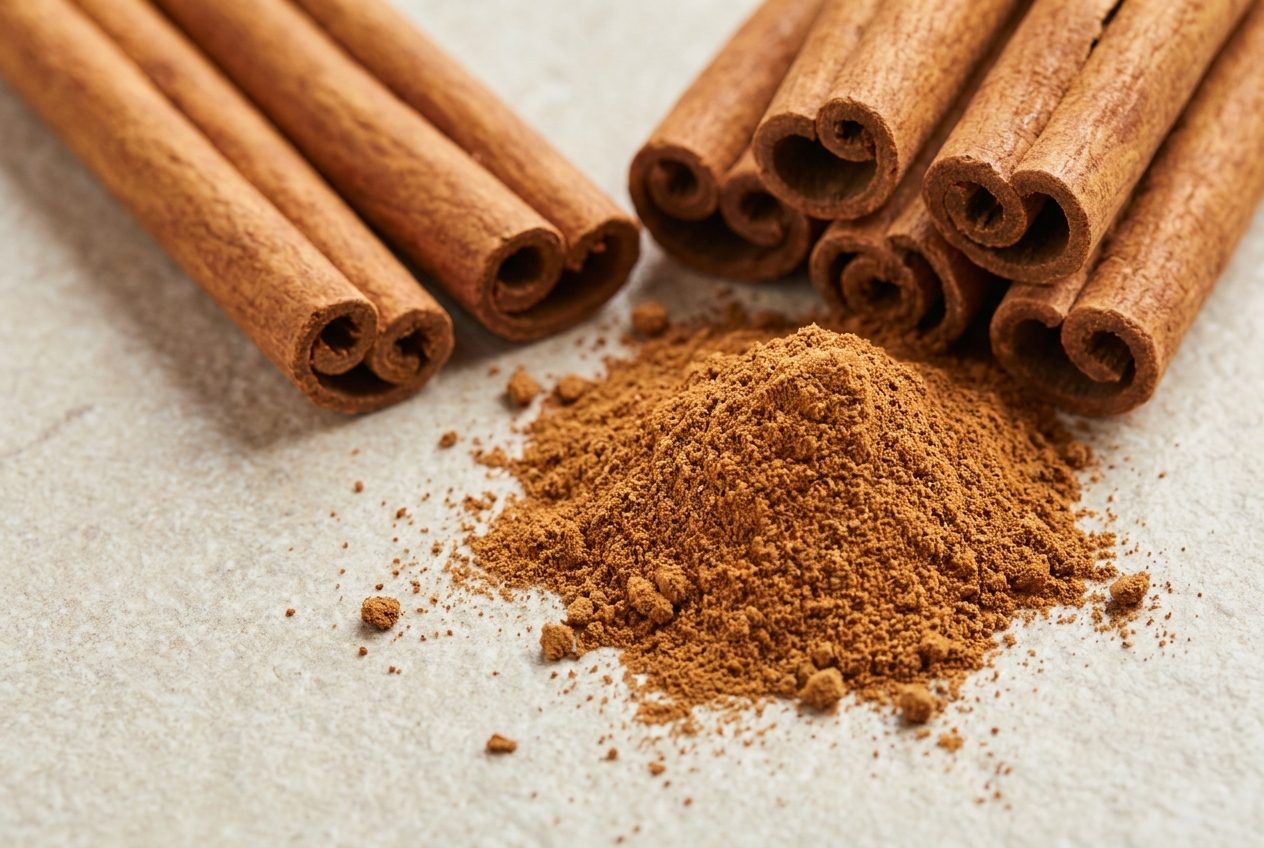
Cinnamon is the classic “might as well” option. The most cited meta-analysis found it lowers fasting glucose by a modest amount but did not clearly move HbA1c, and the trials scatter badly — different doses, species and durations pulling in different directions.6 If you try it, the choice of cinnamon matters more than most people realise: cheap supermarket cassia is loaded with coumarin, which is hepatotoxic and has a tolerable daily intake of just 0.1 mg/kg body weight — a couple of heaped teaspoons of cassia can exceed it.7 True Ceylon cinnamon contains only traces, and is the one to use if you are taking it daily by the spoonful. A sprinkle on porridge is harmless either way; a therapeutic cassia dose is not.
Magnesium earns its spot honestly. Low magnesium status tracks closely with insulin resistance, and a meta-analysis of double-blind trials found supplementation improves fasting glucose and markers of insulin sensitivity — with the effect concentrated in people who are deficient or at risk, and much weaker in those already replete.8 So it is not a glucose drug; it is a way of fixing a shortfall that happens to impair glucose handling. Worth checking your intake first — see the full magnesium guide.
Inositol — myo-inositol in particular — is the interesting one for a specific group. In women with polycystic ovary syndrome, a condition built on insulin resistance, a meta-analysis of randomised trials found myo-inositol improves insulin sensitivity (HOMA) and hormonal markers.9 That is a genuinely useful signal, and it is well tolerated. The honest caveat is that the strong evidence lives in PCOS; extrapolating it to blood-sugar control in the general population is a bigger leap than the marketing admits.
Tier 3 — popular, but the trials keep deflating
Over-sold
Chromium is the perennial “blood-sugar mineral.” Pooled trials show a reduction in HbA1c and fasting glucose in people with diabetes, but not in people without it, and the effect is small and heterogeneous.10 The most plausible read is that chromium helps only where there is a genuine deficiency — which is rare on a normal diet — so for most people it does little. Cheap and low-risk, but not the lever it is sold as.
Alpha-lipoic acid is an antioxidant with a real, established use — diabetic nerve pain — that gets stretched into a blood-sugar claim it can barely support. A meta-analysis found supplementation lowers fasting glucose, insulin and HOMA-IR across metabolic patients, but the studies are small and mixed, and the effect on glucose is a side note next to its neuropathy data.11 Reasonable if peripheral neuropathy is the target; thin as a general glucose strategy.
The lever that isn’t a supplement: when you eat
Intermittent fasting keeps coming up here for a reason — but the evidence is more nuanced than the headlines. The most striking result is Sutton’s 2018 crossover trial: men with prediabetes ate all their food in an early six-hour window (breakfast to mid-afternoon) and improved insulin sensitivity, beta-cell function, blood pressure and oxidative stress without losing any weight — timing itself did the work.12 It was tiny (eight men) and brutally strict, so treat it as a proof-of-concept, not a prescription. On the other side, the TREAT trial put a far more popular pattern — 16:8, skipping breakfast and eating noon-to-eight — against normal three-meal days and found no meaningful advantage in weight or metabolic markers, plus a worrying signal of lost muscle mass.13
The honest read: early time-restricted eating shows real metabolic promise, late-window versions much less so, and either way the pattern only works if you can actually stick to it — compliance, not cleverness, decides the outcome. It is not for everyone: anyone with a history of disordered eating, who is pregnant or breastfeeding, underweight, or taking glucose-lowering medication (where skipped meals risk hypoglycaemia) should leave it alone or only try it under supervision. And it never substitutes for the quality of the food itself — a fasting window around a diet of refined junk fixes very little.
The honest bottom line. If you want to move your blood sugar, the highest-yield levers are what you eat, moving after meals, sleep and weight — and, when your risk justifies it, medication your doctor prescribes. Among supplements, only viscous soluble fibre and berberine have a clean, worthwhile effect, and berberine is essentially a drug you should treat like one. Cinnamon, magnesium and inositol are worth a look in the right person; chromium and alpha-lipoic acid are mostly hope. And meal timing can help — if it fits your life and your food is already decent.
Read this before you combine anything with medication. Berberine, and to a lesser extent fibre and the others here, lower blood sugar — so stacked on top of metformin, a sulfonylurea or insulin they can drive glucose too low (hypoglycaemia). Berberine also inhibits CYP3A4 and can raise the levels of statins, blood thinners and other drugs. Do not start any of these — and never stop a prescribed medicine — without talking to the clinician who manages your diabetes. If you monitor your own glucose, watch it closely for the first few weeks of anything new.
References
Adult research summary for education, not a prescription. These are food supplements, not treatments for disease.
- Gibb RD, McRorie JW Jr, Russell DA, et al. Psyllium fiber improves glycemic control proportional to loss of glycemic control: a meta-analysis of data in euglycemic subjects, patients at risk of type 2 diabetes mellitus, and patients being treated for type 2 diabetes mellitus. Am J Clin Nutr 2015;102(6):1604–1614. pubmed.ncbi.nlm.nih.gov/26561625
- Shen XL, Zhao T, Zhou Y, et al. Effect of Oat β-Glucan Intake on Glycaemic Control and Insulin Sensitivity of Diabetic Patients: A Meta-Analysis of Randomized Controlled Trials. Nutrients 2016;8(1):39. pubmed.ncbi.nlm.nih.gov/26771637
- Wang L, Yang H, Huang H, et al. Inulin-type fructans supplementation improves glycemic control for the prediabetes and type 2 diabetes populations: a GRADE-assessed systematic review and dose-response meta-analysis of 33 randomized controlled trials. J Transl Med 2019;17(1):410. pubmed.ncbi.nlm.nih.gov/31805963
- Yin J, Xing H, Ye J. Efficacy of berberine in patients with type 2 diabetes mellitus. Metabolism 2008;57(5):712–717. pubmed.ncbi.nlm.nih.gov/18442638
- Lan J, Zhao Y, Dong F, et al. Meta-analysis of the effect and safety of berberine in the treatment of type 2 diabetes mellitus, hyperlipemia and hypertension. J Ethnopharmacol 2015;161:69–81. pubmed.ncbi.nlm.nih.gov/25498346
- Allen RW, Schwartzman E, Baker WL, Coleman CI, Phung OJ. Cinnamon use in type 2 diabetes: an updated systematic review and meta-analysis. Ann Fam Med 2013;11(5):452–459. pubmed.ncbi.nlm.nih.gov/24019277
- Abraham K, Wöhrlin F, Lindtner O, Heinemeyer G, Lampen A. Toxicology and risk assessment of coumarin: focus on human data. Mol Nutr Food Res 2010;54(2):228–239. pubmed.ncbi.nlm.nih.gov/20024932
- Veronese N, Watutantrige-Fernando S, Luchini C, et al. Effect of magnesium supplementation on glucose metabolism in people with or at risk of diabetes: a systematic review and meta-analysis of double-blind randomized controlled trials. Eur J Clin Nutr 2016;70(12):1354–1359. pubmed.ncbi.nlm.nih.gov/27530471
- Unfer V, Facchinetti F, Orrù B, Giordani B, Nestler J. Myo-inositol effects in women with PCOS: a meta-analysis of randomized controlled trials. Endocr Connect 2017;6(8):647–658. pubmed.ncbi.nlm.nih.gov/29042448
- Yin RV, Phung OJ. Effect of chromium supplementation on glycated hemoglobin and fasting plasma glucose in patients with diabetes mellitus. Nutr J 2015;14:14. pubmed.ncbi.nlm.nih.gov/25971249
- Akbari M, Ostadmohammadi V, Lankarani KB, et al. The effects of alpha-lipoic acid supplementation on glucose control and lipid profiles among patients with metabolic diseases: a systematic review and meta-analysis of randomized controlled trials. Metabolism 2018;87:56–69. pubmed.ncbi.nlm.nih.gov/29990473
- Sutton EF, Beyl R, Early KS, Cefalu WT, Ravussin E, Peterson CM. Early Time-Restricted Feeding Improves Insulin Sensitivity, Blood Pressure, and Oxidative Stress Even without Weight Loss in Men with Prediabetes. Cell Metab 2018;27(6):1212–1221.e3. pubmed.ncbi.nlm.nih.gov/29754952
- Lowe DA, Wu N, Rohdin-Bibby L, et al. Effects of Time-Restricted Eating on Weight Loss and Other Metabolic Parameters in Women and Men With Overweight and Obesity: The TREAT Randomized Clinical Trial. JAMA Intern Med 2020;180(11):1491–1499. pubmed.ncbi.nlm.nih.gov/32986097
This article summarises nutrition science for education. It is not a substitute for individual medical advice; consult a professional before starting a supplement, in pregnancy, or alongside medication — especially if you take metformin, a sulfonylurea, insulin or any other glucose-lowering drug.