SupplementsAdaptogensStress & energy
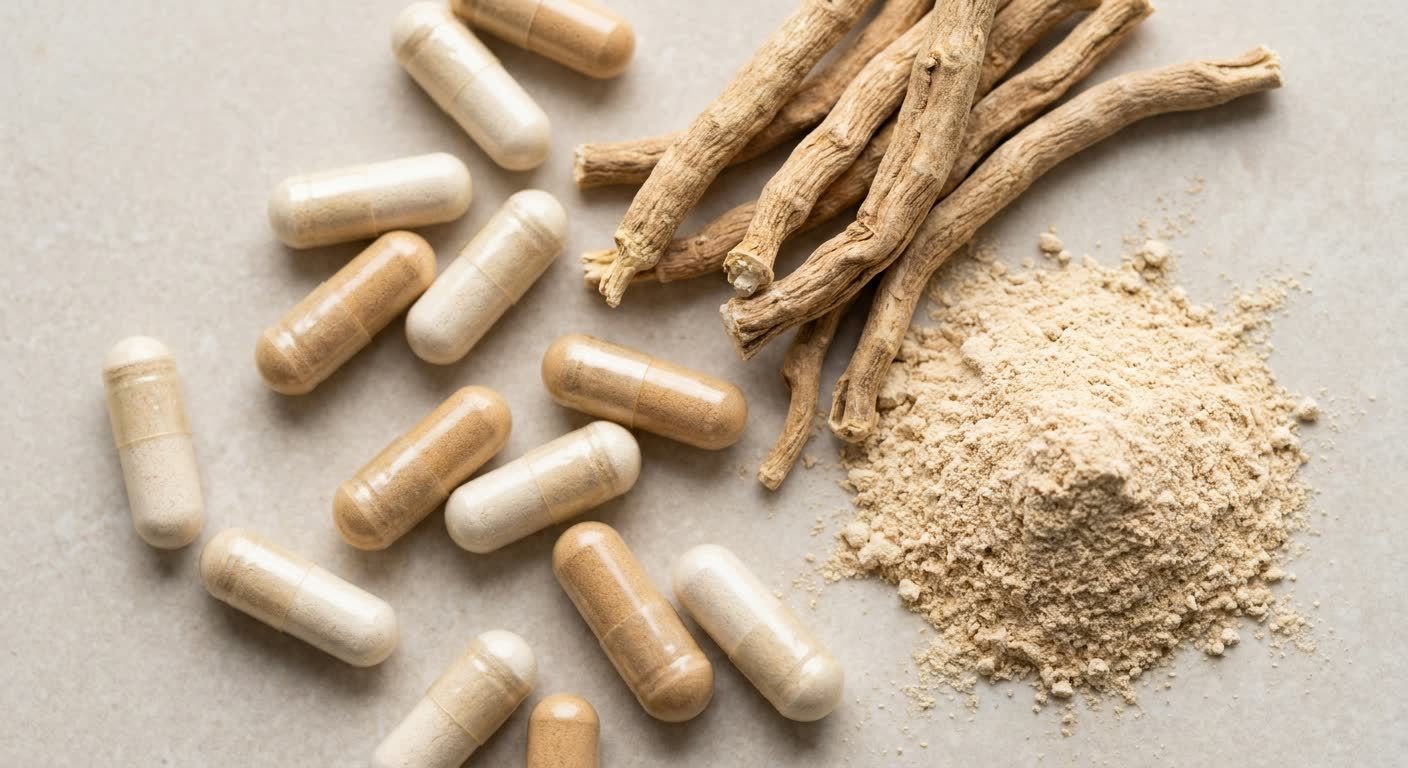
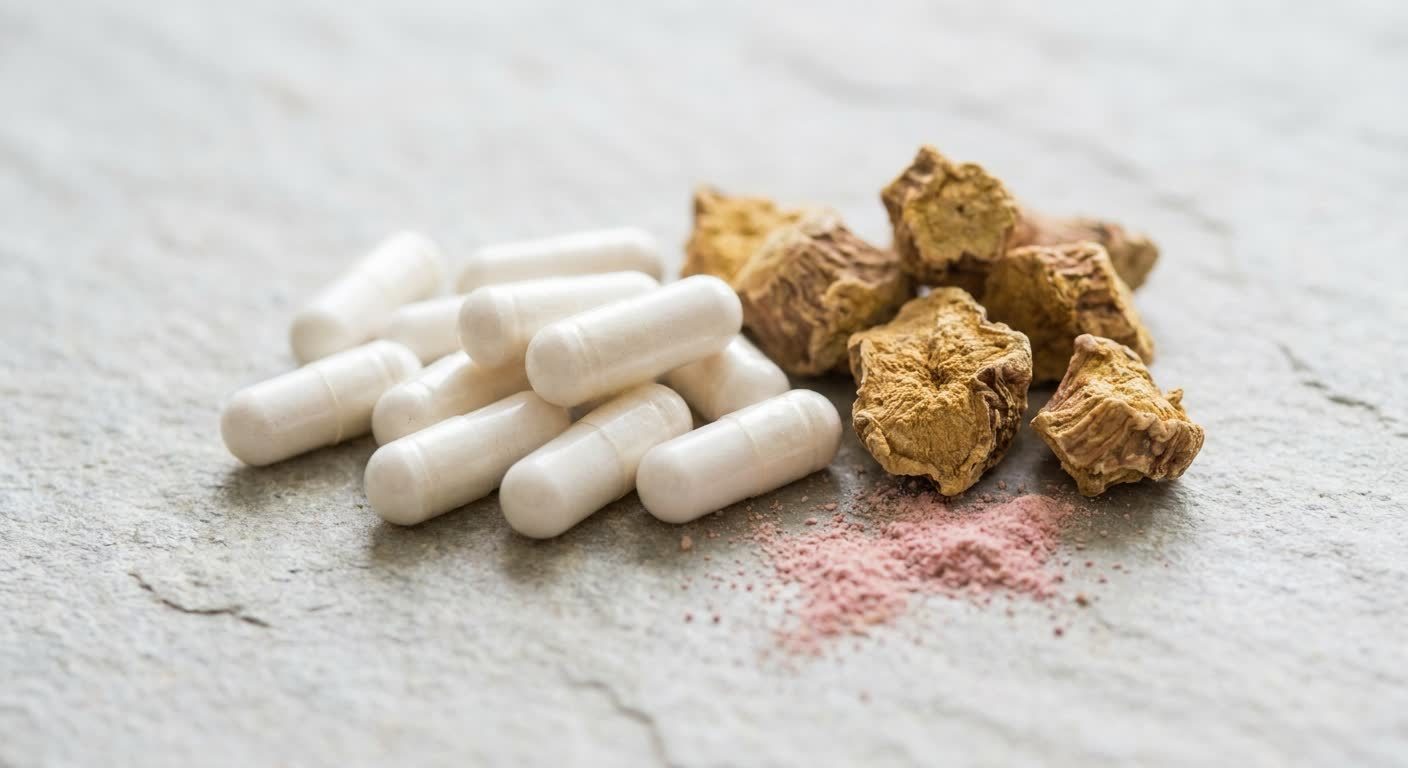
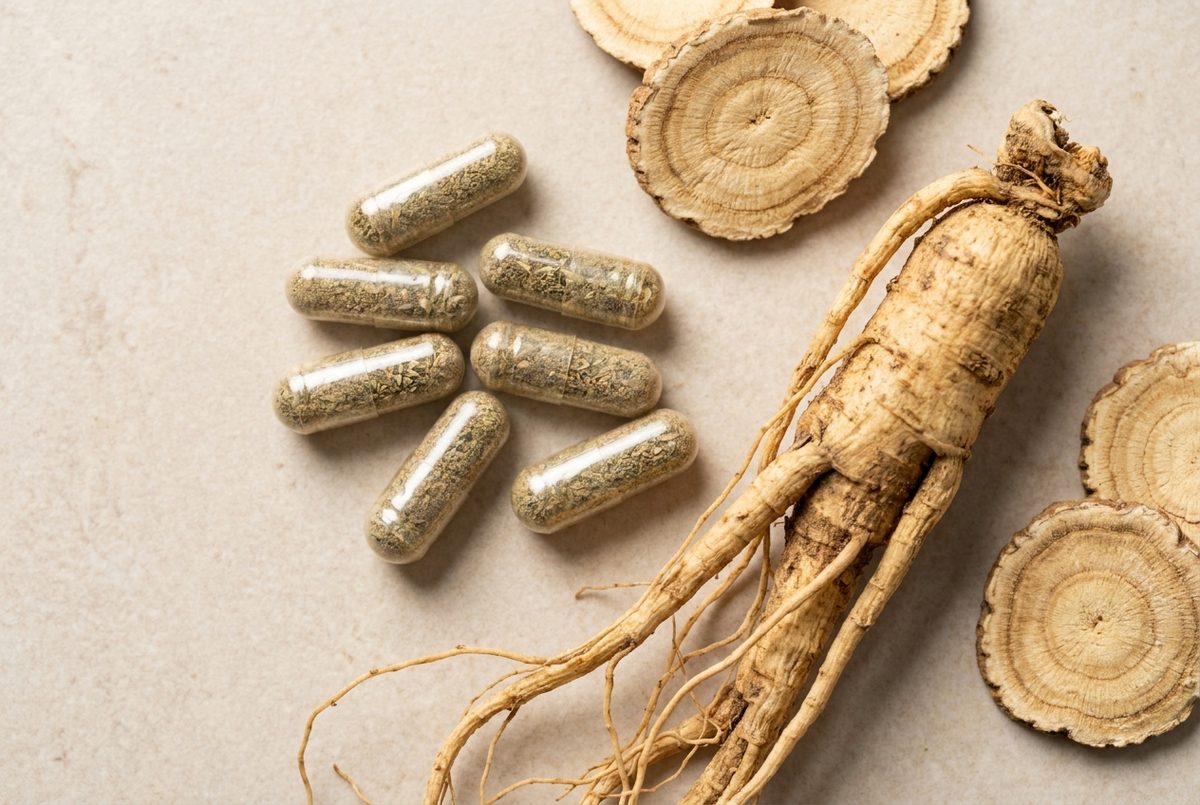
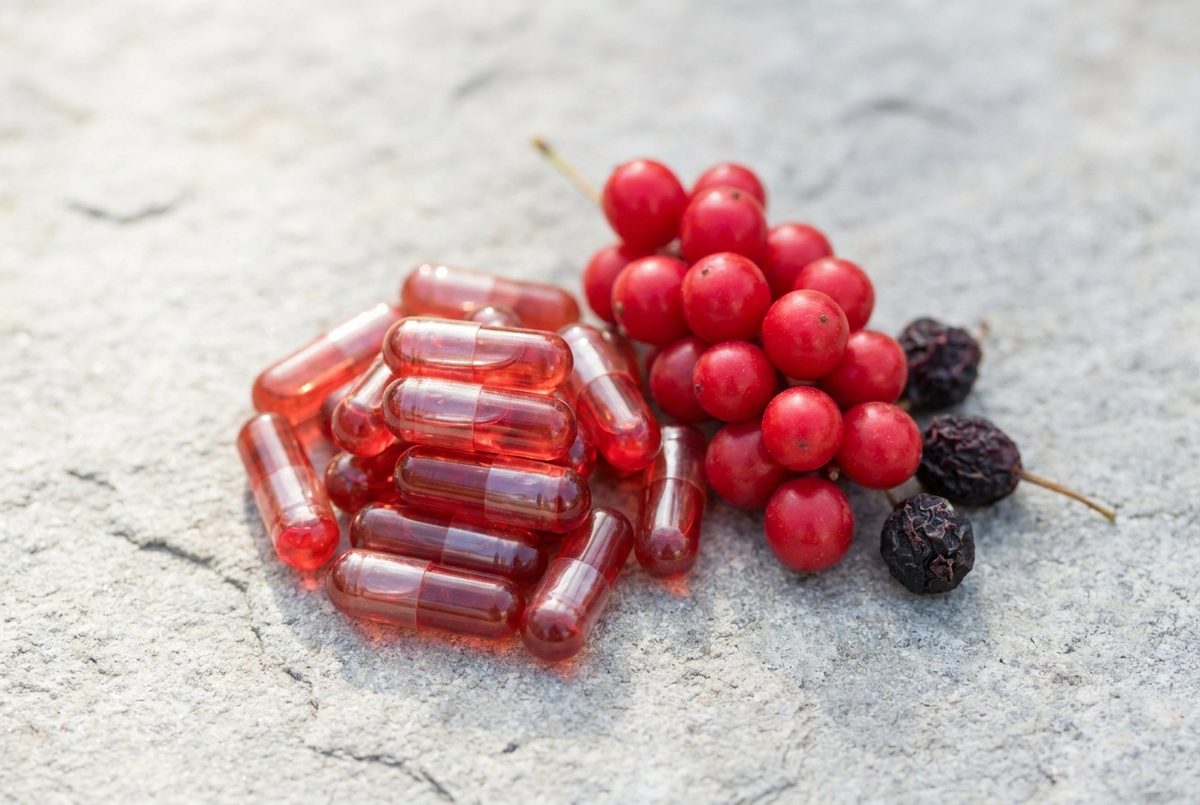
"Adaptogen" is a mid-20th-century Soviet term for plants said to raise the body’s non-specific resistance to stress — helping it stay balanced under mental or physical strain without over-stimulating it. It is a traditional and functional idea rather than a strict pharmacological class, and the evidence varies a lot from herb to herb. Below are the best-studied, pharmacy-available adaptogens, with what each does in the body and who benefits.
The essentials
- Best evidence: ashwagandha (stress, cortisol, sleep) and rhodiola (stress-related fatigue, focus).
- Classic tonics: Panax ginseng (fatigue, mild cognition) and schisandra (stamina + liver).
- Effects are modest and gradual — give a course 4–12 weeks, and remember these are food supplements, not treatments for anxiety, depression or any disease.
Also worth knowing
American ginseng (Panax quinquefolius) is a cooler, calmer cousin of Asian ginseng, studied for mental performance and blood-sugar control — a reasonable choice for people who find Korean ginseng too stimulating. Holy basil / tulsi (Ocimum sanctum) is an Ayurvedic adaptogen with small trials suggesting reduced stress and anxiety scores. Eleuthero (Eleutherococcus senticosus, “Siberian ginseng”) is a traditional endurance/anti-fatigue tonic, but it is not a true ginseng and has the thinnest human evidence of this group — a plausible endurance signal with an inconsistent stress benefit. These are worth knowing, though their evidence base is thinner than the four above.


Educational content, not medical advice. These are food supplements, not treatments for disease.