SupplementsHeart & cholesterolEvidence-ranked
The number that predicts a heart attack is your LDL cholesterol — or, better still, your apoB — and the things that shift it most aren’t on a supplement shelf: less saturated fat, more fibre, exercise, keeping your weight in check, and not smoking. Give those a real, honest run first — for many people lifestyle alone moves the number. Whether medication is also needed on top of that is a decision for you and your doctor, not for this page. What supplements can honestly do falls into three camps. A few genuinely lower LDL by a worthwhile amount. A second group leaves LDL alone but does something else worth knowing — omega-3 for triglycerides, berberine for the whole metabolic panel. And a third that everyone has heard of keeps deflating every time it is put in a proper trial. The trick is knowing which number you are actually trying to move before you spend a penny.
Read this first
- LDL (or apoB) is the number to watch. Diet, fibre, exercise and not smoking beat everything on this page. Medication is a conversation to have with your doctor once lifestyle has genuinely been given a chance — not a starting point.
- Actually lower LDL: plant sterols & stanols (about 2 g/day), viscous fibre (psyllium, oat beta-glucan), and red yeast rice — which works only because it is an unlabelled low-dose statin (read the warning below).
- A different target: omega-3 (EPA+DHA) cuts triglycerides at pharma doses, but the heart-outcome trials disagree (REDUCE-IT positive, STRENGTH null), and berberine nudges LDL, triglycerides and blood sugar together.
- Popular but shaky: CoQ10 (does not lower cholesterol; mixed for statin aches and heart failure) and garlic (small, modest, inconsistent).
- These are food supplements. None replaces medication your doctor has prescribed, and none treats or cures heart disease.
Tier 1 — the ones that genuinely lower LDL
Real LDL reduction
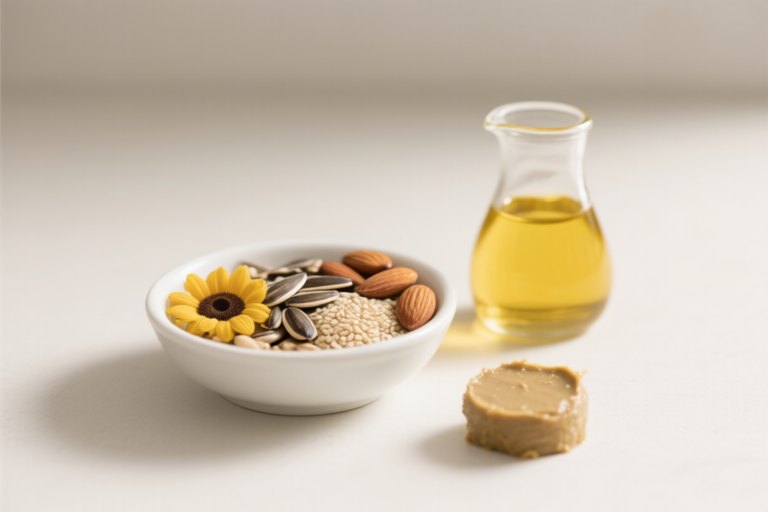
Plant sterols & stanols are the most boringly reliable option here. They sit in the gut and block cholesterol absorption, and the dose-response is well mapped: a meta-analysis of 124 studies found LDL falls steadily up to about 2 g/day, where you get roughly an 8–9% drop, with little extra benefit above that.1 The honest caveat is that this is a surrogate win — no trial has shown sterols themselves cut heart attacks, and the enriched spreads and yoghurt-drinks deliver the 2 g far more consistently than a stray capsule does. People with the rare inherited condition sitosterolaemia should avoid them.
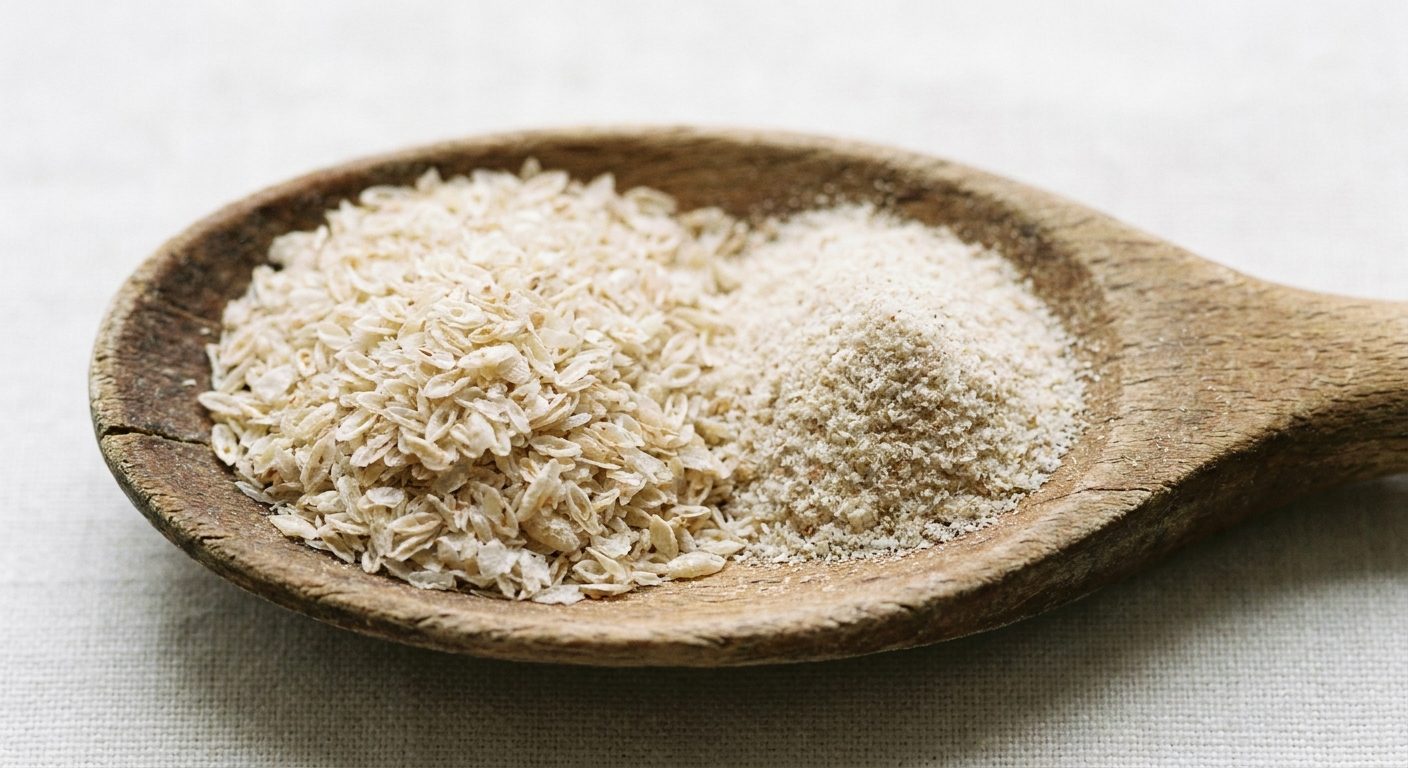
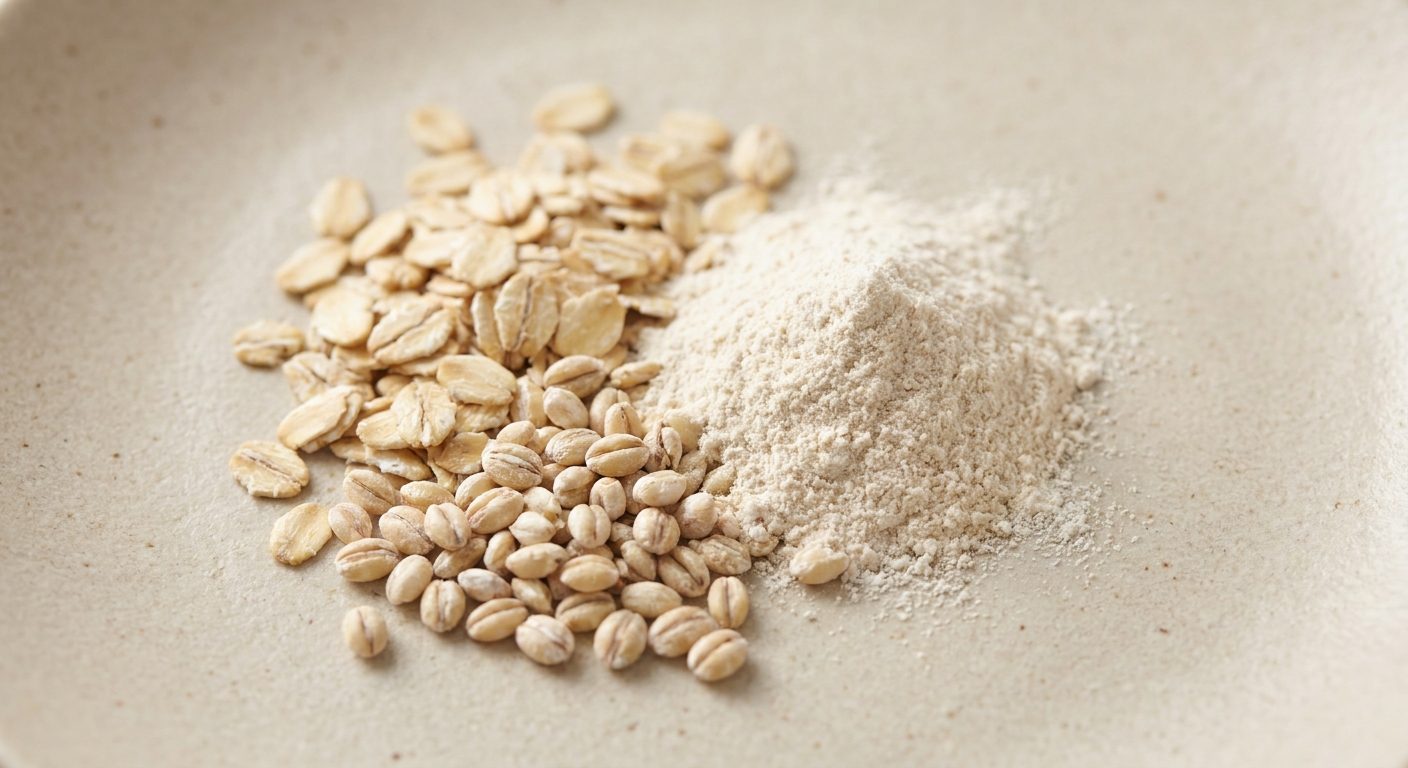
Viscous soluble fibre is the one I would actually start with, because it does more than one job. Psyllium at roughly 7–10 g/day lowers LDL and apoB across 28 randomised trials,2 and oat beta-glucan at about 3 g/day drops LDL by ~0.19 mmol/L (near 5%) across 58 trials.3 Both carry authorised EFSA and FDA heart-claims, both are cheap, and unlike a sterol they also help with regularity and fullness. See the full fibre guide for forms and dosing.
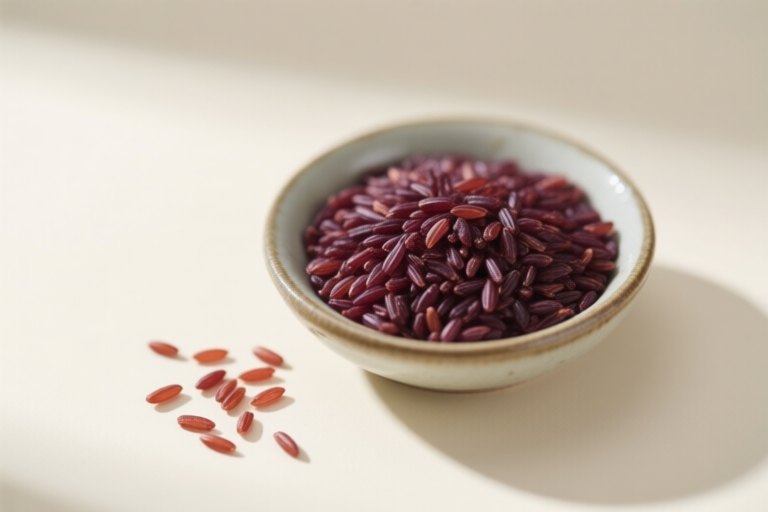
Red yeast rice is the awkward one. It lowers LDL by about 1.0 mmol/L — as much as a low-dose statin, and a meta-analysis of 20 trials confirmed the effect is essentially indistinguishable from statin therapy.4 That is not a coincidence: its active ingredient, monacolin K, is chemically identical to prescription lovastatin. So it “works” precisely by being an unlabelled statin — which is exactly why it is a problem to buy off a shelf (see the warning below).
Tier 2 — a real effect, on a different number
Right tool — know the target
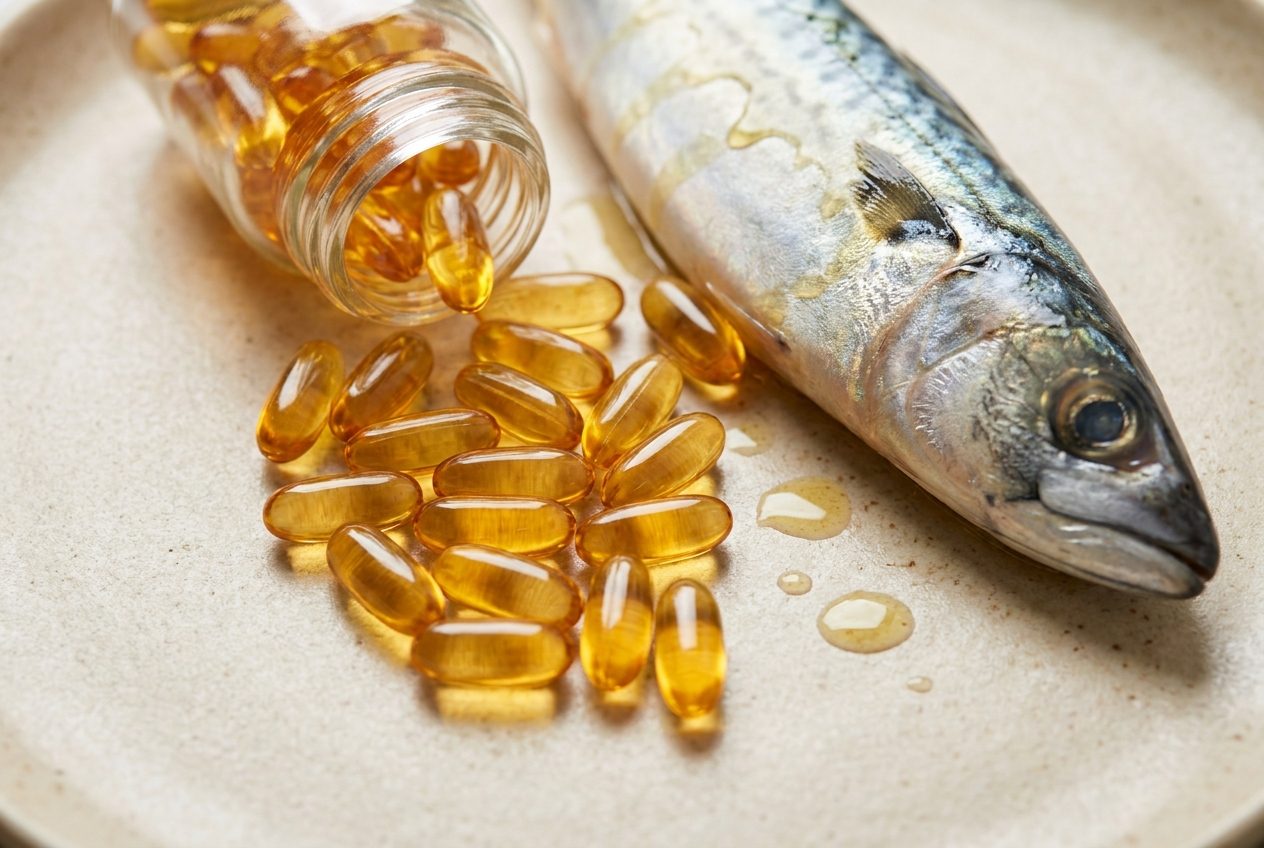
Omega-3 (EPA+DHA) is constantly sold for “cholesterol,” but it barely touches LDL — if anything EPA+DHA nudges it up. Its real job is triglycerides: at a pharmacological ~4 g/day it cuts them by 30% or more, per the American Heart Association’s advisory.5 Whether that prevents heart attacks is where the field openly split. REDUCE-IT gave high-risk statin patients 4 g of EPA-only icosapent ethyl and saw a 25% reduction in major cardiovascular events;6 STRENGTH gave a similar population 4 g of EPA+DHA against a corn-oil comparator and found nothing.7 The mineral-oil placebo used in REDUCE-IT muddies even the positive result. Practical read: a couple of oily-fish meals a week is a genuine no-brainer; a 4 g prescription dose for high triglycerides is a doctor’s decision, not a supermarket buy.
Berberine is the multitasker of the metabolic aisle. A 2018 meta-analysis of 16 randomised trials in about 2,150 people found it improves the whole lipid panel — LDL and triglycerides — and it lowers blood sugar too, which is why it turns up in metabolic stacks.8 Read it with the caveats the authors flag: the trials are small, clinically heterogeneous and mostly short, the raw compound is poorly absorbed (hence 500 mg two-to-three times a day with meals), and it is a real CYP3A4 inhibitor, so it interacts with a long list of medicines. Promising and genuinely active — not a statin substitute.
Tier 3 — popular, but the trials keep deflating
Over-sold
CoQ10 is the perennial “heart tonic,” and the first thing to say is that it does not lower cholesterol at all. It has two legitimate questions attached. On statin muscle aches, the evidence is mixed: the largest pooled analysis (12 trials) found people reported less muscle pain, weakness and cramp on CoQ10, but the objective muscle-damage marker, creatine kinase, did not move — and the trials are small and subjective.9 On heart failure, there is one genuinely encouraging trial, Q-SYMBIO, in which 300 mg/day cut cardiovascular events and deaths — but it was modest in size and has not been convincingly replicated.10 Reasonable to trial if statin aches are wrecking your day; not something to take “for your heart” if you are well.
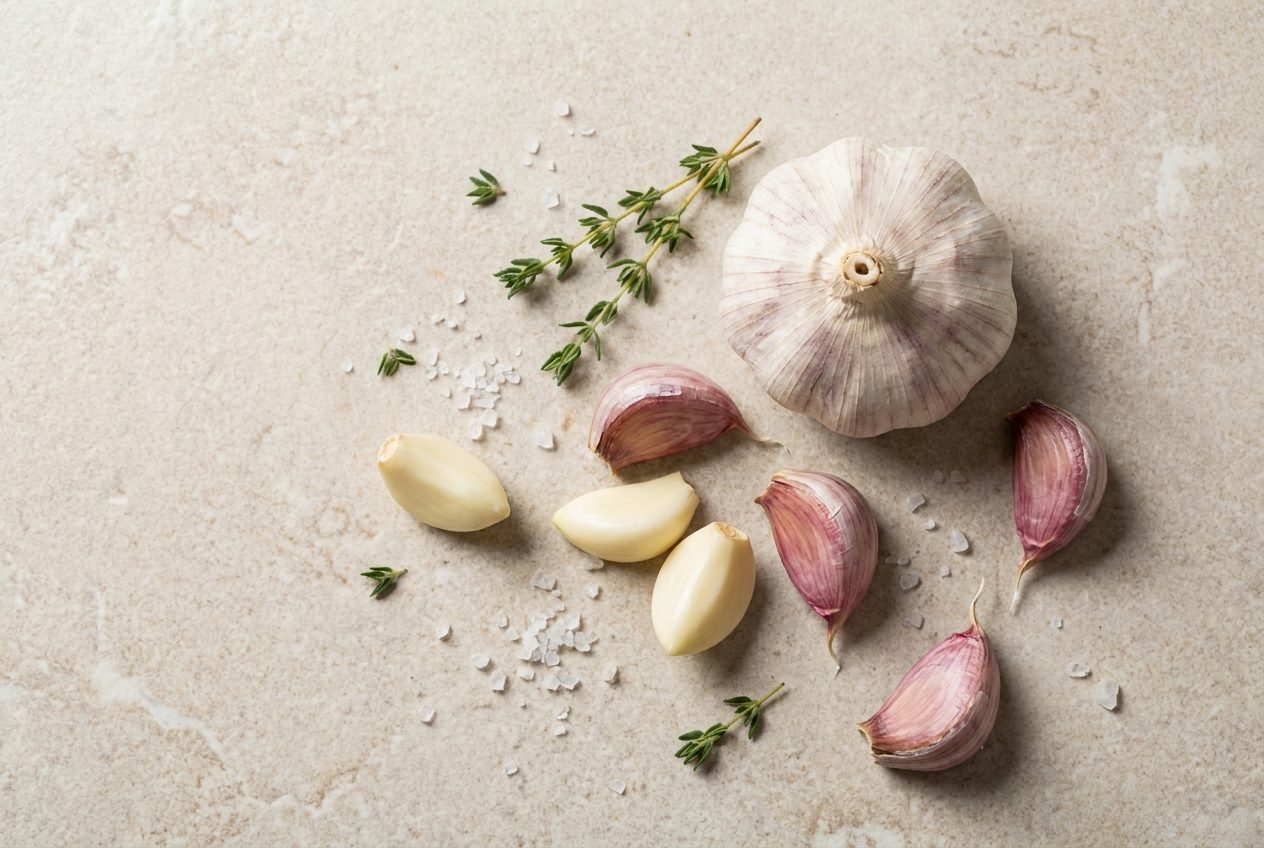
Garlic is the herbal that never quite delivers. The most comprehensive meta-analysis (39 trials) found it modestly lowers total cholesterol — about 17 mg/dL — and LDL by roughly 9 mg/dL, but only if you start above 200 mg/dL and stay on it for more than two months.11 Real, but small, and the trials disagree on which preparation matters. Eat it freely; do not count on it as your lipid plan.
The honest bottom line. If you want to move your LDL, the highest-yield levers are diet, fibre, weight and — when your risk justifies it — a statin. Among supplements, only plant sterols and viscous fibre lower LDL by a clean, well-evidenced margin, and both are worth adding. Omega-3 and berberine are real drugs in disguise aimed at triglycerides and glucose, not LDL. And red yeast rice, the one that lowers LDL the most, is the one to be most careful with — here is why.
Red yeast rice — read this before you buy. Because its effect comes from an actual statin (monacolin K), it carries statin-like risks — muscle and liver effects — plus the possibility of citrinin, a nephrotoxic mould contaminant. Worse, you cannot know your dose: an analysis of 28 US brands found monacolin K varied more than 60-fold (0.09 to 5.48 mg per 1,200 mg), and two contained none at all.12 Regulators noticed: since 2022 the EU caps monacolin K below 3 mg per daily dose, which effectively removes the useful effect — precisely because at a working dose it is a drug. If your LDL warrants a statin, take a labelled, dose-controlled statin, not a lottery ticket.
References
Adult research summary for education, not a prescription. These are food supplements, not treatments for disease.
- Ras RT, Geleijnse JM, Trautwein EA. LDL-cholesterol-lowering effect of plant sterols and stanols across different dose ranges: a meta-analysis of randomised controlled studies. Br J Nutr 2014;112(2):214–219. pubmed.ncbi.nlm.nih.gov/24780090
- Jovanovski E, Yashpal S, Komishon A, et al. Effect of psyllium (Plantago ovata) fiber on LDL cholesterol and alternative lipid targets, non-HDL cholesterol and apolipoprotein B: a systematic review and meta-analysis of randomized controlled trials. Am J Clin Nutr 2018;108(5):922–932. pubmed.ncbi.nlm.nih.gov/30239559
- Ho HVT, Sievenpiper JL, Zurbau A, et al. The effect of oat β-glucan on LDL-cholesterol, non-HDL-cholesterol and apoB for CVD risk reduction: a systematic review and meta-analysis of randomised-controlled trials. Br J Nutr 2016;116(8):1369–1382. pubmed.ncbi.nlm.nih.gov/27724985
- Gerards MC, Terlou RJ, Yu H, et al. Traditional Chinese lipid-lowering agent red yeast rice results in significant LDL reduction but safety is uncertain — a systematic review and meta-analysis. Atherosclerosis 2015;240(2):415–423. pubmed.ncbi.nlm.nih.gov/25897793
- Wilson PWF, Harris WS, Brinton EA, et al. Omega-3 Fatty Acids for the Management of Hypertriglyceridemia: A Science Advisory From the American Heart Association. Circulation 2019;140(12):e673–e691. pubmed.ncbi.nlm.nih.gov/31422671
- Bhatt DL, Steg PG, Miller M, et al. Cardiovascular Risk Reduction with Icosapent Ethyl for Hypertriglyceridemia (REDUCE-IT). N Engl J Med 2019;380(1):11–22. pubmed.ncbi.nlm.nih.gov/30415628
- Nicholls SJ, Lincoff AM, Garcia M, et al. Effect of High-Dose Omega-3 Fatty Acids vs Corn Oil on Major Adverse Cardiovascular Events in Patients at High Cardiovascular Risk: The STRENGTH Randomized Clinical Trial. JAMA 2020;324(22):2268–2280. pubmed.ncbi.nlm.nih.gov/33190147
- Ju J, Li J, Lin Q, Xu H. Efficacy and safety of berberine for dyslipidaemias: a systematic review and meta-analysis of randomized clinical trials. Phytomedicine 2018;50:25–34. pubmed.ncbi.nlm.nih.gov/30466986
- Qu H, Guo M, Chai H, et al. Effects of Coenzyme Q10 on Statin-Induced Myopathy: An Updated Meta-Analysis of Randomized Controlled Trials. J Am Heart Assoc 2018;7(19):e009835. pubmed.ncbi.nlm.nih.gov/30371340
- Mortensen SA, Rosenfeldt F, Kumar A, et al. The effect of coenzyme Q10 on morbidity and mortality in chronic heart failure: results from Q-SYMBIO, a randomized double-blind trial. JACC Heart Fail 2014;2(6):641–649. pubmed.ncbi.nlm.nih.gov/25282031
- Ried K, Toben C, Fakler P. Effect of garlic on serum lipids: an updated meta-analysis. Nutr Rev 2013;71(5):282–299. pubmed.ncbi.nlm.nih.gov/23590705
- Cohen PA, Avula B, Khan IA. Variability in strength of red yeast rice supplements purchased from mainstream retailers. Eur J Prev Cardiol 2017;24(13):1431–1434. pubmed.ncbi.nlm.nih.gov/28641460
This article summarises nutrition science for education. It is not a substitute for individual medical advice; consult a professional before starting a supplement, in pregnancy, or alongside medication — especially if you already take a statin, a blood thinner or diabetes medication.