FoodsCoffeeTeaPolyphenols
Coffee and tea are the biggest sources of polyphenol antioxidants in many people's diets, and the evidence on them is unusually large and reassuring. A landmark umbrella review found moderate coffee (3–4 cups a day) is associated with the lowest risk of death and of heart disease, along with lower rates of type 2 diabetes, liver disease and Parkinson's.1 Tea, especially green tea, is similarly linked to lower cardiovascular risk. The main things to get right are caffeine timing and what you add.
How much? Up to ~400 mg of caffeine a day (roughly 4 cups of coffee or more of tea) is safe for most adults.3 In pregnancy, keep to 200 mg (about two mugs of coffee). Drink it black or with milk — the sugar, syrups and cream are what turn a healthy drink into a dessert. Avoid caffeine within ~6–8 hours of bed.
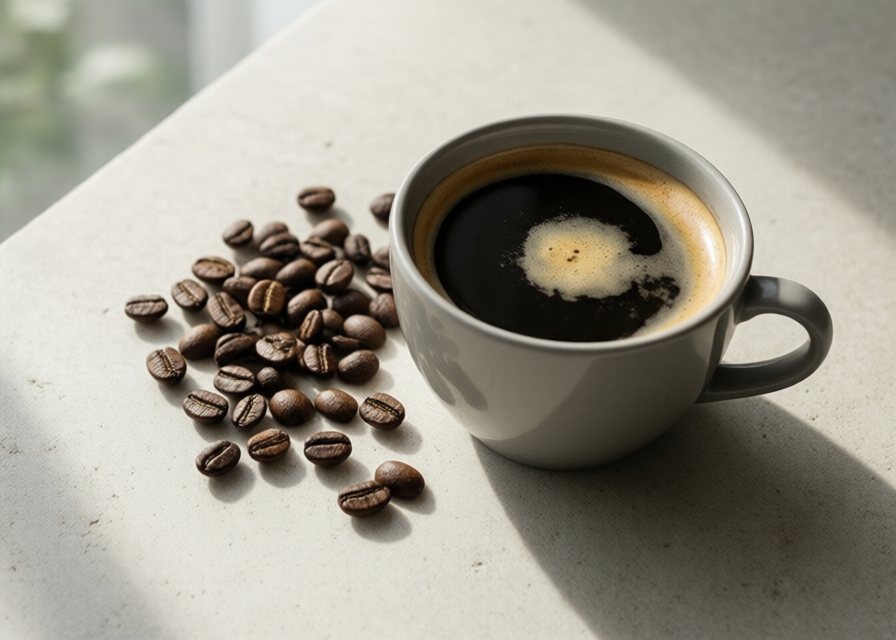
Coffee
The evidence: across huge populations, moderate coffee tracks with lower all-cause mortality, a lower risk of type 2 diabetes and liver disease, and less Parkinson's.12 The relationship is U-shaped — a few cups is the sweet spot, very high intakes lose the benefit.
Decaf counts too: much of the benefit appears with decaf as well, pointing to the polyphenols (chlorogenic acids), not just caffeine. Good news if caffeine disagrees with you.
Filtered vs unfiltered
A real distinction: unfiltered coffee — cafetière/French press, espresso, and boiled/Turkish — contains oils (cafestol and kahweol) that raise LDL cholesterol. A paper filter removes them.
Practical tip: if your cholesterol is high and you drink a lot of French-press or espresso-based coffee, switching to filtered is an easy win. For most people drinking a few cups, it's a minor factor.
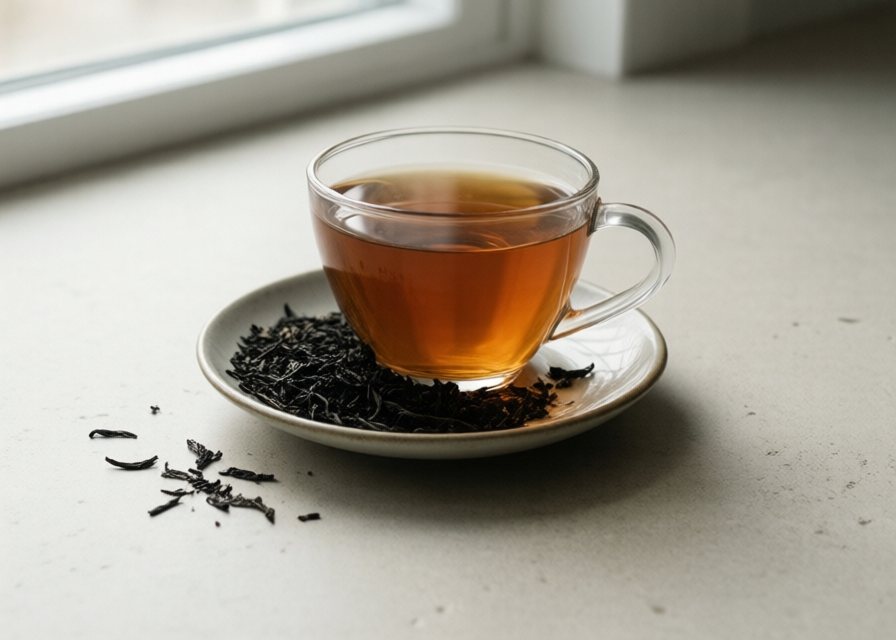
Tea (green & black)
What's in it: green tea is rich in catechins (EGCG); black tea in theaflavins (formed when the leaf oxidises). Both are flavonoid-rich, and tea also supplies L-theanine, an amino acid that promotes a calm, focused alertness and takes the edge off caffeine.
The evidence: regular tea drinking is associated with modestly lower cardiovascular risk,4 with less caffeine per cup than coffee — a gentler daily habit. Herbal "teas" (peppermint, chamomile, rooibos) are caffeine-free but have far less research behind specific health claims.
Caffeine — the honest limits
The upsides: caffeine genuinely improves alertness, mood and physical performance. The downsides are just as real: it disrupts sleep (it has a long half-life — that late-afternoon cup can still be in your system at bedtime), and can cause anxiety, jitters and palpitations in sensitive people or at high doses.
Sensible limits: ~400 mg/day for most adults, 200 mg in pregnancy, and less if you're caffeine-sensitive.3 Blood pressure rises briefly after caffeine but habitual coffee isn't linked to lasting hypertension. If you're dependent, cut down gradually to avoid withdrawal headaches.
What you add matters most
The catch: the health signal is for coffee and tea, not for large sugary lattes, flavoured syrups, whipped cream or several spoons of sugar — which can turn a near-zero-calorie drink into a dessert with hundreds of calories.
Also: the tannins in tea can reduce iron absorption, so if you're prone to iron deficiency, drink tea between meals rather than with them.
At a glance
| Drink | Stands out for | Notes |
|---|---|---|
| Coffee (filtered) | Lower mortality/diabetes signal | 3–4 cups the sweet spot |
| Coffee (unfiltered) | Same, but raises LDL | Filter if cholesterol high |
| Decaf | Polyphenols without caffeine | Keeps much of the benefit |
| Green tea | Catechins (EGCG), L-theanine | Gentle, cardio-friendly |
| Black tea | Theaflavins | Lower caffeine than coffee |
| Sugary coffee drinks | — | Dessert, not health drink |
Sensible cautions: keep caffeine to ~400 mg/day (200 mg in pregnancy), and lower if you get anxiety, palpitations or poor sleep. Choose filtered coffee if your LDL is high. Drink tea between meals if you're iron-deficient. Watch what you add. People with certain heart-rhythm or anxiety conditions may need to limit caffeine further — follow personal medical advice. The one real hazard here is not the drink: concentrated green tea extract supplements are a well-established cause of liver injury, particularly above roughly 800 mg EGCG a day and when taken on an empty stomach or during a weight-loss diet. Drink the tea; skip the pills — and stop at once and seek medical advice if you develop abdominal pain, dark urine or jaundice.
The takeaway: moderate coffee and tea are healthy habits, not guilty pleasures — a few cups a day are tied to lower mortality and disease risk, thanks largely to their polyphenols (decaf counts). Keep caffeine sensible (~400 mg/day, half that in pregnancy), filter your coffee if cholesterol is a concern, mind tea's effect on iron, and remember the real damage is usually the sugar and syrup you pour in, not the drink itself.
References
- Poole R, et al. Coffee consumption and health: umbrella review of meta-analyses of multiple health outcomes. BMJ, 2017. bmj.com
- Ding M, et al. Long-term coffee consumption and risk of cardiovascular disease: a dose-response meta-analysis of prospective cohort studies. Circulation, 2014. ahajournals.org
- EFSA Panel on Dietetic Products, Nutrition and Allergies. Scientific opinion on the safety of caffeine (400 mg/day for adults; 200 mg in pregnancy). EFSA Journal, 2015. efsa.europa.eu
- Kim Y, Je Y. Tea consumption and risk of all-cause, cardiovascular disease, and cancer mortality: a meta-analysis of thirty-eight prospective cohort data sets. Epidemiol Health, 2024;46:e2024056. pubmed.ncbi.nlm.nih.gov
This guide summarizes nutrition evidence for education. It is not a substitute for individual medical or dietary advice.