SupplementsBrain & cognitionEvidence-ranked
Almost nobody gets smarter from a pill. What a handful of these compounds can do — and only a handful — is nudge attention, working memory or mental stamina, mostly when something has knocked you off baseline: a bad night’s sleep, a stressful stretch, aging, or a diet short on the raw materials your brain runs on. That framing matters, because the biggest wins here are not exotic. They are correcting a real shortfall (B12, omega-3 at true deficiency), or exploiting a quirk like creatine’s bigger payoff in vegetarians and the sleep-deprived. Everything past that gets thinner fast, and by the time you reach lion’s mane and “brain magnesium” you are paying premium prices for mouse studies and hope.
Read this first
- Fix sleep, exercise and diet before any capsule. No nootropic competes with a full night’s sleep, and most “deficiency” wins vanish if you were already replete.
- Best-supported: creatine (under sleep loss / in vegetarians), DHA omega-3 (at deficiency and in aging), caffeine + L-theanine for acute focus, and B-vitamins only when homocysteine is high.
- Worth a trial, modest: Bacopa monnieri for memory over weeks, Rhodiola for mental fatigue.
- Over-sold: Ginkgo (a large trial found it does not prevent dementia), lion’s mane (a few tiny studies), and magnesium-L-threonate (mostly rodent data).
 Creatine
 DHA / omega-3
 Caffeine + L-theanine
 B-vitamins (homocysteine)
 Bacopa monnieri
 Rhodiola
 Ginkgo biloba
 Lion’s mane
 Magnesium-L-threonate
Tier 1 — the ones with real human data
Best supported
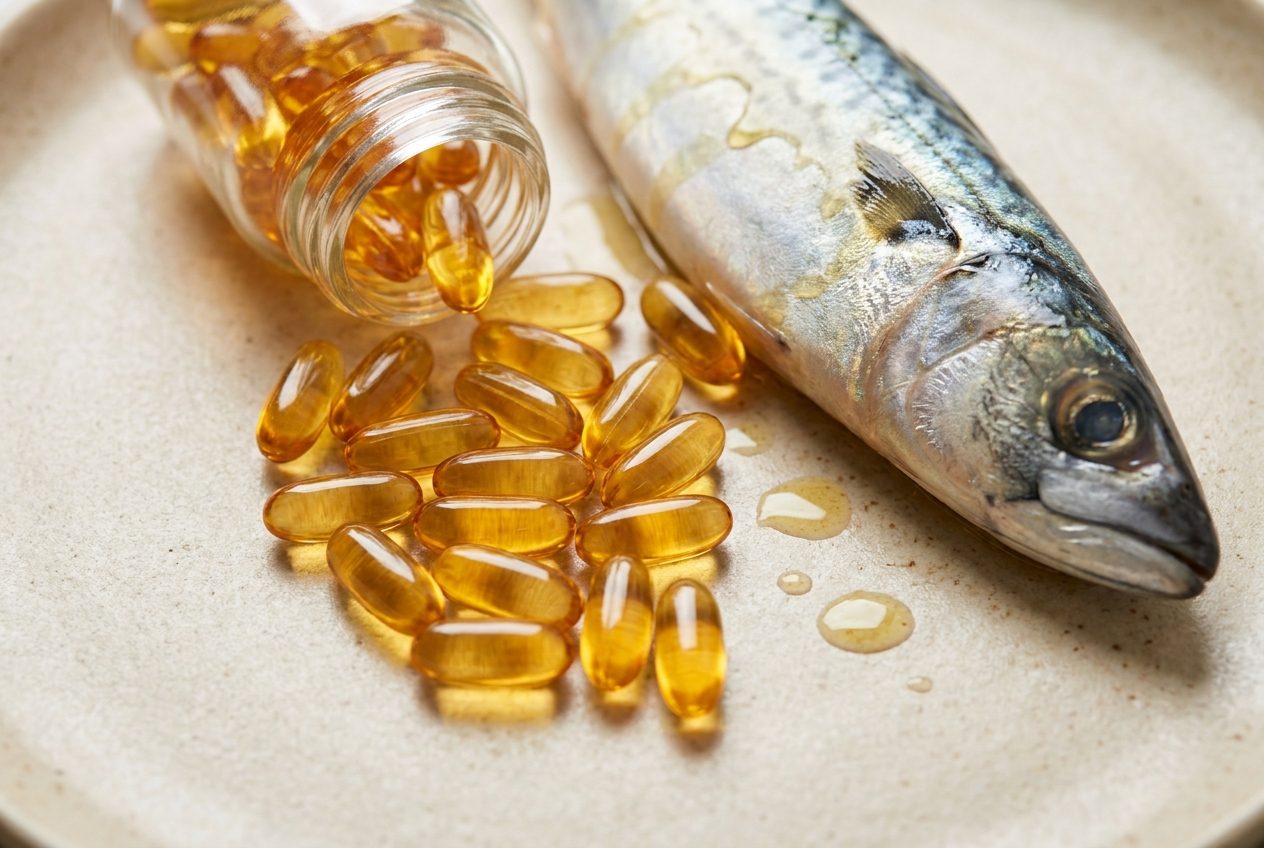
Creatine is better known for muscle, but it also buffers energy in neurons, and that shows up exactly where you would predict: when the brain is energy-stressed. A single large dose sharpened processing speed and memory during sleep deprivation, and vegetarians — who start with lower tissue creatine — get a measurable working-memory bump that meat-eaters largely do not. DHA, the long-chain omega-3 that makes up a big share of neuronal membranes, matters most at the extremes: genuine dietary shortfall and the aging brain. It is not a smart-drug for well-fed twenty-somethings. Caffeine paired with L-theanine is the most reliable acute focus tool here — the theanine takes the edge off caffeine’s jitter while attention and task-switching improve. And B6, folate and B12 earn a place only through the homocysteine door: in people with high homocysteine and early memory decline, lowering it slowed brain shrinkage. If your homocysteine is normal, this does nothing for you.
Tier 2 — modest, worth a time-boxed trial
Moderate
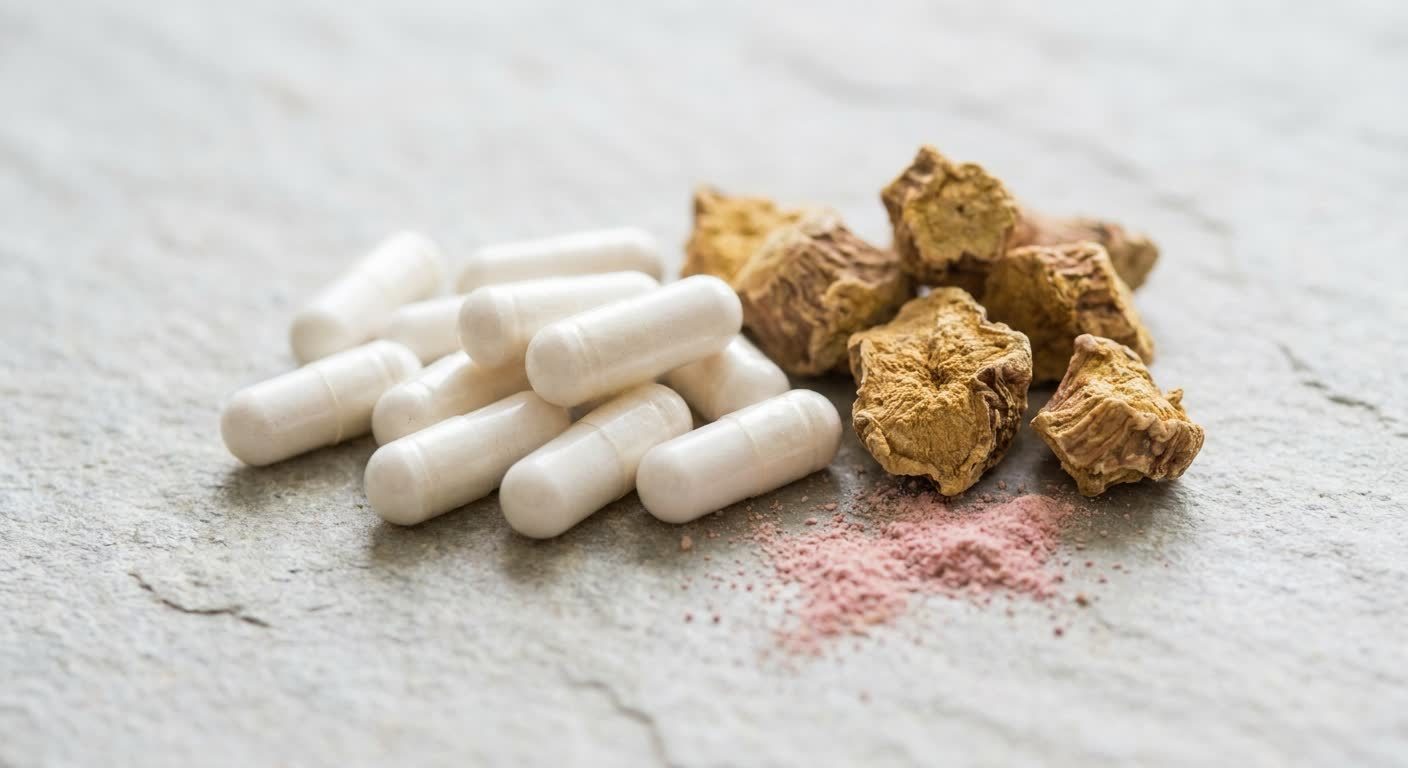
Bacopa monnieri is one of the few herbs with repeated randomized trials for memory — the effect is real but small and slow, showing up around the 12-week mark on tests of delayed recall, not as an instant hit. Rhodiola rosea has the better case for mental fatigue than for making anyone sharper: small trials in tired physicians and burned-out office workers suggest it takes the edge off, though several were industry-funded and the effect is easy to over-read. Treat both as experiments: pick a dose, run it for a set number of weeks, and stop if nothing shifts.
Tier 3 — famous, but the evidence is weak
Over-sold
Ginkgo biloba is the cautionary tale: a 3,000-plus person, six-year trial (GEM) found it did not prevent dementia or slow cognitive decline, full stop. Lion’s mane has a compelling mechanism and a couple of tiny trials, and that is genuinely all — the confident marketing is running far ahead of the science. Magnesium-L-threonate (“Magtein”) is sold as the magnesium that reaches your brain; the striking data are in rodents, the human trials are few and sponsor-linked, and it costs several times more than plain magnesium. If you are low on magnesium, correct that with a cheaper form first.
The honest bottom line. If you want a sharper day tomorrow, the highest-yield moves are not on this page: sleep, aerobic exercise, and not being hungover or under-caffeinated. The supplements above range from “useful in specific situations” to “probably a waste of money” — and none treats or prevents Alzheimer’s or any disease.



Educational content, not medical advice. These are food supplements, not treatments for dementia, ADHD or any medical condition. Sudden or progressive memory change deserves a proper medical assessment.