SupplementsBone healthJoints & osteoarthritis
“Bone and joint” gets sold as one category, but the two need almost opposite things. Bone is about keeping a mineral bank topped up and giving it a reason to stay dense. Joints — cartilage, tendons, the lining of the knee — are about comfort and cushioning, where the supplement evidence is thinner and more contested. Below, the shelf is sorted three ways: the foundations that help both, the extras with a real case for bone, and the ones people take for aching joints.
Read this first: the biggest lever isn’t a pill. For bone, the single most effective thing you can do is resistance and weight-bearing exercise — loading the skeleton is what tells it to stay dense, and it does more than any capsule on this page. Supplements only help by removing a shortfall (vitamin D, calcium, protein). For joints, keeping the muscles around the joint strong and staying at a healthy weight beats every bottle here. Treat the supplements as support, not the strategy.
The essentials
- Foundations (both): stay replete in vitamin D and magnesium, eat enough protein, and consider collagen.
- For bone: adequate calcium (from food first), vitamin K2 to direct it, and possibly boron.
- For joints: the classic glucosamine/chondroitin pairing is modest and debated; collagen, MSM, omega-3 and curcumin/boswellia each have their own small case — give any a 2–3 month trial.
Foundations — serve both bone and joint
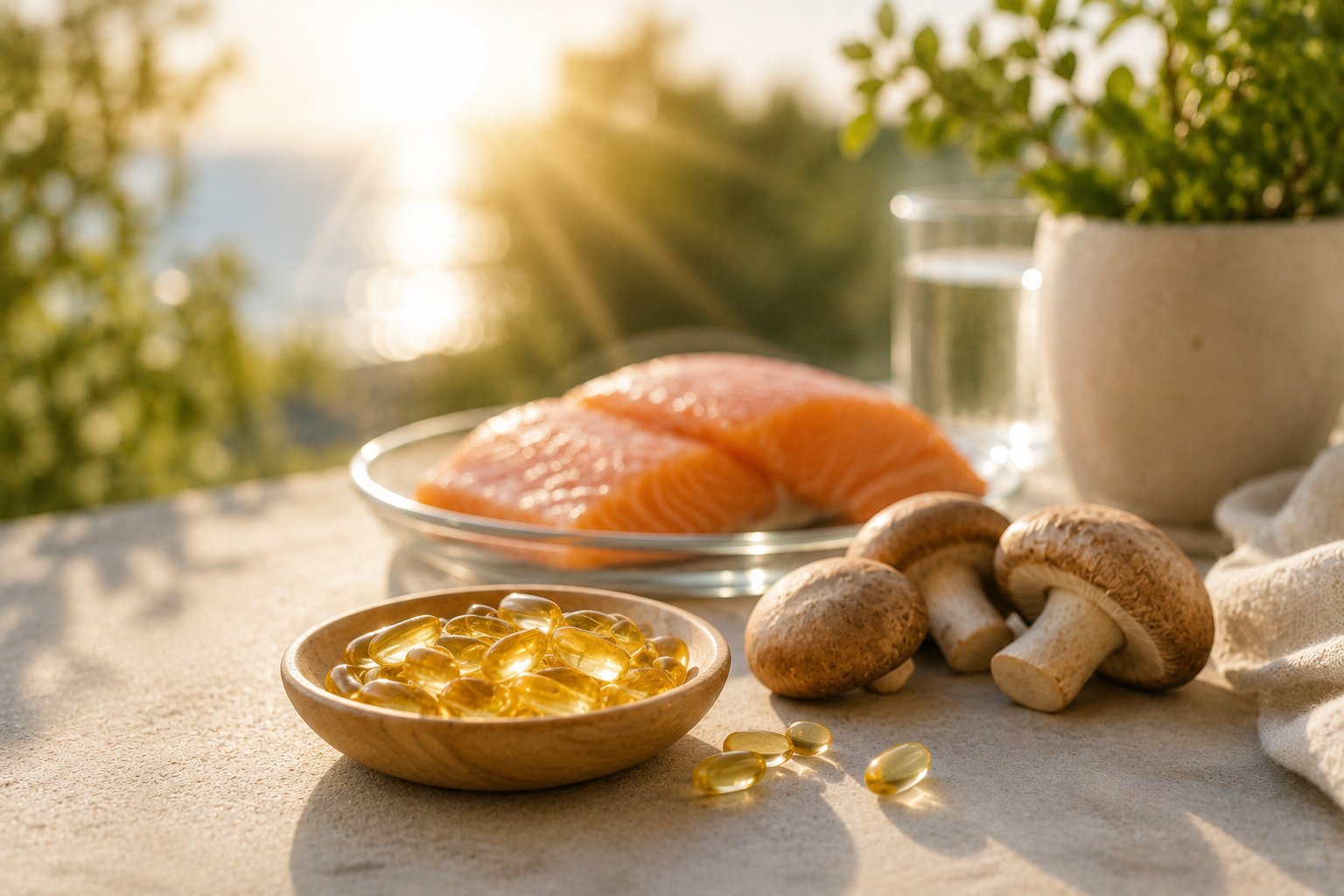
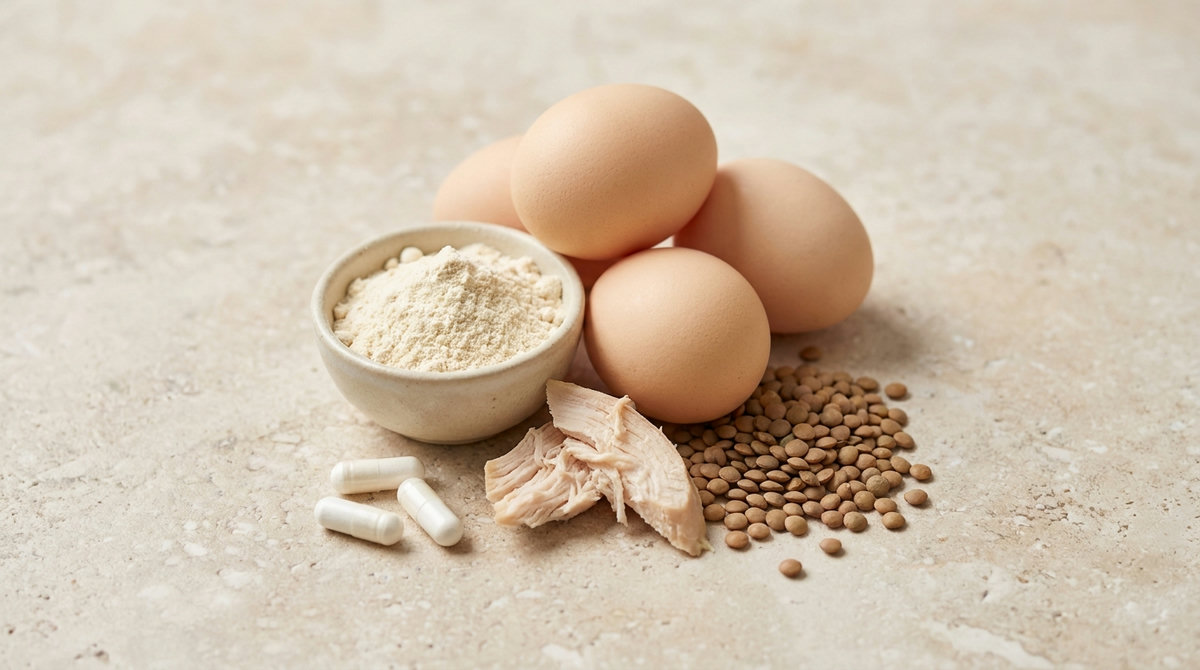
Start here regardless of which problem you are chasing. Vitamin D is needed to absorb calcium and is tied to muscle function and fall risk; magnesium is a structural part of bone and a cofactor for vitamin D metabolism; protein is roughly half of bone by volume and the raw material for the collagen matrix that mineral crystallises onto — under-eating protein is quietly bad for both bone and cartilage. Collagen peptides sit in both camps, with small trials for joint comfort and bone density alike.

More for bone
These earn their place specifically for bone density and fracture risk. Calcium is the mineral bone is built from — but get it from food first, keep supplemental doses modest, and always pair it with vitamin D; very high isolated calcium supplements carry their own cardiovascular debate. Vitamin K2 (MK-7) activates the proteins that steer calcium into bone rather than into arteries. Boron is a minor player that nudges how the body handles calcium, magnesium and vitamin D — a reasonable extra, not a cornerstone.


More for joint
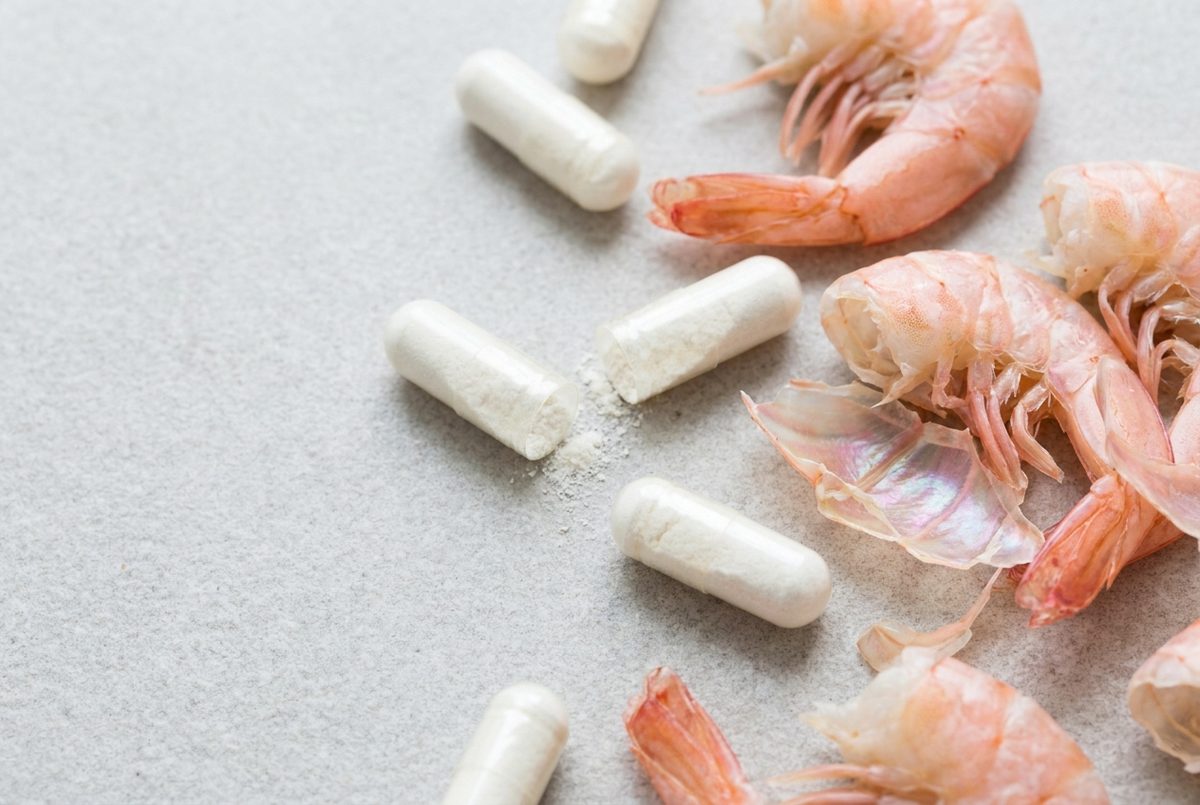
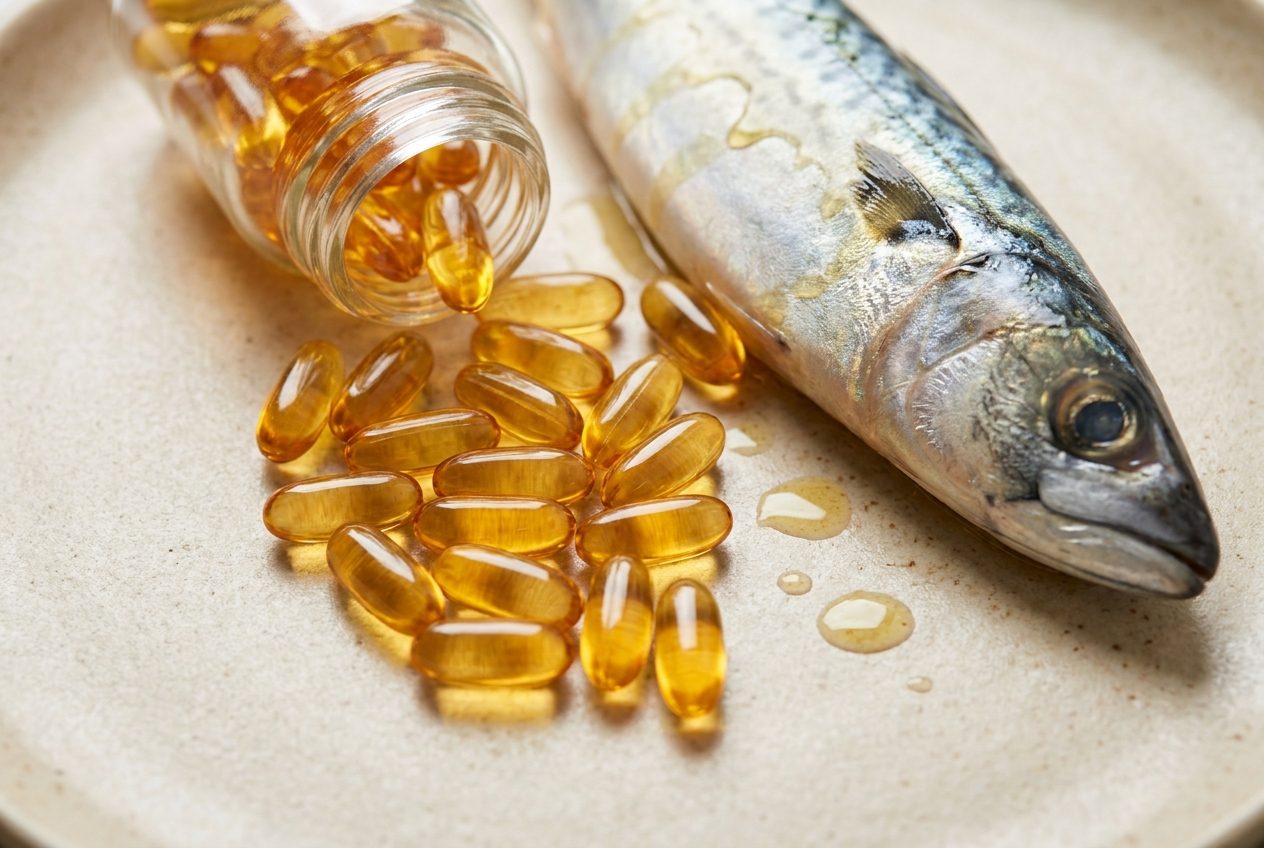
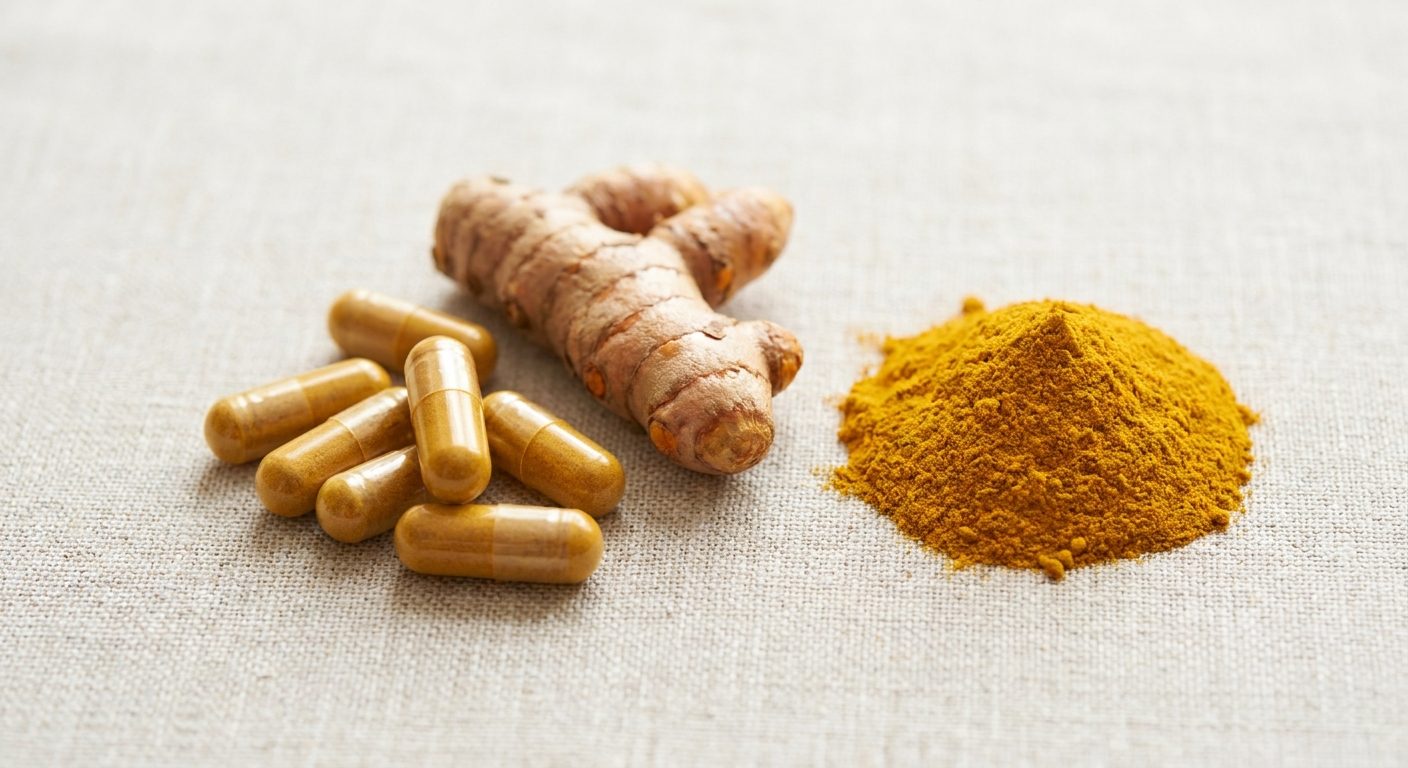
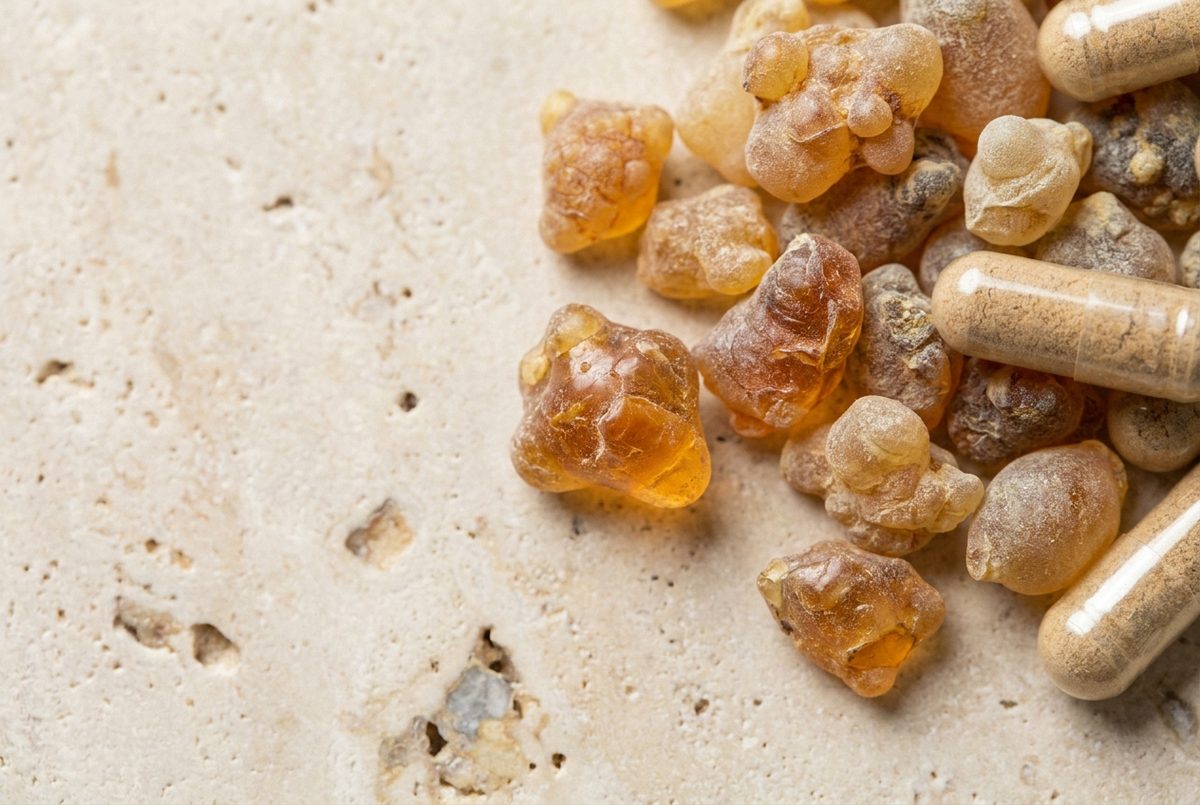
The joint aisle is dominated by glucosamine and chondroitin, usually bundled with MSM. Be honest about them: the effect is modest, the trials are mixed, and the best signal is for the glucosamine-sulfate + chondroitin combo in more severe knee osteoarthritis. Collagen peptides, omega-3, and the anti-inflammatory botanicals curcumin and boswellia each have their own small case for comfort. None rebuilds cartilage; all are low-risk. Pick one, give it 2–3 months, and judge honestly.
 UC-II (type II)
 SAM-e
SAM-e Rosehip
 ASU (avocado-soybean)
 Eggshell membrane (NEM)
 Devil’s claw
 Hyaluronic acid (oral)
 Bromelain
 Ginger
Educational content, not medical advice. These are food supplements, not treatments for osteoporosis, osteoarthritis or any disease. If you have had a fragility fracture or significant joint pain, get a proper assessment — effective medical treatments exist for both.