FoodsFruitBerriesFibre
Fruit brings fibre, vitamin C, potassium, folate and thousands of polyphenol antioxidants, all wrapped in water and relatively few calories. In large pooled studies, eating more fruit and vegetables tracks with lower rates of heart disease, stroke, cancer and early death — with much of the benefit reached around 5 portions a day.1 And despite its sugar, whole fruit is linked to a lower risk of type 2 diabetes, not higher.2
How much? At least 2 portions of fruit a day (a portion ≈ an apple, a banana, or a handful of berries), as part of your 5-a-day — with vegetables making up the larger share. Whole fruit beats juice; berries are the lowest-sugar, highest-polyphenol pick if you're watching blood sugar.
The "fruit sugar" myth
The confusion: yes, fruit contains sugar (fructose and glucose). But in whole fruit that sugar comes bound up with fibre, water and polyphenols, which slow its absorption — a world away from the free sugars in soft drinks and sweets.
What the data shows: in three large cohorts, people eating more whole fruit had a lower risk of type 2 diabetes — especially with blueberries, grapes and apples — while fruit juice raised the risk.2 So it's not the sugar molecule that matters, it's the package it arrives in. For nearly everyone, whole fruit is a food to eat more of, not less.

Berries
Why they lead: blueberries, strawberries, raspberries and blackberries are the lowest-sugar, highest-antioxidant fruits, rich in anthocyanins (the purple-red polyphenols). Higher anthocyanin intake is linked to lower blood pressure and cardiovascular risk, and small trials show benefits for blood-vessel function.3
Good for: a daily handful (fresh or frozen — frozen is just as nutritious and cheaper) on yoghurt or porridge. The best fruit choice for anyone managing blood sugar.
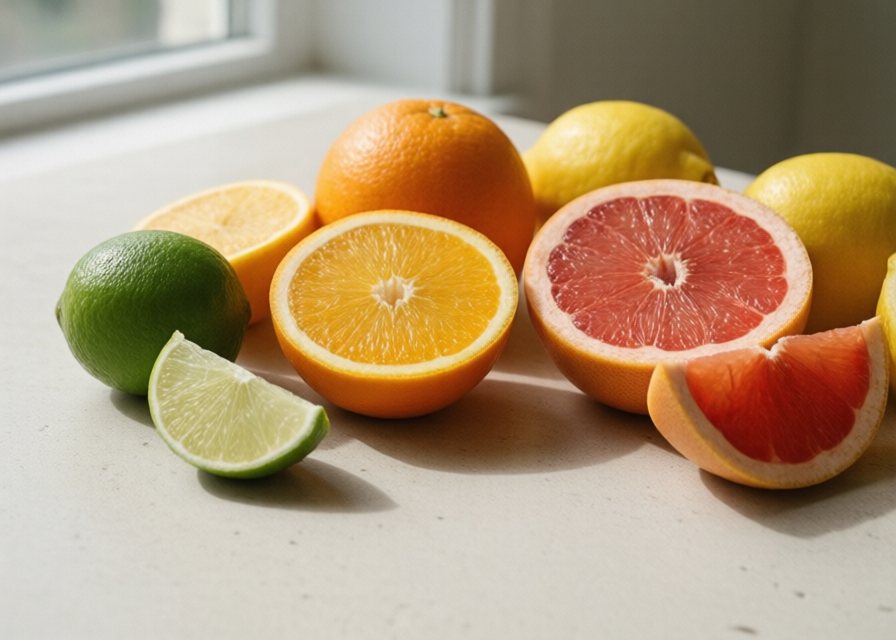
Citrus
What they give: oranges, grapefruit, lemons, limes and mandarins are classic vitamin C sources, with folate, potassium and citrus flavonoids. The pith and segments carry the fibre — so eat the whole fruit rather than only juicing it.
Note: grapefruit interacts with a number of medicines (statins, some blood-pressure and other drugs) — if you take medication, check whether grapefruit is a problem for you.
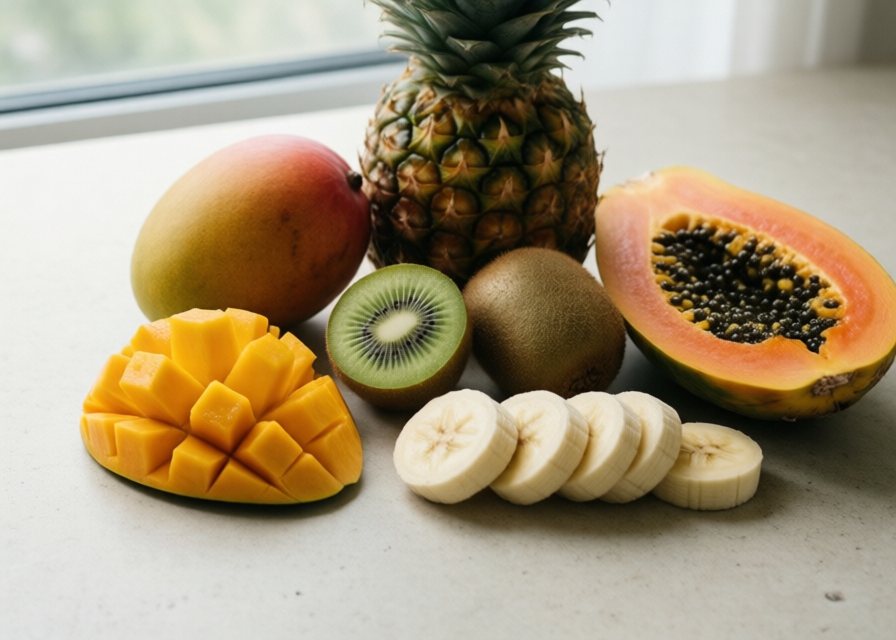
Tropical & other fruit
The range: bananas (potassium, resistant starch when less ripe), mango and pineapple (vitamin C, enzymes), kiwi (more vitamin C than an orange, gentle on digestion), apples and pears (fibre, quercetin), grapes and stone fruit. These run a bit higher in sugar than berries but remain nutritious whole foods.
Practical tip: variety wins — different fruits bring different polyphenols and vitamins, so mix colours across the week rather than eating the same one daily.
Juice, dried fruit & smoothies
Fruit juice: squeezing fruit removes the fibre and releases the sugars, so juice behaves more like a sugary drink and is linked to higher diabetes risk.2 Keep it to a small glass (150 ml) a day at most, ideally with a meal.
Dried fruit: nutritious but concentrated sugar and calories, and sticky (bad for teeth) — a small handful, not a bowlful.
Smoothies: better than juice because they keep the fibre, but blending still makes the sugars faster-absorbed — include vegetables, yoghurt or seeds and don't treat a large fruit smoothie as "free."
At a glance
| Type | Stands out for | Best for |
|---|---|---|
| Berries | Anthocyanins, low sugar | Everyday, blood-sugar friendly |
| Citrus | Vitamin C, flavonoids | Immune & skin support |
| Apples/pears | Fibre (pectin), quercetin | Filling, portable |
| Bananas | Potassium, energy | Pre-exercise, quick fuel |
| Tropical (mango, pineapple) | Vitamin C, variety | Enjoy whole, mind portions |
| Fruit juice | — | Limit to 150 ml/day |
Sensible cautions: grapefruit interacts with several common medicines. People managing diabetes can absolutely eat whole fruit — favour berries and lower-sugar fruit and pair with protein or fat to blunt the rise, but avoid juice. Dried fruit and juice are the only fruit forms worth limiting for teeth and blood sugar.
The takeaway: whole fruit is a nutrition win — fibre, vitamins and polyphenols with a strong link to lower disease risk, and the "it's just sugar" fear is wrong for whole fruit, which actually associates with lower diabetes risk. Eat at least 2 portions a day, lean on berries if you're watching blood sugar, eat a rainbow across the week, and keep juice and dried fruit to small amounts.
References
- Aune D, et al. Fruit and vegetable intake and the risk of cardiovascular disease, total cancer and all-cause mortality: a systematic review and dose-response meta-analysis. Int J Epidemiol, 2017. pubmed.ncbi.nlm.nih.gov
- Muraki I, et al. Fruit consumption and risk of type 2 diabetes: results from three prospective longitudinal cohort studies. BMJ, 2013. bmj.com
- Cassidy A, et al. Habitual intake of anthocyanins and flavones and cardiovascular risk. Am J Clin Nutr / Circulation, 2013. pubmed.ncbi.nlm.nih.gov
This guide summarizes nutrition evidence for education. It is not a substitute for individual medical or dietary advice.