SupplementsMoodAnxiety & stressEvidence-ranked
Low mood, flat weeks, a nervous system stuck in second gear — the supplement industry has an answer for all of it, and most of those answers are hope in a capsule. But not all. A small handful of these have real randomised-trial data behind them, a couple genuinely rival low-dose antidepressants in mild cases, and one of them interacts with so many medicines that it belongs in the pharmacy conversation, not the impulse-buy basket. What follows is the mood shelf sorted honestly into three groups: the ones with real efficacy, the ones that help in specific situations, and the popular tail whose evidence keeps coming out thin. First, though, the part nobody selling supplements wants to lead with.
Read this first
- Movement beats every supplement on this page. Regular aerobic exercise is the single most evidence-backed thing you can do for low mood — an umbrella review of 97 pooled reviews found it works, and works fast.1 Nothing below comes close.
- Sleep, daylight and other people do more than any capsule. Getting outdoors in real daylight, protecting your sleep, and staying socially connected shift mood by margins no pill here matches. Fix these first.
- If you take an antidepressant or any psychiatric medication, talk to your doctor before adding anything. The interactions are real — St John’s Wort combined with an SSRI can cause serotonin syndrome, a genuine medical emergency, and it quietly weakens the pill, warfarin, HIV drugs and more.
- These are adjuncts, not treatments. Nothing here treats, cures or prevents clinical depression or an anxiety disorder. If low mood is persistent, severe, or comes with hopelessness or thoughts of self-harm, that is a reason to see a doctor — not to browse a supplement shelf.
Tier 1 — the ones with real efficacy
Well supported
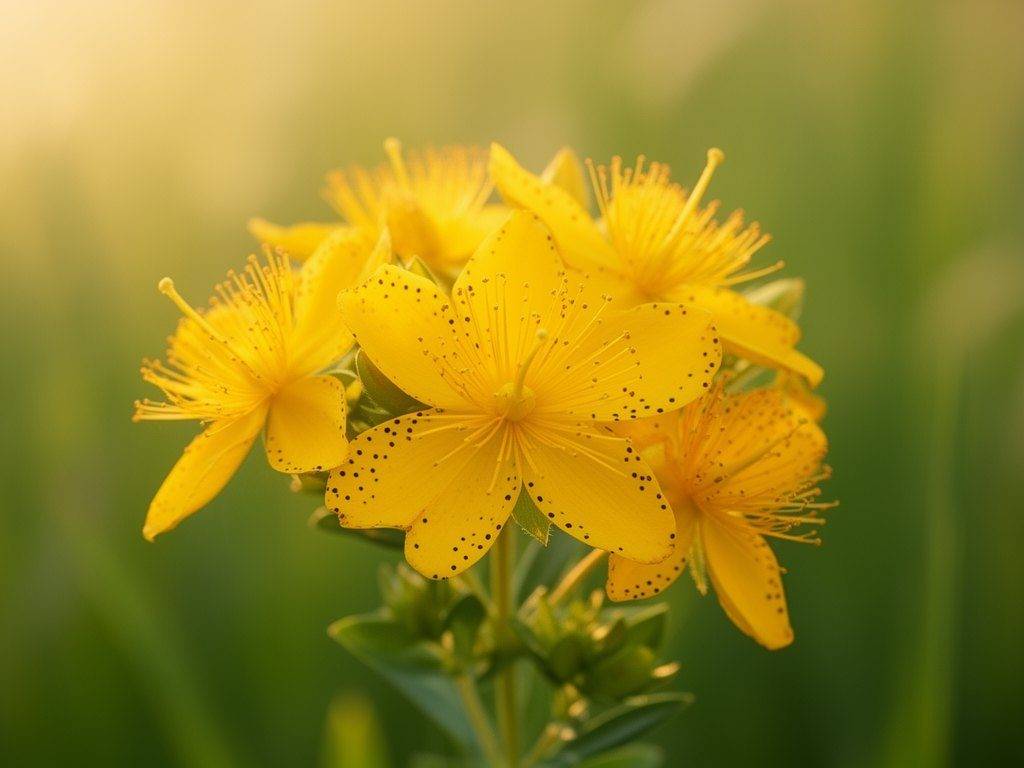
St John’s Wort (Hypericum perforatum) is the one herbal that has genuinely earned its place, and also the one that demands the most caution. The Cochrane review of 29 trials in over 5,000 patients found it superior to placebo and about as effective as standard antidepressants for mild-to-moderate depression — with notably fewer people dropping out for side effects.2 That is a real result, not marketing. But read the two hard limits before you reach for it. First, the evidence is for mild-to-moderate low mood only — it is not a treatment for severe depression, and self-treating serious illness with a herb is how people get hurt. Second, and this is the big one: St John’s Wort is a powerful inducer of the CYP3A4 enzyme and the P-glycoprotein transporter, so it accelerates the breakdown of a long list of drugs — it can make the contraceptive pill fail, blunt warfarin, ciclosporin, HIV protease inhibitors and some cancer drugs, and stacked on top of an SSRI or triptan it can tip you into serotonin syndrome.3 If you take any prescription medicine, this is a conversation with your doctor or pharmacist, full stop.
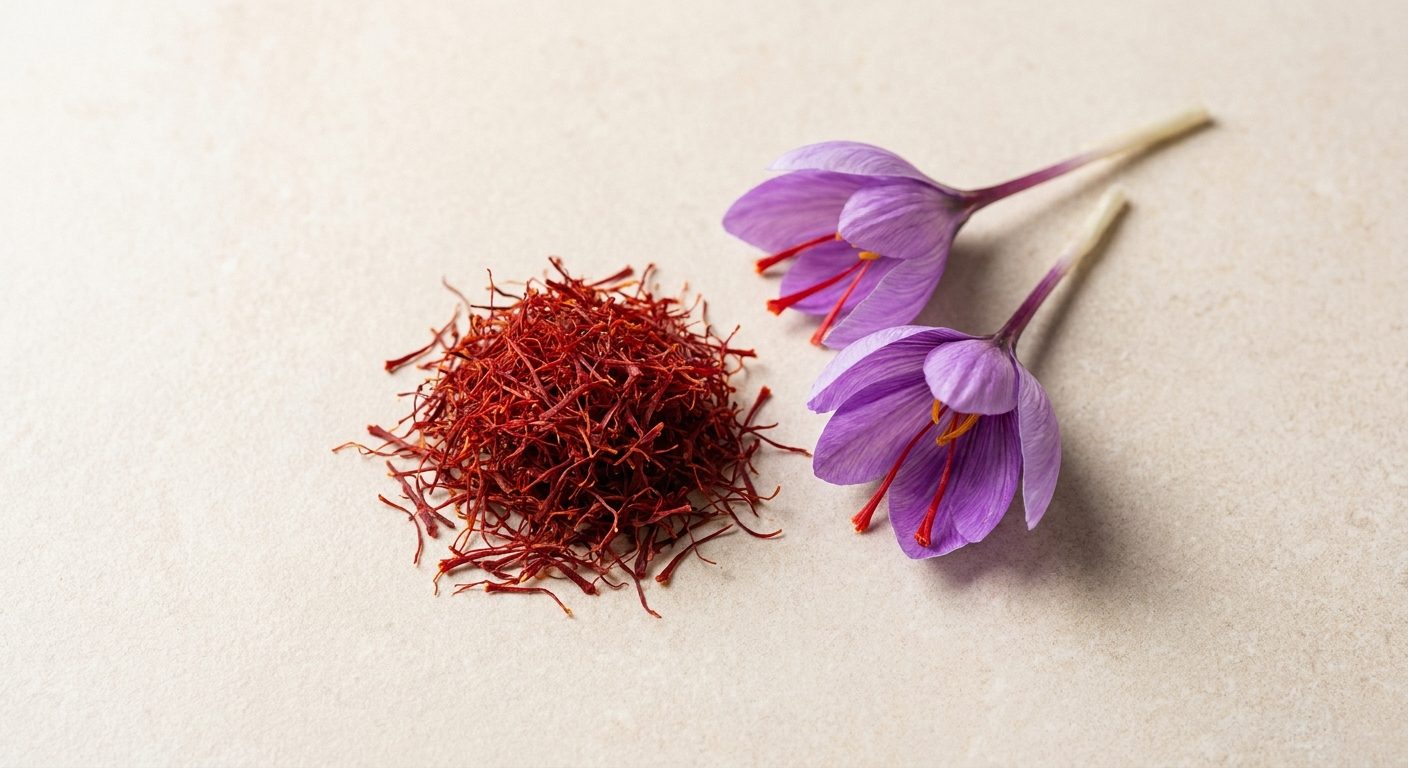
Saffron (Crocus sativus) is the pleasant surprise of this list. The threads of the world’s most expensive spice have accumulated a genuinely respectable trial record: a meta-analysis of randomised controlled trials found a large effect on depressive symptoms versus placebo, and in head-to-head trials saffron performed on a par with antidepressants such as fluoxetine and imipramine in mild-to-moderate depression.4 A later systematic review reached the same read — consistent antidepressant and anti-anxiety signals across the studies, at the standard research dose of 30 mg/day.5 The honest caveats: the trials are mostly small, many come from a single research group in Iran, and the follow-up is short. But as underrated mood supplements go, this is the most interesting one on the shelf — low-risk, well tolerated, and worth an 6–8 week trial in the right person.
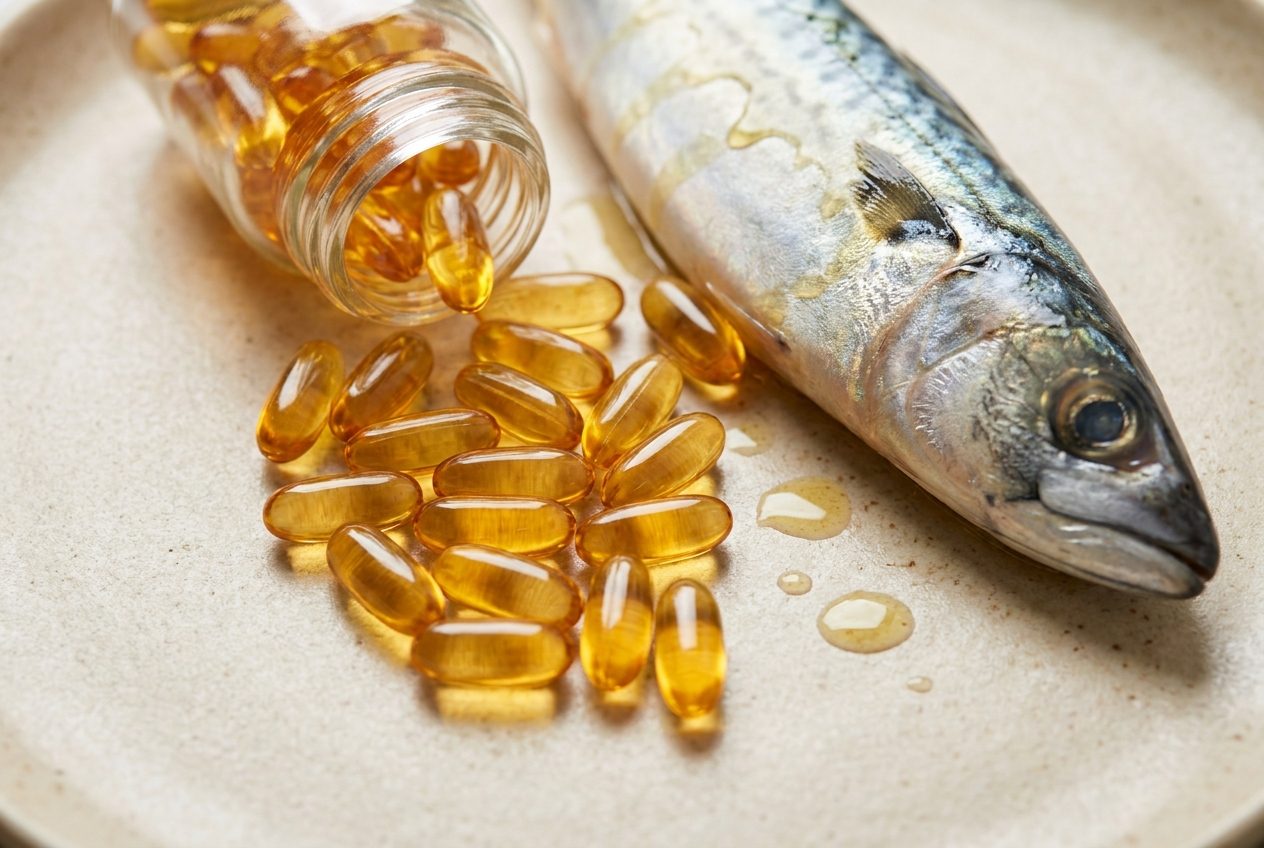
EPA-dominant omega-3 is where people get the fish-oil story backwards. For mood, the fraction that matters is EPA, not DHA — the reverse of the brain & cognition picture, where DHA is the structural fat the brain is built from. A comprehensive meta-analysis of trials in depression found a clear benefit, and dug out the reason the literature looks so noisy: it was the EPA-predominant formulations that carried the effect, and omega-3 worked best as an adjunct alongside treatment rather than as a solo therapy.6 So the practical rule is to look past the total “omega-3” number on the label and check the EPA:DHA ratio — a supplement with substantially more EPA than DHA is the one with mood data behind it. See the full fish oil guide for forms, doses and how to read a label.
Tier 2 — a real effect, in the right situation
Worth a look — know the target
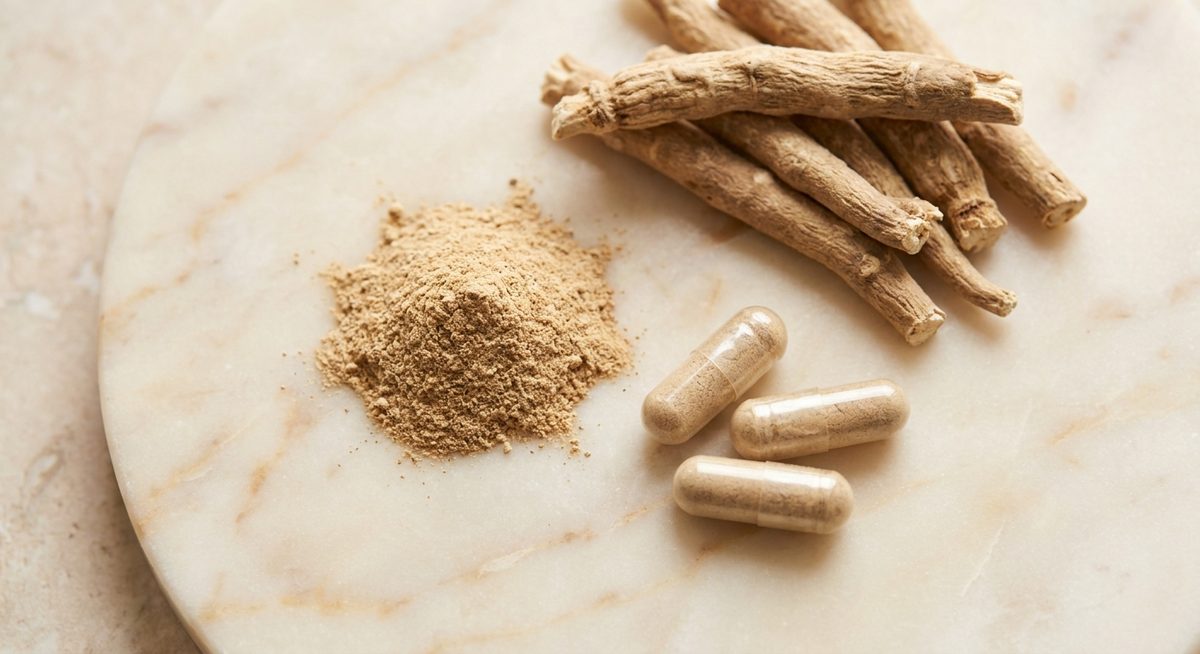
Ashwagandha (Withania somnifera) is a stress and anxiety tool more than a mood one — and on that narrower claim the data is decent. In a randomised, double-blind, placebo-controlled trial, a standardised root extract at 300 mg twice daily cut perceived-stress scores substantially and lowered serum cortisol over 60 days.7 Trials on the branded KSM-66 and Sensoril extracts point the same way for stress and anxiety. What it is not is a proven antidepressant — the depression evidence is much thinner, so treat this as a way to take the edge off a wound-up, over-cortisoled state rather than a lift for genuine low mood. More on the class in our adaptogens guide.
Magnesium earns its spot honestly, in the same “fix a shortfall” way it does for blood sugar and sleep. Low magnesium status tracks with anxiety and depression, and in an open-label randomised trial, 248 mg of elemental magnesium a day produced a clinically meaningful drop in both depression (PHQ-9) and anxiety (GAD-7) scores within a fortnight — and it worked regardless of starting level, though the mechanism most plausibly runs through correcting a deficiency.8 It is cheap, safe and easy to trial. Glycinate or citrate are the better-absorbed, gentler-on-the-gut forms; the oxide sold cheapest is the one most likely to just loosen your bowels. Check your intake first — the full magnesium guide has the detail.
L-theanine, on its own, is the quiet one for anxiety. This is a different use from the caffeine + L-theanine stack people take for focus — here it stands alone. At 200 mg/day over four weeks in healthy adults it lowered anxiety and depression-scale scores and improved sleep quality, all without sedation.9 That “calm but not drowsy” profile is exactly what makes it useful for stress and the racing-mind kind of sleep-onset anxiety, and it stacks cleanly with the wind-down routine on our sleep page. The trials are in non-clinical stress, not diagnosed anxiety disorders — keep the expectation there.
Tier 3 — popular, but the evidence is mixed
Mixed — manage expectations
5-HTP is the intuitive one — a direct precursor your body converts into serotonin, so surely it lifts mood? The trial record is frustratingly thin. The Cochrane review of 5-HTP and tryptophan for depression found only a couple of small studies of adequate quality; they hinted at benefit over placebo, but the authors concluded the evidence was too weak to recommend it as a treatment.10 That leaves a real safety flag doing more work than the efficacy data: because 5-HTP raises serotonin, combining it with any serotonergic drug — an SSRI, SNRI, MAOI, tramadol or triptan — risks serotonin syndrome. If you are on anything for mood, migraine or pain, 5-HTP is not a casual add-on.
Vitamin D has one of the strongest correlations in this whole field and one of the shakiest causal stories. Low vitamin D tracks closely with depression, and a systematic review and meta-analysis found supplementation nudged negative mood in a favourable direction — but the effect was modest and the causal question stays genuinely open.11 Here is the local angle, though: at Scandinavian and northern latitudes, winter vitamin D deficiency is not a rarity, it is close to the default from October to March. So for Swedish and other northern readers, correcting a real, measurable winter deficiency is sensible on its own terms — and any mood benefit is a bonus rather than the reason to do it. Test if you can; supplement the shortfall either way.
Probiotics and the gut–brain axis make the most interesting mechanistic story on the page — the vagus nerve, microbial metabolites, inflammation — and the early human data is genuinely promising: a meta-analysis of randomised trials found a small but significant reduction in depression scores.12 The problem is that “probiotic” is not one thing. There is no agreed strain, dose or duration for mood, the trials use wildly different products, and the effect sizes are small. Fascinating field, worth watching, too soon to point at a specific bottle and say “take this.”
Three things that live on other pages. B vitamins (folate, B12, B6) matter for mood through methylation — they are cofactors in building serotonin and dopamine, a different angle from the homocysteine-and-memory story on the brain & cognition hub; low folate in particular tracks with poorer antidepressant response. Rhodiola shows up on the cognition page for mental fatigue, but its stress-and-mild-anxiety signal belongs here too — modest, but real for burnout-type exhaustion. And to say it once more, because the label makes it easy to get wrong: for mood it is EPA, for cognition it is DHA.
The honest bottom line. If your mood is low, the highest-yield moves are movement, sleep, daylight, connection — and professional help if it is more than a rough patch. Among supplements, St John’s Wort and saffron have the cleanest efficacy for mild-to-moderate low mood, and EPA-dominant omega-3 is a reasonable adjunct. Ashwagandha, magnesium and L-theanine are better thought of as stress-and-anxiety tools. 5-HTP, vitamin D and probiotics are worth a look only in the right person, and vitamin D mostly if you are genuinely deficient — which, this far north, you may well be.
Before you combine anything with medication — read this. St John’s Wort is the serious one: it induces CYP3A4 and can make the contraceptive pill, warfarin, ciclosporin, HIV and cancer drugs stop working properly, and combined with an SSRI, SNRI, MAOI or triptan it can cause serotonin syndrome. 5-HTP carries the same serotonin-syndrome risk with those same drugs. If you already take an antidepressant or any other psychiatric, cardiac or hormonal medicine, do not start St John’s Wort or 5-HTP — and never stop a prescribed medicine — without talking to the clinician who manages it first.
References
Adult research summary for education, not a prescription. These are food supplements, not treatments for depression, anxiety or any clinical diagnosis.
- Singh B, Olds T, Curtis R, et al. Effectiveness of physical activity interventions for improving depression, anxiety and distress: an overview of systematic reviews. Br J Sports Med 2023;57(18):1203–1209. pubmed.ncbi.nlm.nih.gov/36796860
- Linde K, Berner MM, Kriston L. St John’s wort for major depression. Cochrane Database Syst Rev 2008;(4):CD000448. pubmed.ncbi.nlm.nih.gov/18843608
- Borrelli F, Izzo AA. Herb-drug interactions with St John’s wort (Hypericum perforatum): an update on clinical observations. AAPS J 2009;11(4):710–727. pubmed.ncbi.nlm.nih.gov/19859815
- Hausenblas HA, Saha D, Dubyak PJ, Anton SD. Saffron (Crocus sativus L.) and major depressive disorder: a meta-analysis of randomized clinical trials. J Integr Med 2013;11(6):377–383. pubmed.ncbi.nlm.nih.gov/24299602
- Lopresti AL, Drummond PD. Saffron (Crocus sativus) for depression: a systematic review of clinical studies and examination of underlying antidepressant mechanisms of action. Hum Psychopharmacol 2014;29(6):517–527. pubmed.ncbi.nlm.nih.gov/25384672
- Grosso G, Pajak A, Marventano S, et al. Role of omega-3 fatty acids in the treatment of depressive disorders: a comprehensive meta-analysis of randomized clinical trials. PLoS One 2014;9(5):e96905. pubmed.ncbi.nlm.nih.gov/24805797
- Chandrasekhar K, Kapoor J, Anishetty S. A prospective, randomized double-blind, placebo-controlled study of safety and efficacy of a high-concentration full-spectrum extract of ashwagandha root in reducing stress and anxiety in adults. Indian J Psychol Med 2012;34(3):255–262. pubmed.ncbi.nlm.nih.gov/23439798
- Tarleton EK, Littenberg B, MacLean CD, Kennedy AG, Daley C. Role of magnesium supplementation in the treatment of depression: A randomized clinical trial. PLoS One 2017;12(6):e0180067. pubmed.ncbi.nlm.nih.gov/28654669
- Hidese S, Ogawa S, Ota M, et al. Effects of L-Theanine Administration on Stress-Related Symptoms and Cognitive Functions in Healthy Adults: A Randomized Controlled Trial. Nutrients 2019;11(10):2362. pubmed.ncbi.nlm.nih.gov/31623400
- Shaw K, Turner J, Del Mar C. Tryptophan and 5-hydroxytryptophan for depression. Cochrane Database Syst Rev 2002;(1):CD003198. pubmed.ncbi.nlm.nih.gov/11869656
- Cheng YC, Huang YC, Huang WL. The effect of vitamin D supplement on negative emotions: A systematic review and meta-analysis. Depress Anxiety 2020;37(6):549–564. pubmed.ncbi.nlm.nih.gov/32365423
- Huang R, Wang K, Hu J. Effect of Probiotics on Depression: A Systematic Review and Meta-Analysis of Randomized Controlled Trials. Nutrients 2016;8(8):483. pubmed.ncbi.nlm.nih.gov/27509521
This article summarises nutrition science for education. It is not a substitute for individual medical advice; consult a professional before starting a supplement, in pregnancy, or alongside medication — especially any antidepressant, other psychiatric medicine, the contraceptive pill or a blood thinner. If you are struggling, please talk to your doctor.