FoodsCocoaFlavanolsHeart
Cocoa is one of the richest dietary sources of flavanols — plant compounds (chiefly epicatechin) that help blood vessels relax and widen. In controlled trials, cocoa flavanols improve the function of the artery lining and modestly lower blood pressure,1 and the large COSMOS trial found a cocoa-flavanol supplement reduced deaths from cardiovascular disease.2 The problem is that ordinary chocolate is a sugar-and-fat delivery vehicle that has usually lost most of those flavanols in processing.
How much? If you enjoy it, a couple of squares (≈10–20 g) of ≥70–85% dark chocolate a day is a sensible treat with some flavanol content. For the actual heart benefit at the doses used in trials, unsweetened natural (non-alkalised) cocoa powder in milk or a smoothie is the better vehicle — same flavanols, none of the sugar. Chocolate is not a health food you should eat more of; it's a treat that can be chosen well.
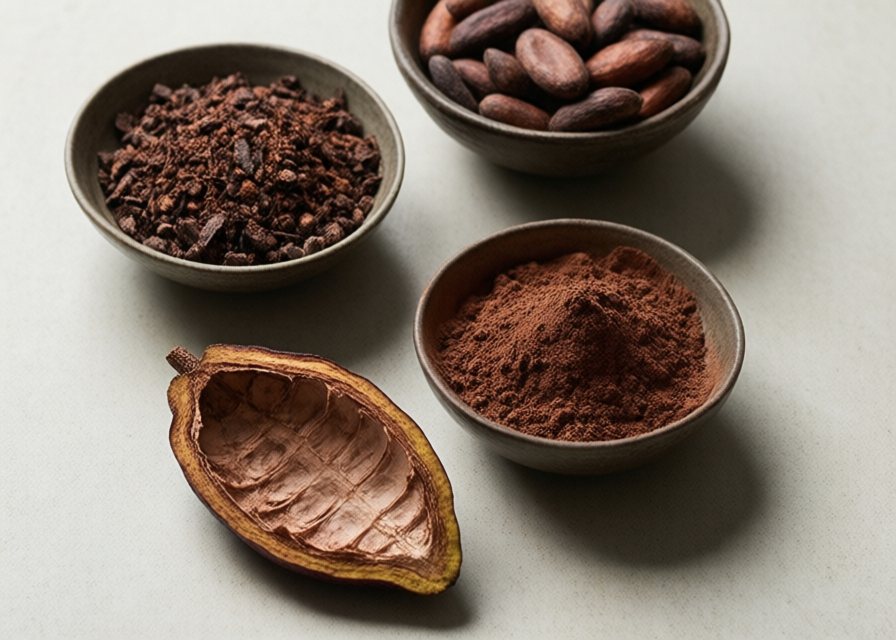
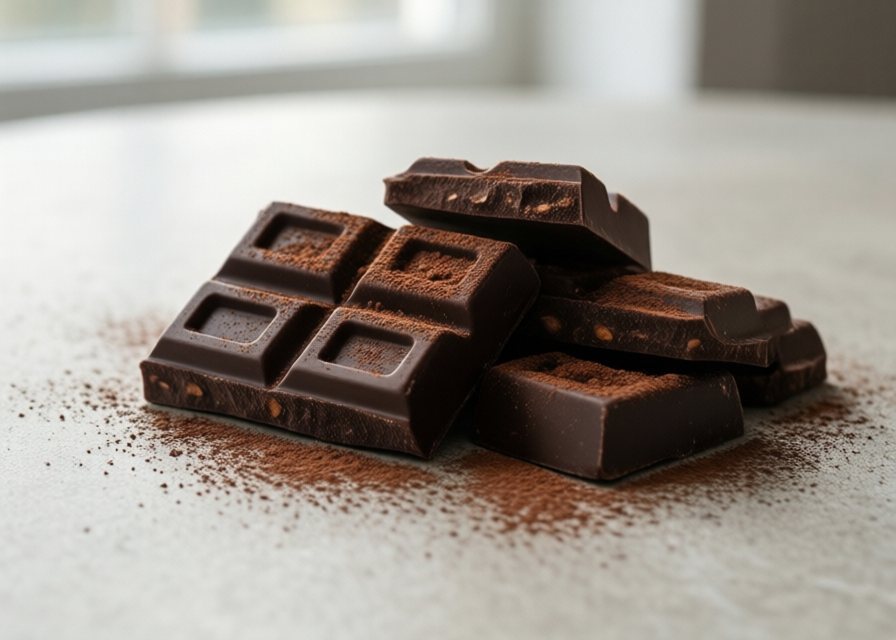
The flavanol story
What they do: cocoa flavanols boost the body's production of nitric oxide, which relaxes and widens blood vessels. A Cochrane review of dozens of trials found cocoa produced a small but real fall in blood pressure,1 and Europe's food-safety authority accepts that ~200 mg of cocoa flavanols helps maintain normal blood-vessel dilation.3
The COSMOS trial: in a large randomised trial of older adults, a cocoa-flavanol supplement didn't cut total cardiovascular events overall, but did reduce cardiovascular deaths — the strongest human evidence yet that the flavanols themselves matter.2 Note this used a standardised supplement, not a chocolate bar.
Why most chocolate loses them
Processing matters more than "%": flavanols are bitter, and much of the industry removes them. "Dutching" (alkalising cocoa to make it milder and darker) can strip out the majority of the flavanols — so a dark, glossy cocoa can be almost flavanol-free.
The hierarchy: natural (non-alkalised) cocoa powder is highest; high-percentage dark chocolate is moderate; milk chocolate is low; and white chocolate has essentially none (no cocoa solids at all). A higher cocoa % usually means more flavanols, but processing can undo that.
Sugar, fat & calories
Keep perspective: chocolate is energy-dense (~500–600 kcal/100 g) and, in most bars, loaded with sugar. Milk chocolate is confectionery with a little cocoa — the sugar and calories outweigh any flavanol benefit if eaten freely.
The fat: cocoa butter is largely stearic acid, a saturated fat that appears fairly neutral for cholesterol — but that's not a licence to overeat a high-calorie food. Portion is everything.
Cadmium & heavy metals
The issue: cocoa plants take up cadmium from soil (and some beans carry lead from processing), so dark chocolate — being concentrated — can contain meaningful amounts. Testing programmes have flagged some bars above conservative reference levels.4
In proportion: for an adult eating a modest square or two, this is a minor concern, not a reason to panic. It is a reason not to eat large daily amounts of very dark chocolate, and to vary brands — and it matters more for young children, who should have only small amounts.
How to choose
For a treat: pick 70–85% dark chocolate, enjoy a square or two, and count it as a treat you've chosen well rather than a supplement.
For the benefit: use unsweetened natural cocoa powder (labels may say "not alkalised" / "not Dutch-processed") stirred into milk, porridge or a smoothie — you get the flavanols and the taste without the sugar load.
At a glance
| Form | Flavanols | Verdict |
|---|---|---|
| Natural cocoa powder | Highest | Best vehicle for the benefit |
| Dutched (alkalised) cocoa | Much reduced | Tastes mild, low flavanols |
| Dark chocolate 70–85% | Moderate | Sensible treat, a square or two |
| Milk chocolate | Low | Confectionery — occasional |
| White chocolate | None | No cocoa solids at all |
Sensible cautions: chocolate contains caffeine and theobromine — mild stimulants that can affect sleep or sensitive people in large amounts, and theobromine is toxic to dogs, so keep it away from pets. Limit very dark chocolate for young children (cadmium/lead and caffeine). It remains a high-sugar, high-calorie food in bar form — treat it as a treat.
The takeaway: cocoa flavanols are one of the few "functional food" stories with real randomised-trial support for blood vessels and blood pressure — but the benefit lives in the flavanols, not the chocolate. Choose natural cocoa powder or 70–85% dark chocolate in small amounts, skip the idea that milk chocolate is health food, and don't eat huge daily quantities of very dark bars (sugar, calories and cadmium all add up).
References
- Ried K, Fakler P, Stocks NP. Effect of cocoa on blood pressure. Cochrane Database of Systematic Reviews, 2017. cochranelibrary.com
- Sesso HD, et al. Effect of cocoa flavanol supplementation for the prevention of cardiovascular disease events: the COcoa Supplement and Multivitamin Outcomes Study (COSMOS) randomized clinical trial. Am J Clin Nutr, 2022;115(6):1490–1500. pubmed.ncbi.nlm.nih.gov
- EFSA Panel on Dietetic Products, Nutrition and Allergies. Scientific opinion on cocoa flavanols and maintenance of normal endothelium-dependent vasodilation. EFSA Journal, 2012. efsa.europa.eu
- Hands JM, et al. Concentrations of heavy metals (lead, cadmium) in dark chocolate and cocoa products. Frontiers in Nutrition, 2024. frontiersin.org
This guide summarizes nutrition evidence for education. It is not a substitute for individual medical or dietary advice.