SupplementsImmune supportEvidence-ranked
Start with the uncomfortable truth: in a well-nourished person, no pill “boosts” immunity in any meaningful sense — a revved-up immune system is what a fever and an autoimmune flare feel like, not a goal. What a few supplements can honestly do is narrower and more useful: correct a deficiency that was leaving you more infection-prone, or modestly shorten a cold you have already caught. That is the whole game. The biggest wins are not exotic — they are fixing low vitamin D, taking zinc correctly within a day of symptoms, and not smoking — while the base you keep hearing about (sleep, exercise, a varied diet) genuinely outperforms anything on this page. Everything past the top tier gets thinner fast, and by the time you reach echinacea and garlic pills you are mostly buying folklore with a citation stapled on.
Read this first
- Sleep, exercise, a varied diet and not smoking beat every capsule here. Fixing a real deficiency helps; topping up when you are already replete does not.
- Best-supported: vitamin D (only if you are low), zinc lozenges (started within 24 h, correct form), and probiotics (a small reduction in how often you catch colds).
- Modest / situational: vitamin C (won’t stop a cold; may trim its length a little, more so under heavy physical stress) and elderberry (promising symptom data, but small trials and thin methodology).
- Popular but weak: echinacea (Cochrane could not confirm a real effect) and garlic (a single trial — not enough to trust).
- These are food supplements. None treats, prevents or cures COVID-19, influenza or any disease.
Tier 1 — the ones with real human data
Best supported
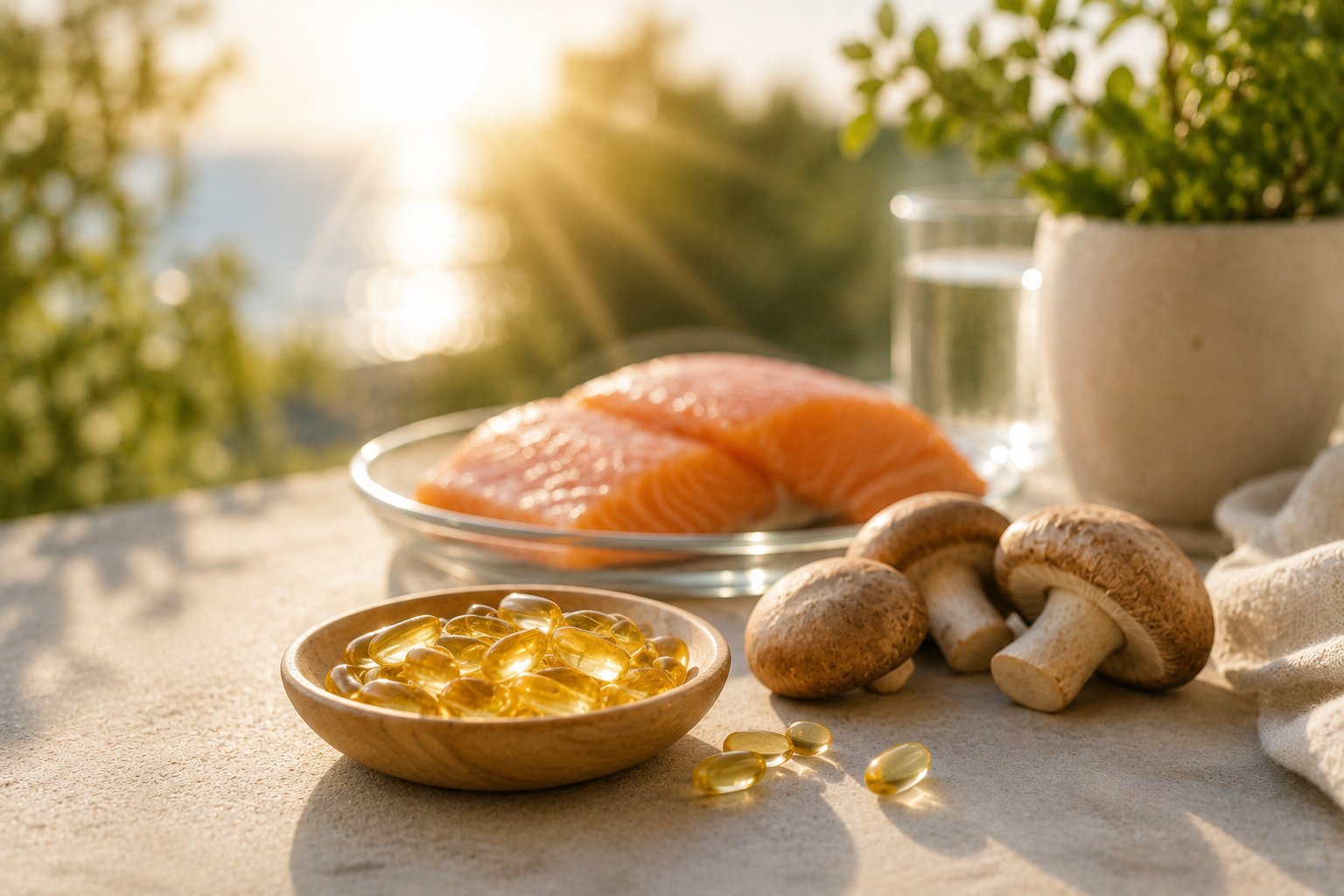
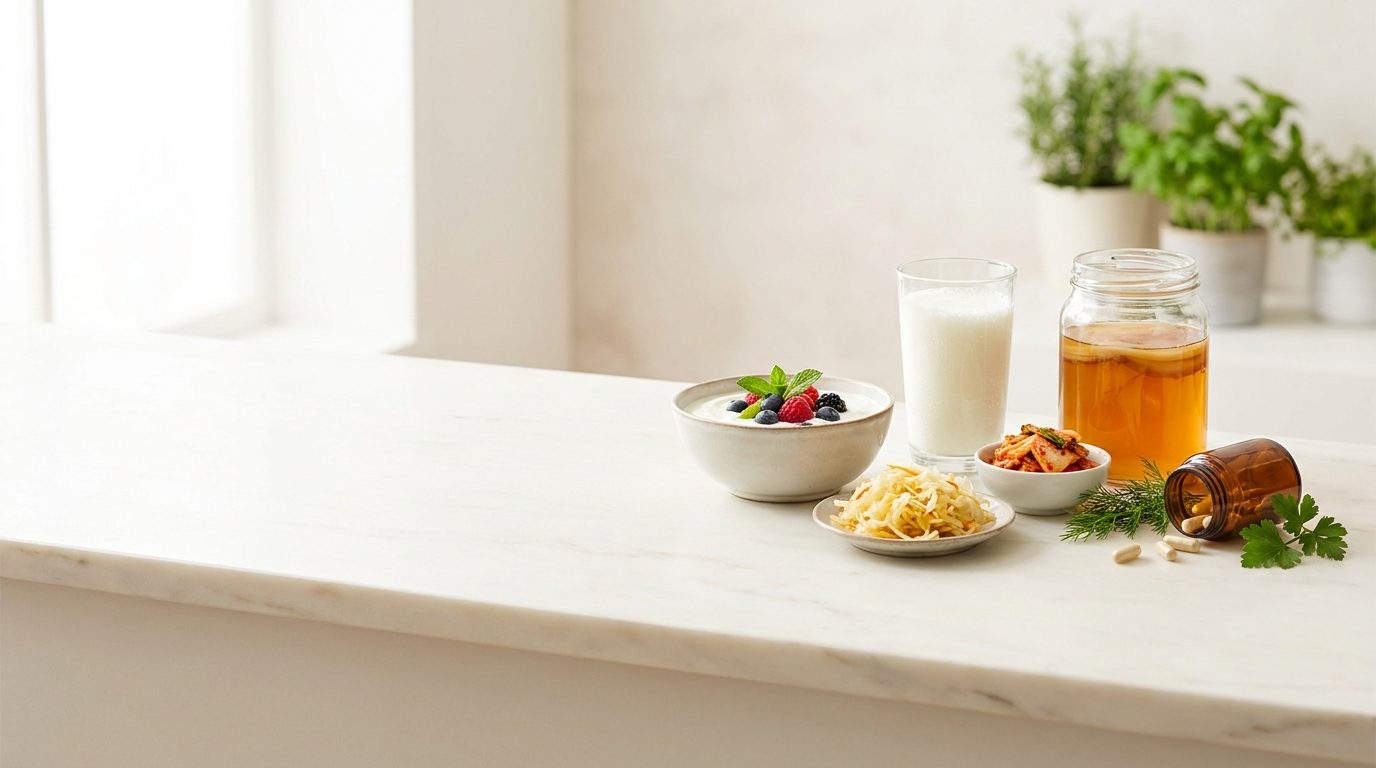
Vitamin D is the strongest name here, with one crucial caveat: the benefit is about correcting a shortfall, not stacking more on top. A large individual-participant meta-analysis of 25 randomised trials found that regular (daily or weekly) vitamin D supplementation cut the risk of at least one acute respiratory infection, and the effect was concentrated in people who were genuinely deficient to begin with; big infrequent bolus doses did not help.1 Translation: worth checking your level and fixing it — not worth mega-dosing if you are already replete. Zinc earns its place only in a very specific form and window: sucking zinc acetate or gluconate lozenges that deliver enough elemental zinc, started within about a day of the first symptoms. An individual-patient meta-analysis of zinc acetate lozenge trials found colds resolved meaningfully faster — on the order of days, not hours.2 Zinc capsules swallowed for “immunity” do not do this; the lozenge is acting locally in the throat. Probiotics have the most for prevention: a 2022 Cochrane review concluded they probably reduce how often people get acute upper-respiratory infections and the days of illness, versus placebo — a real but modest effect, with strains and doses still frustratingly varied across trials.3
Tier 2 — modest or situational
Moderate
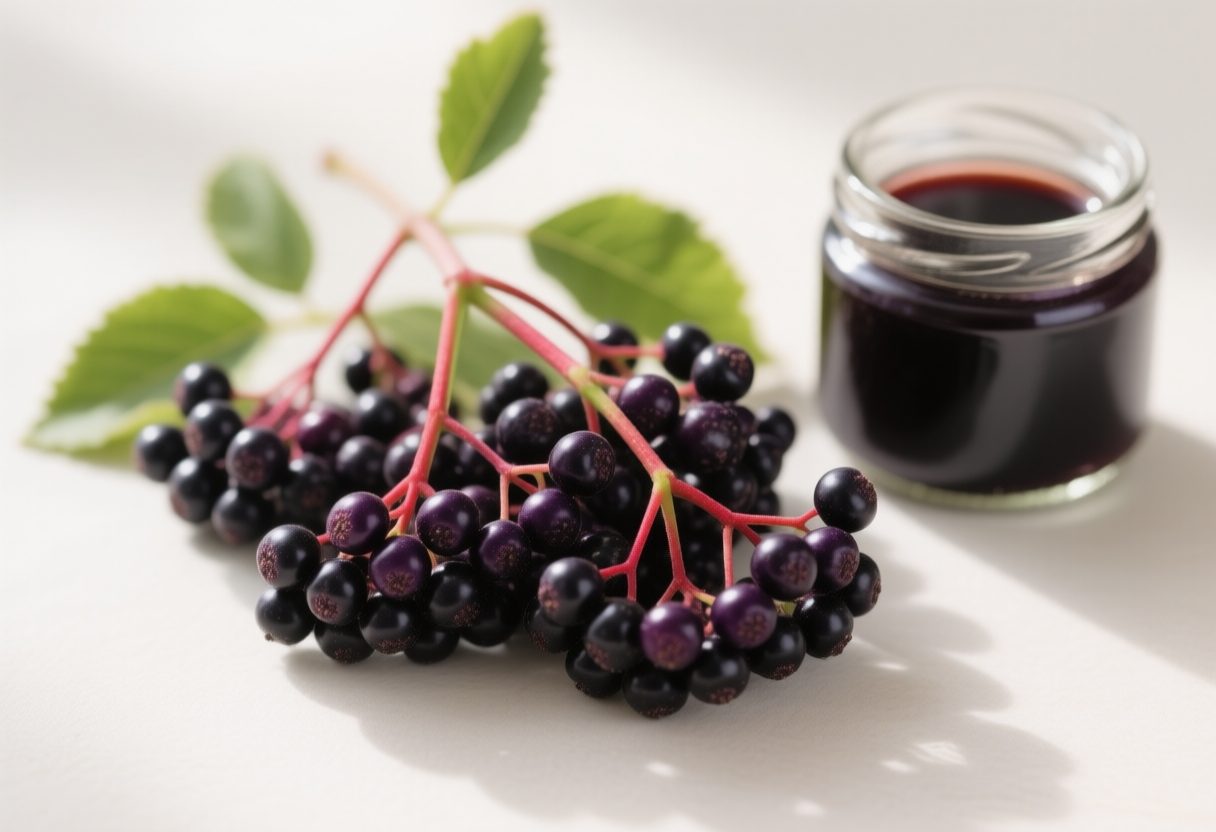
Vitamin C is the classic example of a good story outrunning the data. The definitive Cochrane review is blunt: routine supplementation does not reduce how often the general population catches colds. It does shorten colds slightly and consistently — roughly 8% shorter in adults — and there is a stronger signal in people under heavy short-term physical stress, such as marathon runners and soldiers in the cold, where it roughly halved cold incidence.4 Taking it only after symptoms start has not shown a clear benefit. Elderberry (Sambucus nigra) is the more interesting of the herbals: a 2019 meta-analysis of randomised trials reported that it substantially reduced upper-respiratory symptoms.5 Take that with real caution — the pooled trials are small, several were industry-adjacent, and one later respiratory trial was unconvincing. Promising, not proven.
Tier 3 — popular, but the evidence is weak
Over-sold
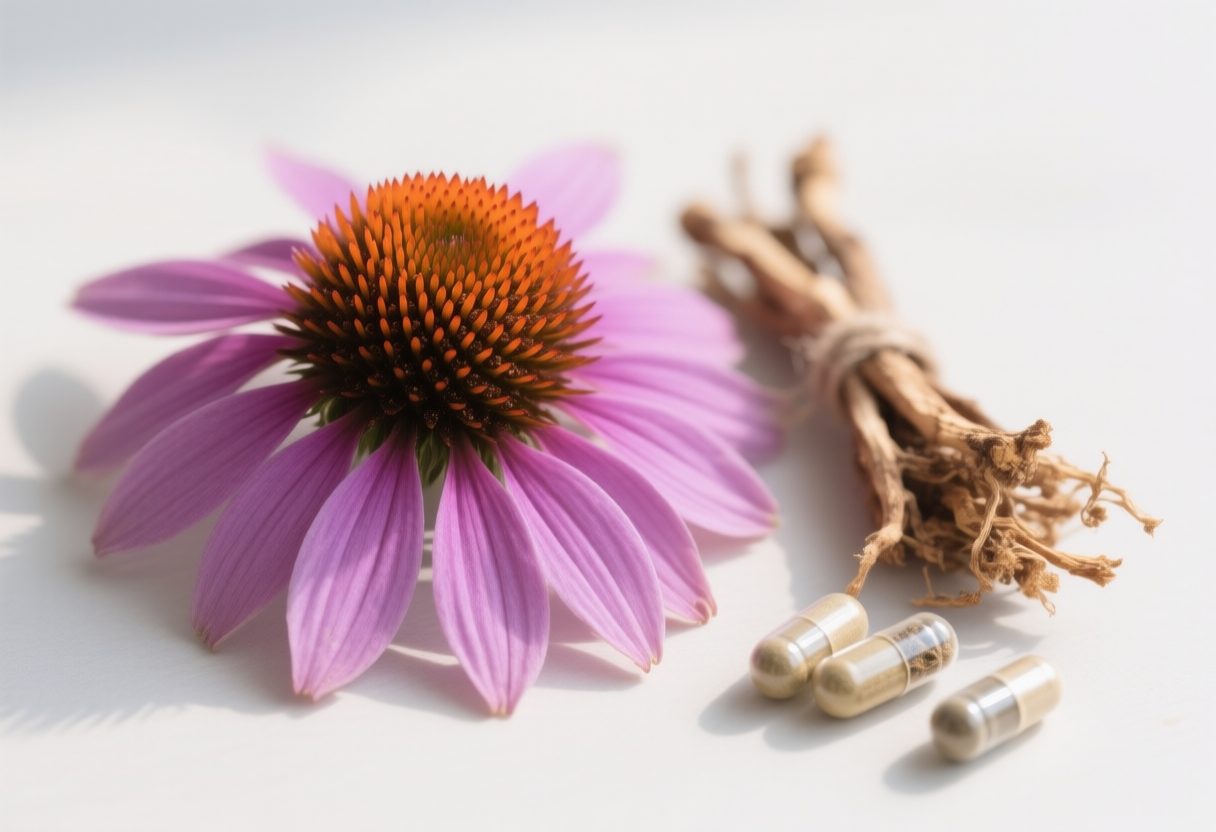
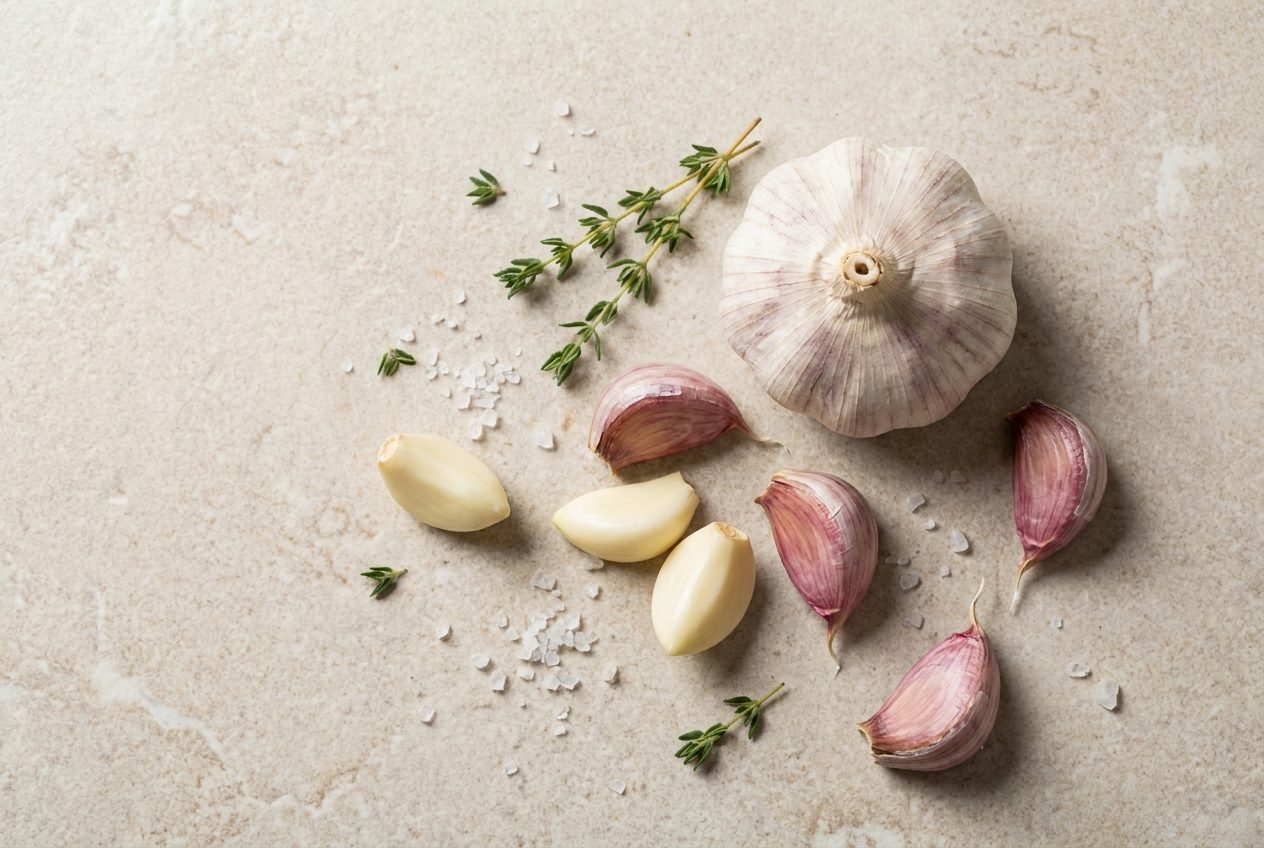
Echinacea is the perennial cold-season best-seller, and the honest verdict is a shrug: the 2014 Cochrane review found the individual trials so varied in preparation and quality that it could not establish a reliable prevention or treatment effect — any benefit, if it exists, is weak.6 Garlic is even thinner: the Cochrane review found essentially one decent randomised trial, which hinted at fewer colds, and concluded there is not enough evidence to recommend it.7 Eating garlic is great for other reasons — taking it as an immune pill is running well ahead of the science.
The honest bottom line. If you want to get sick less this winter, the highest-yield moves are not on this page: sleep, regular exercise, hand-washing, a flu jab if you are eligible, and fixing a genuinely low vitamin D. Among the supplements, only vitamin D (when you are deficient), correctly-used zinc lozenges and possibly probiotics have earned their keep — and none of them treats or prevents any disease.

References
Adult research summary for education, not a prescription. These are food supplements, not treatments for disease.
- Martineau AR, Jolliffe DA, Hooper RL, et al. Vitamin D supplementation to prevent acute respiratory tract infections: systematic review and meta-analysis of individual participant data. BMJ 2017;356:i6583. pubmed.ncbi.nlm.nih.gov/28202713
- Hemilä H, Fitzgerald JT, Petrus EJ, Prasad A. Zinc acetate lozenges for treating the common cold: an individual patient data meta-analysis. Br J Clin Pharmacol 2016;82(5):1393–1398. pubmed.ncbi.nlm.nih.gov/27378206
- Zhao Y, Dong BR, Hao Q. Probiotics for preventing acute upper respiratory tract infections. Cochrane Database Syst Rev 2022;8:CD006895. pubmed.ncbi.nlm.nih.gov/36001877
- Hemilä H, Chalker E. Vitamin C for preventing and treating the common cold. Cochrane Database Syst Rev 2013;(1):CD000980. pubmed.ncbi.nlm.nih.gov/23440782
- Hawkins J, Baker C, Cherry L, Dunne E. Black elderberry (Sambucus nigra) supplementation effectively treats upper respiratory symptoms: a meta-analysis of randomized, controlled clinical trials. Complement Ther Med 2019;42:361–365. pubmed.ncbi.nlm.nih.gov/30670267
- Karsch-Völk M, Barrett B, Kiefer D, et al. Echinacea for preventing and treating the common cold. Cochrane Database Syst Rev 2014;(2):CD000530. pubmed.ncbi.nlm.nih.gov/24554461
- Lissiman E, Bhasale AL, Cohen M. Garlic for the common cold. Cochrane Database Syst Rev 2014;(11):CD006206. pubmed.ncbi.nlm.nih.gov/25386977
This article summarises nutrition science for education. It is not a substitute for individual medical advice; consult a professional before starting a supplement, in pregnancy, or alongside medication.