Nutrition basicsAlgae & sea vegetablesIodine
Edible algae split into two groups: seaweeds (macroalgae — nori, wakame, kombu, dulse) eaten as food, and microalgae (spirulina, chlorella) sold as supplement powders. Both are rich in minerals, fibre and protein. The headline benefit — and the headline risk — is the same mineral: iodine.
Read this first — the iodine warning. Seaweed is the most concentrated iodine source in the food supply. Kelp/kombu is the extreme: just 1 g of dried kelp can contain ~1,300 µg of iodine — more than double the adult upper limit of 600 µg/day (EFSA).1 Regular seaweed eaters have been measured at 4× the upper limit, with thyroid disruption that reversed when they stopped.2 A little iodine is essential; far too much harms the thyroid just as a deficiency does. Dietetic bodies advise avoiding kelp supplements entirely, and anyone pregnant or with thyroid disease should be especially cautious.
Nori (laver)
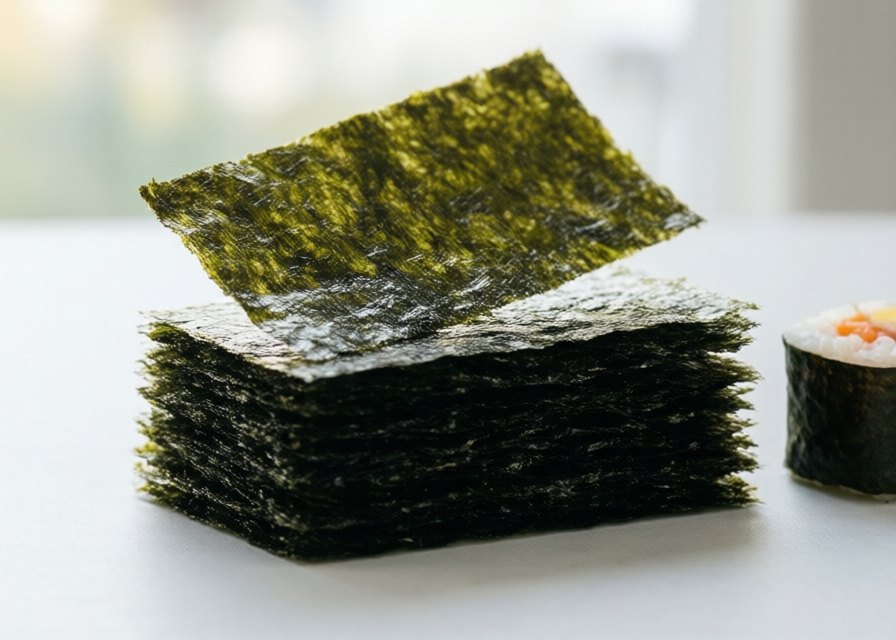
What it is: the thin sheets around sushi. Of the common seaweeds it has the lowest, most reasonable iodine, plus vitamin A, vitamin K and fibre.
Note: nori (purple laver) is one of the few plant foods shown to contain some biologically active B12 — though amounts vary and it isn't a guaranteed substitute for a B12 supplement in vegans. The safest everyday seaweed.
Wakame
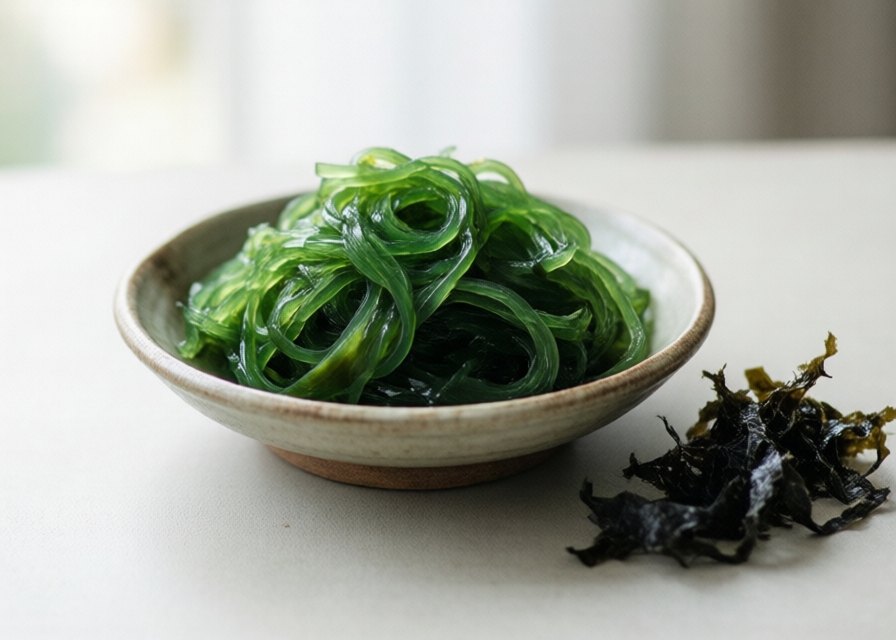
What it is: the silky green seaweed in miso soup and seaweed salad. Source of minerals (magnesium, calcium) and fibre, with moderate iodine — fine in normal culinary amounts, not by the bowlful daily.
Kombu / kelp
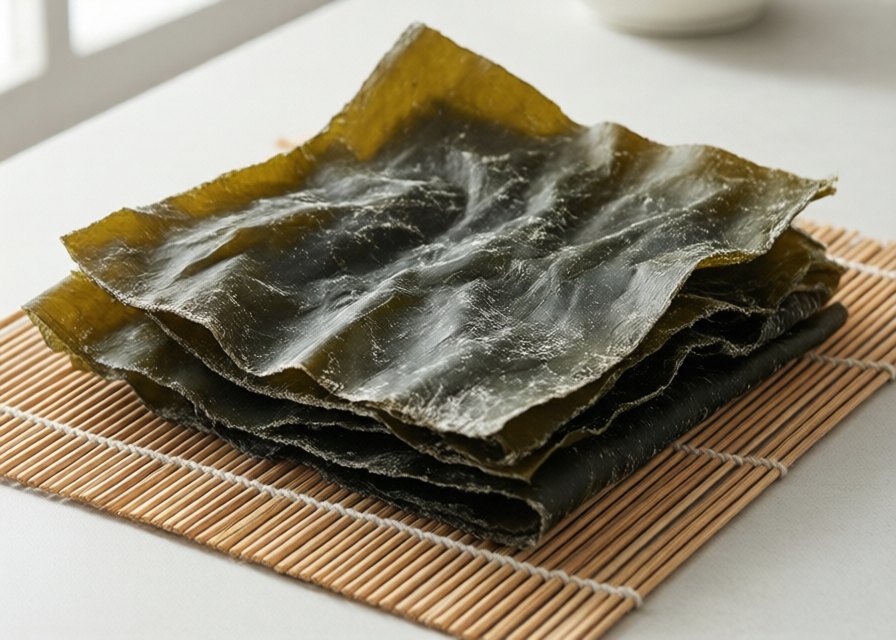
What it is: thick kelp used to make Japanese dashi stock, and the form sold as "kelp" supplements. Rich in glutamate (natural umami).
The catch: by far the highest iodine of any food — this is the one behind most iodine-excess cases. Fine as an occasional flavour base you remove from the broth; not something to eat daily or take as a supplement.
Dulse
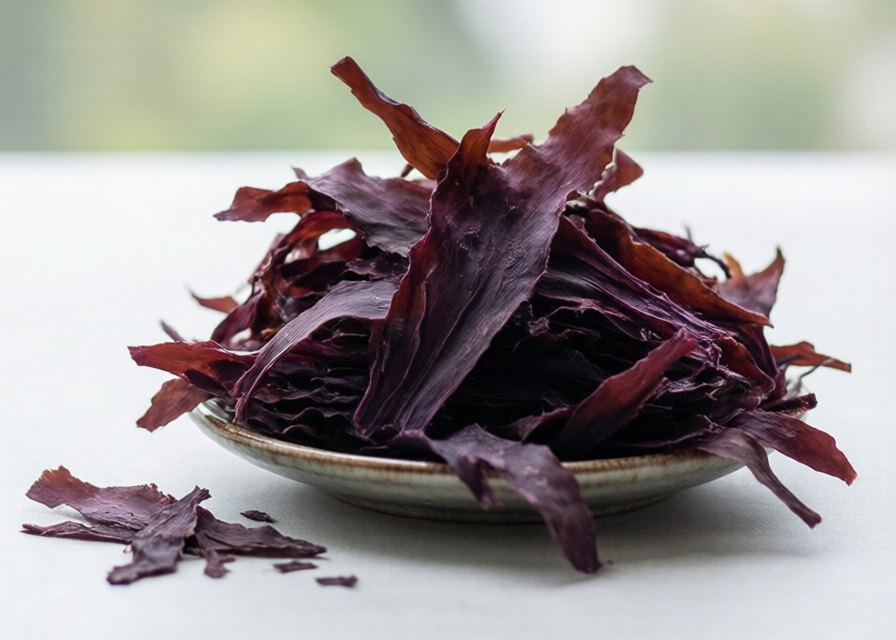
What it is: a reddish Atlantic seaweed (traditional in Ireland/Iceland), eaten as flakes or snacks. Relatively higher in protein, with iron and potassium and a milder iodine level than kelp — a more forgiving choice.
Hijiki
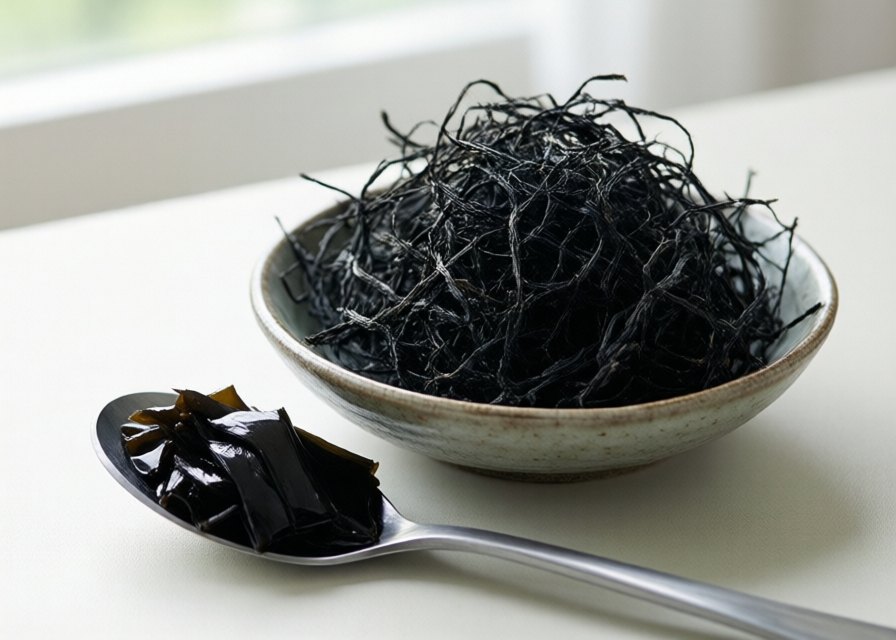
What it is: a black seaweed used in some Japanese dishes. Why it's flagged: hijiki consistently tests high in inorganic arsenic (a carcinogen), and several national food agencies have advised against eating it. Of all the seaweeds, this is the one to skip.
Spirulina (microalga)
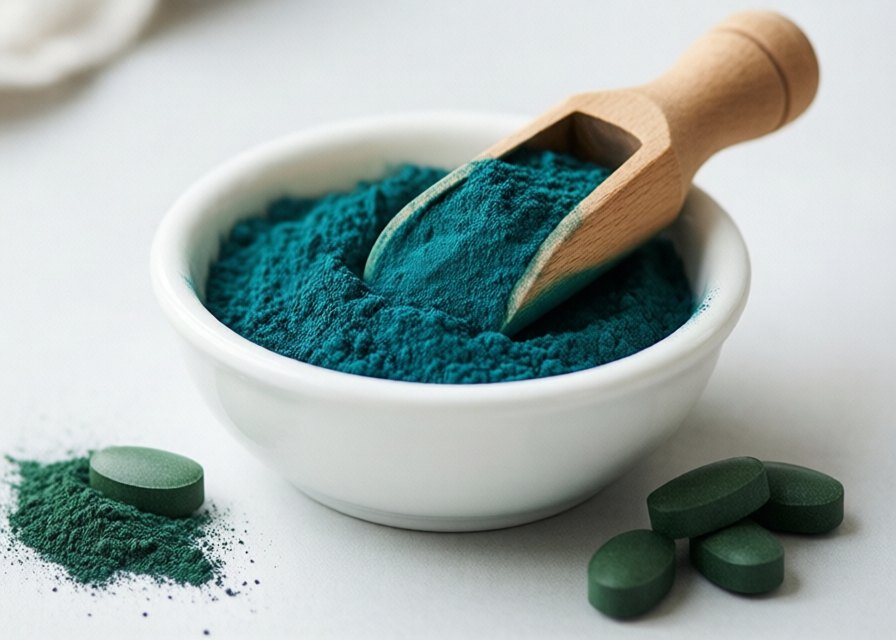
What it is: a blue-green microalga sold as powder/tablets. Genuinely high in protein and iron, with some antioxidant pigments (phycocyanin); small trials suggest modest effects on blood lipids.
Two honest cautions: (1) the "rich in B12" marketing is misleading — most of it is pseudo-B12, an inactive analogue the body can't use, so don't rely on it to prevent deficiency.3 (2) Spirulina from uncontrolled sources can be contaminated with toxins (microcystins) or heavy metals — buy only reputable, tested brands.
Chlorella (microalga)
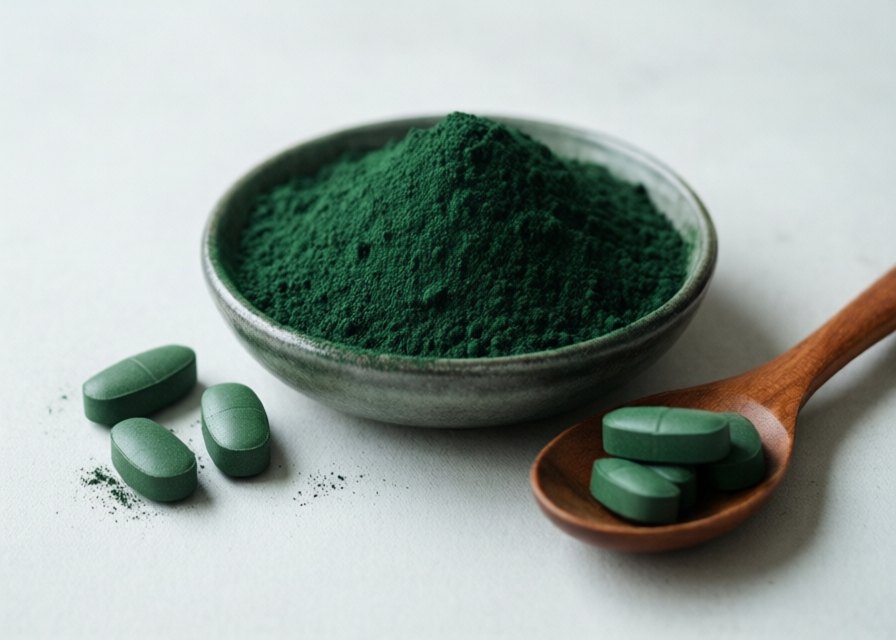
What it is: a green microalga supplement. High in chlorophyll and protein; unlike spirulina, some chlorella products do contain biologically active B12 — though content varies by brand, so it still isn't a reliable sole source.
Reality check: popular "detox/heavy-metal cleanse" claims are not well supported — and as with spirulina, source quality and contamination testing matter.
Bottom line: algae are nutritious and a fine part of a varied diet — lean toward nori, wakame and dulse in normal culinary amounts. Treat kelp/kombu as an occasional flavouring (and never as a supplement), skip hijiki, and don't trust algae as your B12 source. With spirulina and chlorella, buy tested brands and keep expectations modest. The deciding issue with algae is almost always iodine — respect it.
See also: iodine, vitamin B12, and what "superfood" really means.
References
- EFSA — tolerable upper intake level for iodine (600 µg/day for adults); and analyses of iodine in commercial kelp/seaweed showing single grams can exceed it several-fold. efsa.europa.eu — iodine
- Aakre I, et al. Iodine status and thyroid function in a group of seaweed consumers (median intake ~4× the upper limit; TSH changes reversed on cessation). Nutrients, 2020. mdpi.com · French agency ANSES advisory on seaweed iodine excess: anses.fr
- Watanabe F, et al. Characterization and bioavailability of vitamin B12 compounds from edible algae — pseudovitamin B12 predominates in spirulina. J Nutr Sci Vitaminol. jstage.jst.go.jp
This guide summarizes nutrition evidence for education. It is not a substitute for individual medical advice. If you have thyroid disease or are pregnant, seek professional guidance before adding seaweed or kelp.