Nutrition basicsNutsHeart health
Nuts pack unsaturated fat, plant protein, fibre, vitamin E, magnesium and polyphenols into a small package. In the large PREDIMED trial, a Mediterranean diet enriched with 30 g of mixed nuts a day cut major cardiovascular events,1 and large cohort studies link regular nut eating to lower mortality.2 They genuinely help lower LDL when they replace less healthy snacks (see LDL & your heart).
How much? A portion is about a small handful (~30 g) a day. Choose raw or dry-roasted, unsalted where you can — heavily salted or sugar/honey-glazed nuts undo a lot of the benefit. Whole nuts beat nut "snacks." And yes, nuts are calorie-dense (~160–200 kcal per handful) — but in trials they rarely cause weight gain, partly because they're filling and some fat isn't fully absorbed.
Almond
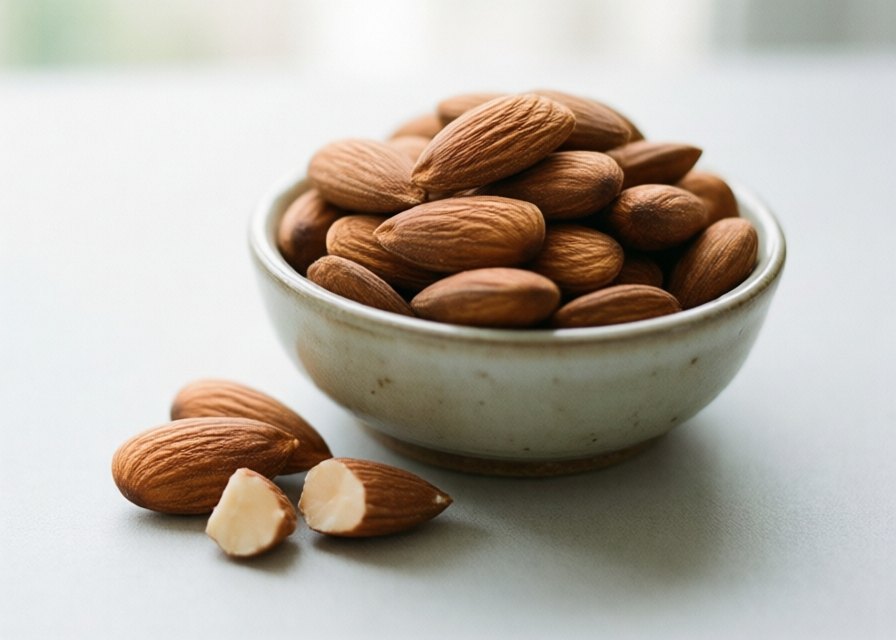
Richest in: vitamin E — a handful gives most of a day's needs — plus magnesium, fibre and plant protein. Mostly monounsaturated fat.
Good for: lowering LDL cholesterol, blood-sugar steadiness and skin (vitamin E is a key antioxidant). One of the best all-round everyday nuts.
Note: the skin holds many of the polyphenols, so "natural" (skin-on) beats blanched. Almond flour is a useful low-carb baking swap.
Walnut
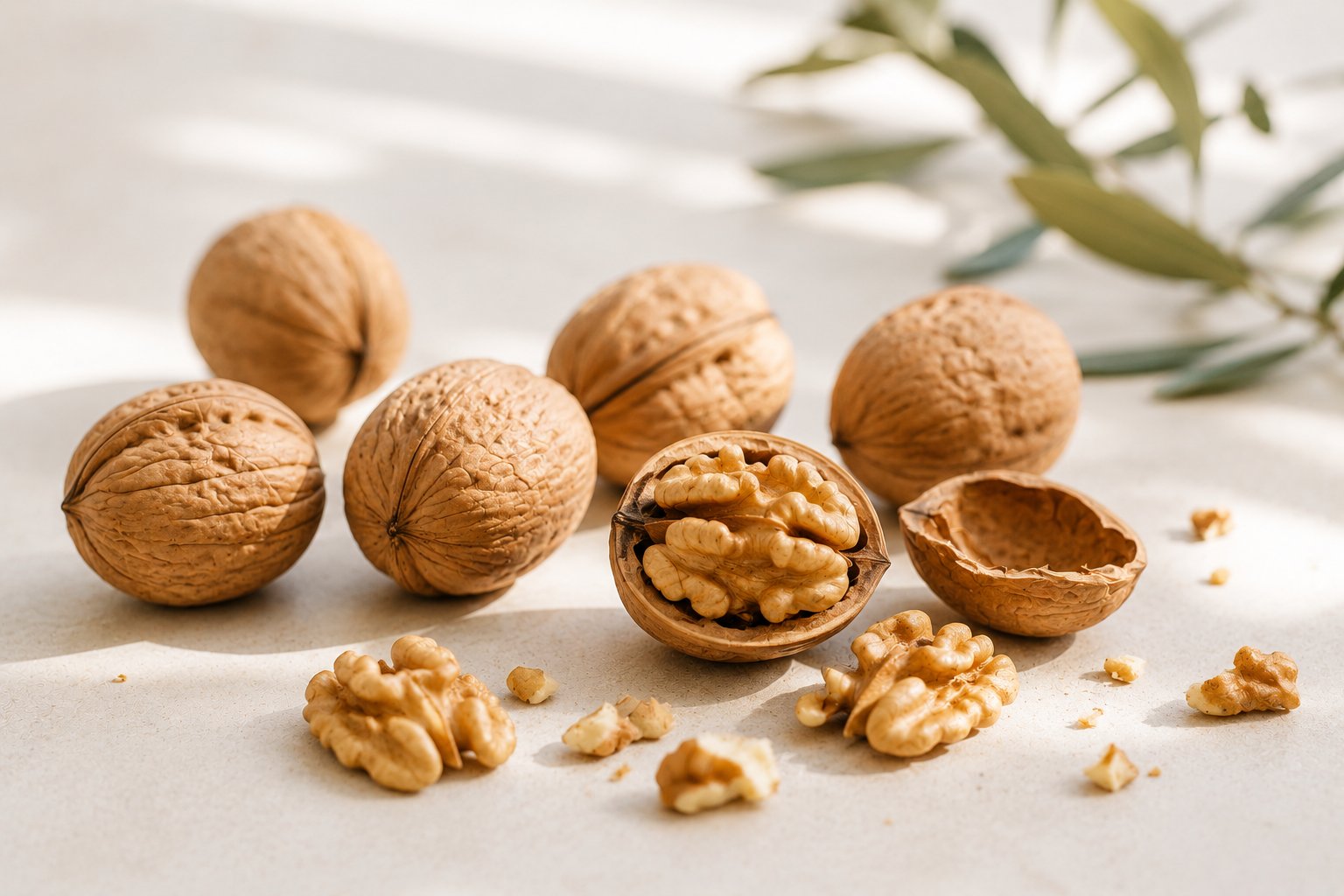
Richest in: ALA omega-3 — by far the highest of any common nut — plus polyphenols and the antioxidant ellagic acid.
Good for: heart health and the one most studied for brain/cognition. The ALA is a plant omega-3, though the body only partly converts it to the EPA/DHA you get from oily fish.
Note: that omega-3 makes walnuts oxidise (go rancid) faster than other nuts — store cool and sealed, ideally in the fridge.
Brazil nut
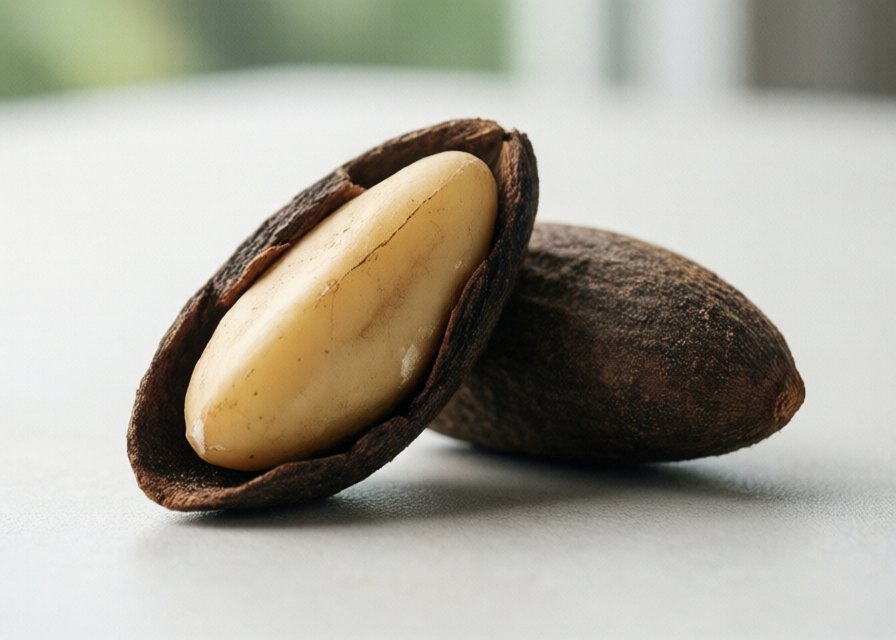
Richest in: selenium — to an extreme. A single Brazil nut can contain ~70–90 µg, already around or above a full day's requirement (~55–70 µg).
Good for: thyroid function and antioxidant defence (selenium feeds glutathione peroxidase). One or two nuts is a tidy way to top up selenium.
Caveat — this matters: because they're so concentrated, eating a handful daily can push you toward selenium toxicity (the upper limit is ~300–400 µg/day) — hair loss, brittle nails, nausea, nerve issues. Stick to 1–2 a day, not a bowlful.3
Cashew
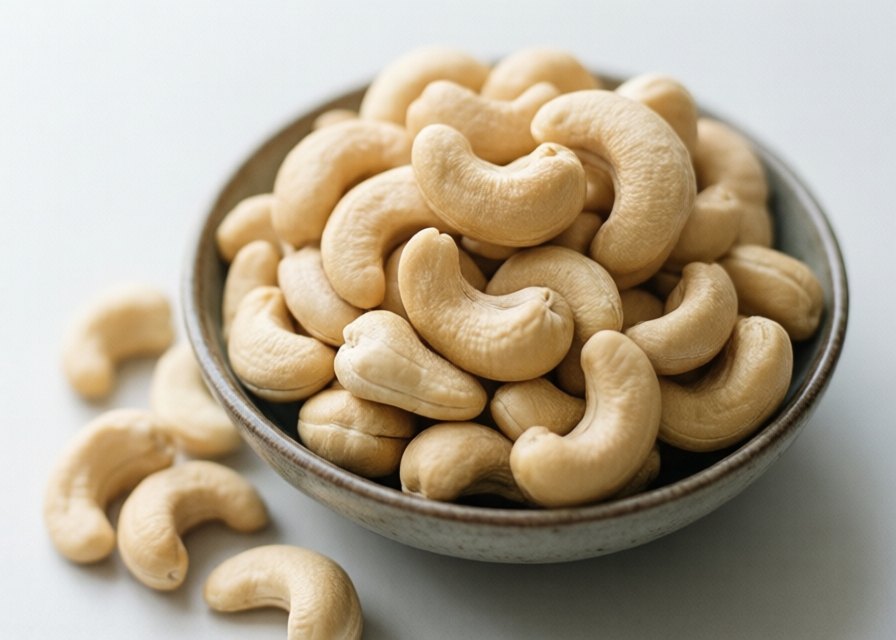
Richest in: copper, magnesium, iron and zinc — a good mineral nut. Creamier and slightly higher in carbohydrate, lower in fat than most nuts.
Good for: minerals (useful plant iron/zinc source) and making smooth dairy-free sauces and "cheeses."
Note: always sold shelled and roasted — the raw shell contains an irritant oil (related to poison ivy). The slightly higher carb content is worth knowing if you watch blood sugar.
Hazelnut
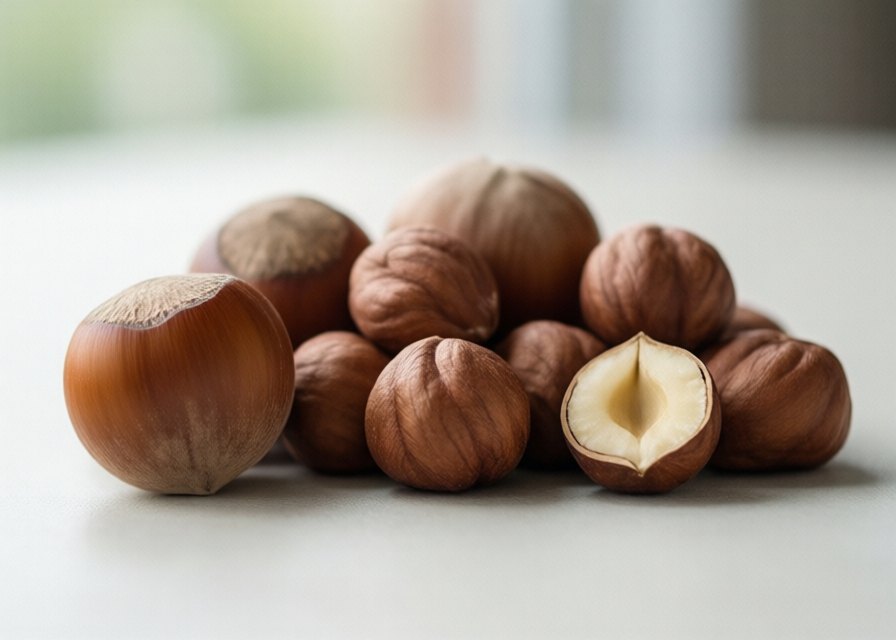
Richest in: oleic acid (the same monounsaturated fat as olive oil), plus vitamin E, folate, manganese and copper.
Good for: heart-friendly fats and a favourable LDL effect. Antioxidant-rich, especially with the skin on.
Note: mostly met in sugary chocolate spreads — those are confectionery, not health food. Whole or as pure 100% hazelnut butter is the way to get the benefit.
Pistachio
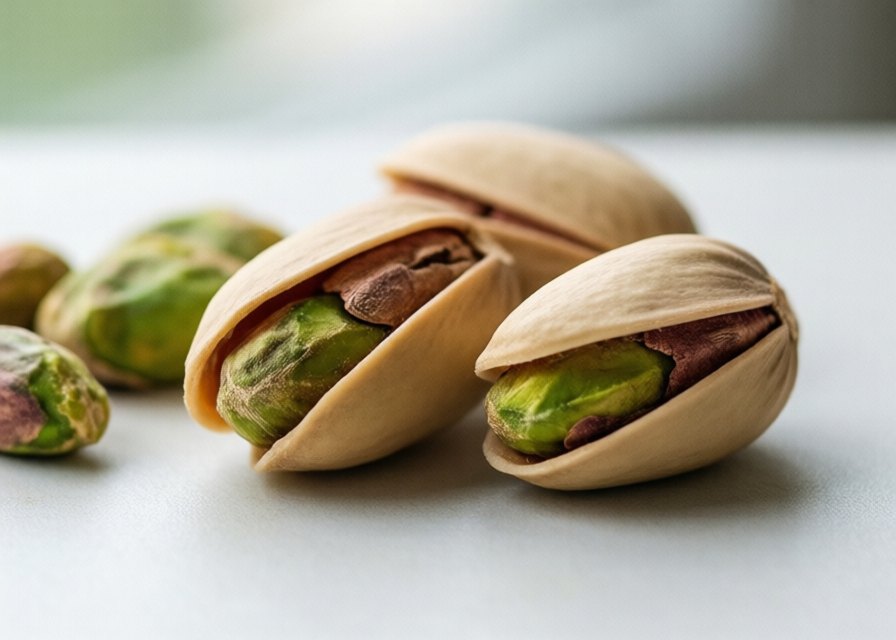
Richest in: protein and potassium for a nut, plus lutein and zeaxanthin — the antioxidants that protect the eyes — which most nuts lack.
Good for: heart health, blood pressure (potassium) and eye health. Lower in calories per nut than most.
Note: buying them in the shell is a built-in portion brake — the effort and the pile of empty shells naturally slow you down.
Pecan
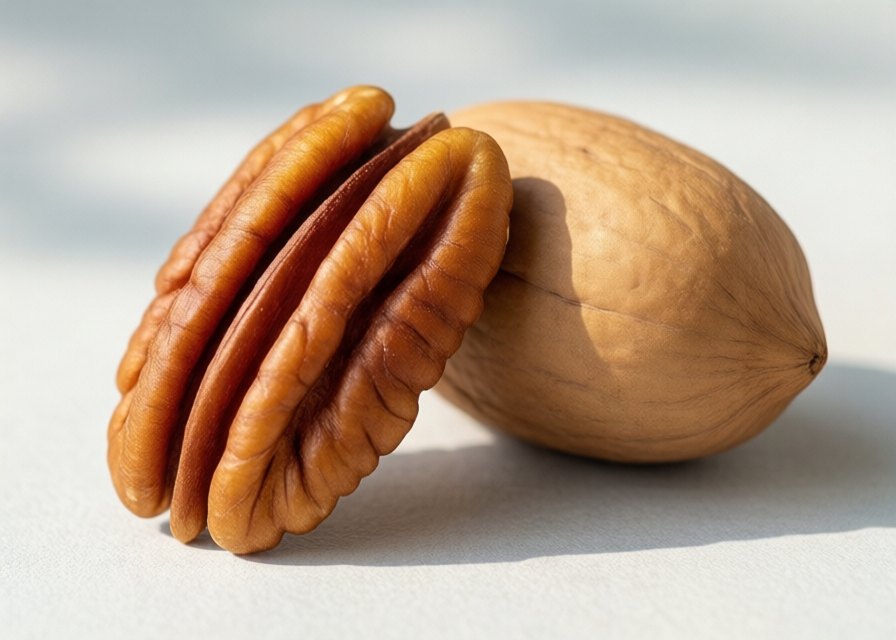
Richest in: polyphenol antioxidants — among the highest of all nuts — and mostly monounsaturated fat, with manganese and zinc.
Good for: antioxidant intake and heart-healthy fats.
Note: rich and buttery, with one of the higher fat (and calorie) contents — easy to over-eat, and usually drowned in sugar as pecan pie. Enjoy them plain.
Macadamia
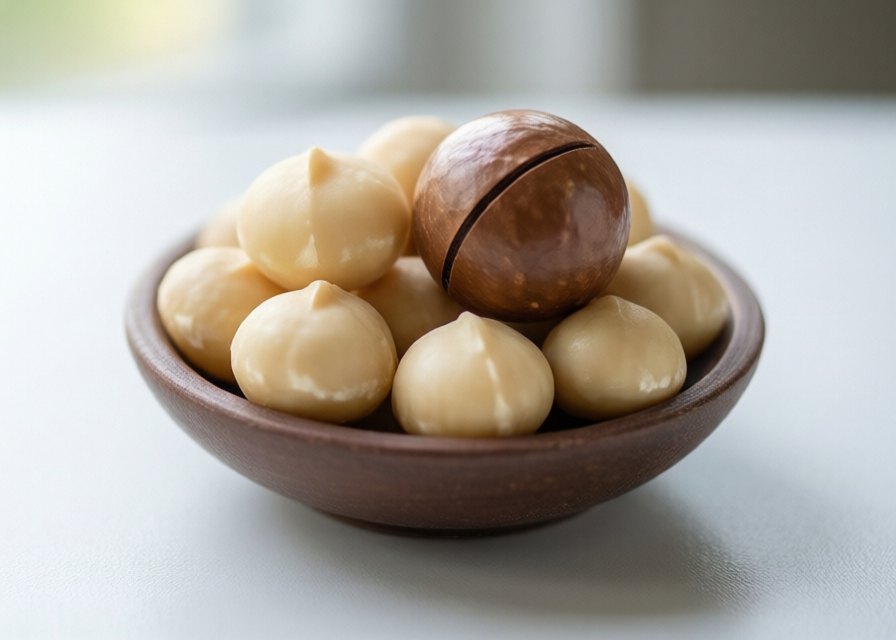
Richest in: monounsaturated fat — the highest proportion of any nut, including rare omega-7 (palmitoleic acid). Low in carbs and protein.
Good for: a keto/low-carb favourite thanks to the high fat, low carb profile, and good for heart-friendly fats.
Note: the most calorie-dense common nut (~200+ kcal per small handful) — portion awareness matters. Also toxic to dogs, so keep them away from pets.
Peanut
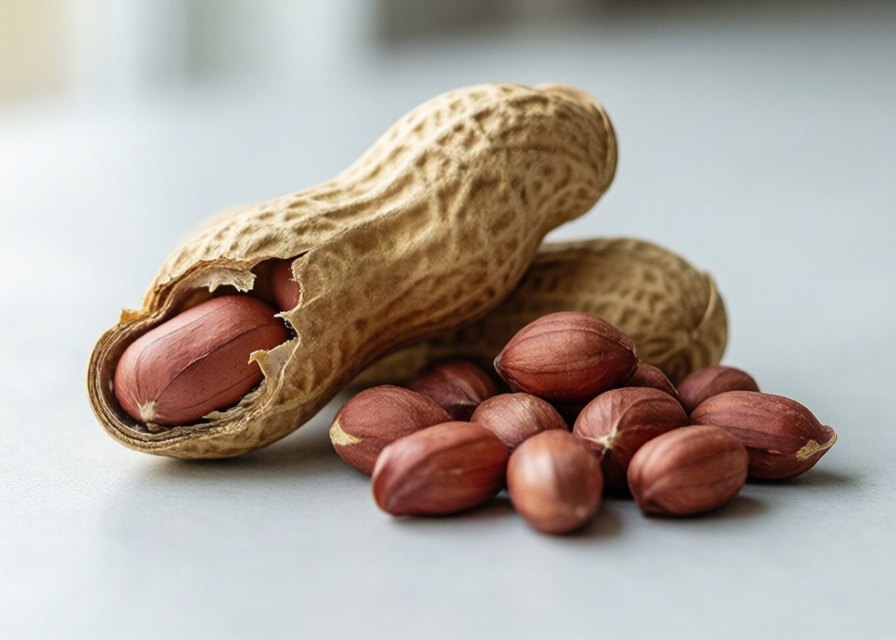
Richest in: protein (the highest of the "nuts"), niacin (B3), folate and the polyphenol resveratrol. Botanically a legume, but nutritionally it sits with the nuts.
Good for: an affordable, protein-rich option with the same heart benefits as tree nuts in studies. Choose 100% peanut butter (just peanuts ± salt), not the kind with added sugar and palm oil.
Caveats: a common, sometimes severe allergen; and poorly stored peanuts can carry aflatoxin (a mould toxin) — buy from reputable brands and discard any that taste musty or look mouldy.
Pine nut
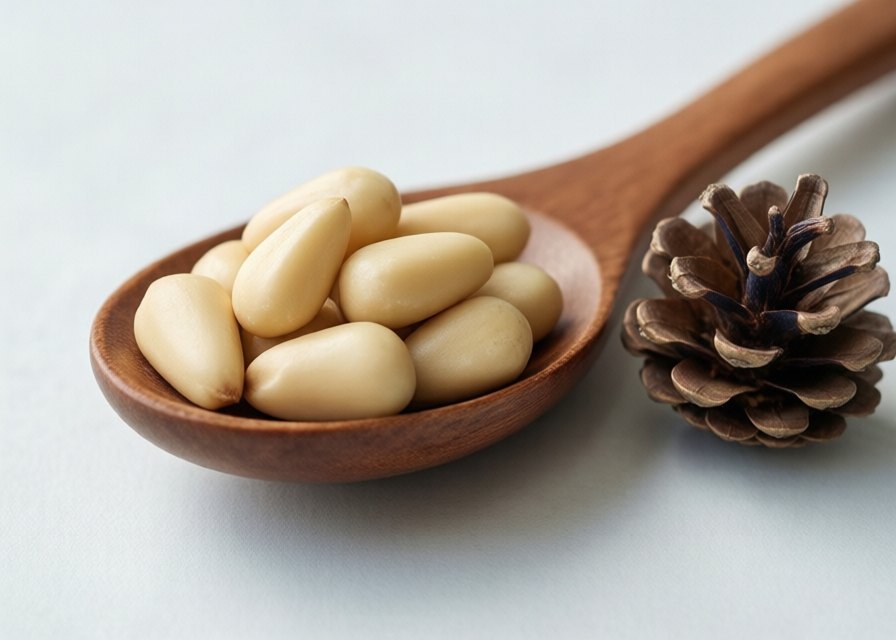
Richest in: vitamin E and vitamin K, magnesium and the antioxidant lutein. Delicate and buttery (think pesto).
Good for: a flavourful garnish that adds healthy fats and fat-soluble vitamins to salads and pasta.
Note: expensive, and some people (usually after certain imported varieties) get "pine mouth" — a harmless but odd metallic/bitter taste lasting a few days. It passes on its own.
At a glance
| Nut | Stands out for | Best for |
|---|---|---|
| Almond | Vitamin E, magnesium | All-round daily nut, LDL |
| Walnut | ALA omega-3 | Brain & heart |
| Brazil nut | Selenium (extreme) | Thyroid — 1–2/day only |
| Cashew | Copper, iron, zinc | Minerals, creamy cooking |
| Hazelnut | Oleic fat, vitamin E | Heart-friendly fats |
| Pistachio | Protein, potassium, eye antioxidants | BP, eyes, portion control |
| Pecan | Antioxidants | Antioxidant intake |
| Macadamia | Monounsaturated fat | Keto/low-carb (high cal) |
| Peanut | Protein, niacin (cheap) | Budget protein |
| Pine nut | Vitamin E & K | Flavour garnish |
Sensible cautions: tree nuts and peanuts are among the most common serious allergens — never push nuts on anyone with a known allergy. Whole nuts are a choking hazard for young children (use nut butters thinly spread instead). Ration Brazil nuts for the selenium. And favour unsalted versions — salted nuts add a lot of sodium.
Bottom line: a daily handful of mixed, unsalted nuts is a genuinely evidence-backed habit for the heart. Variety wins — almonds for vitamin E, walnuts for omega-3, pistachios for potassium and eyes — with Brazil nuts the one exception you keep to one or two a day.
References
- Estruch R, et al. Primary prevention of cardiovascular disease with a Mediterranean diet supplemented with extra-virgin olive oil or nuts (PREDIMED). N Engl J Med, 2018. NEJMoa1800389
- Aune D, et al. Nut consumption and risk of cardiovascular disease, total cancer, all-cause and cause-specific mortality: a systematic review and dose-response meta-analysis. BMC Medicine, 2016. BMC Medicine
- National Institutes of Health, Office of Dietary Supplements. Selenium — Health Professional Fact Sheet (Brazil-nut selenium content and tolerable upper intake level). ods.od.nih.gov
This guide summarizes nutrition evidence for education. It is not a substitute for individual medical or allergy advice.