FoodsEggsProteinCholine
An egg is one of the most nutrient-dense foods available: complete protein, and a long list of vitamins and minerals — most of them concentrated in the yolk. The long-standing worry was dietary cholesterol, but for most people the cholesterol you eat has only a small effect on the cholesterol in your blood, and modern reviews find up to one egg a day is not linked to higher heart-disease risk in the general population.12 National guidelines have quietly dropped their strict cholesterol caps as a result.
How many is safe? For most healthy people, up to one egg a day (about 7 a week) fits comfortably within a healthy diet — and eating them isn't the problem so much as what you eat them with (the fried-bread-and-bacon effect). People with type 2 diabetes or existing heart disease may want to be a little more moderate, as the evidence there is less reassuring — see below.
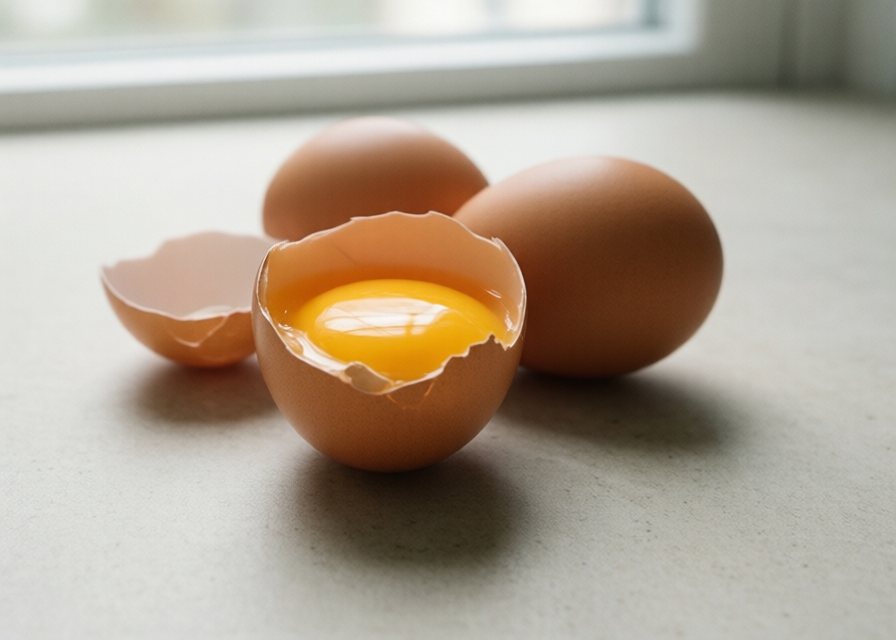
What's in an egg
Protein: one medium egg gives about 6–7 g of high-quality, complete protein — all nine essential amino acids in ideal proportions. Egg protein is the reference standard nutritionists measure other proteins against.
Micronutrients: eggs supply vitamin B12, vitamin D, vitamin A, riboflavin, selenium, iodine and choline — an unusually broad spread for roughly 70 calories. They're one of the few natural food sources of vitamin D.
Good for: a cheap, filling, versatile way to raise protein and micronutrient quality — useful at breakfast to steady appetite through the morning.
Why the yolk matters
The nutrition lives here: the white is mostly protein and water, but the yolk carries almost all the vitamins, minerals and beneficial compounds — the vitamin D, A, B12, choline and the eye antioxidants.
Choline: eggs are among the best dietary sources of choline, a nutrient many people fall short on that's needed for the liver, cell membranes and brain development in pregnancy.3 Two eggs cover a large share of a day's choline.
Eye antioxidants: the yolk provides lutein and zeaxanthin in a highly absorbable form — the same carotenoids that concentrate in the retina and are linked to eye health.
So: routinely throwing the yolk away to make an egg-white omelette discards most of the goodness. Whole eggs are the point.
The cholesterol question
The old fear: eggs are high in cholesterol, so they must raise blood cholesterol and heart risk. It sounds logical, but the body makes most of its own cholesterol and down-regulates that production when you eat more — so for most people dietary cholesterol has a modest effect.
What large studies show: pooled analyses of hundreds of thousands of people find up to one egg a day is not associated with coronary heart disease or stroke in the general population.12 Eggs do nudge LDL up a little in some people, but they also tend to raise HDL and shift LDL toward a less harmful pattern.
The honest caveats: the research isn't unanimous — one prominent US analysis did report higher cardiovascular risk with more eggs.4 And a minority of people ("hyper-responders," perhaps 1 in 4) see a bigger blood-cholesterol rise from dietary cholesterol. The signal is also less reassuring in people with type 2 diabetes.
How many a day
General population: the practical bottom line from the evidence is that about one egg a day is fine for healthy people, and there's no need to fear the yolk. Athletes and high-protein eaters can go higher; the strict old "no more than 2–3 a week" rule is outdated.
Diabetes / heart disease: if you have type 2 diabetes or established cardiovascular disease, it's reasonable to keep eggs more moderate (say, a few a week) while the evidence in these groups stays mixed — and to look at the whole diet rather than eggs alone.
The bigger point: how you eat eggs usually matters more than the egg. Poached eggs on wholegrain toast with vegetables is a different meal from eggs fried in a fry-up with sausage and white bread.
Cooking & safety
Cooking: gentle methods — boiled, poached, scrambled — keep the calories down and the nutrients intact. Frying adds fat and calories depending on the oil and amount.
Raw eggs: carry a small salmonella risk (lower where hens are vaccinated, e.g. UK "British Lion" eggs). Regularly eating raw egg white can also bind biotin (a B vitamin) and, over time, cause deficiency — cooking solves both. Pregnant people and anyone vulnerable should favour fully cooked eggs or vaccinated sources.
At a glance
| Aspect | The evidence | Practical take |
|---|---|---|
| Protein | Complete, reference-quality | 6–7 g per egg, very filling |
| Choline | One of the best sources | Great in pregnancy |
| Cholesterol | Small effect on blood levels for most | Yolk is fine to eat |
| Healthy people | ≤1/day not linked to CHD | Enjoy about one a day |
| Type 2 diabetes | Evidence less reassuring | Keep moderate |
| Eye antioxidants | Absorbable lutein/zeaxanthin | Yolk again |
Sensible cautions: egg is a common childhood allergen. If you have type 2 diabetes, familial hypercholesterolaemia or existing heart disease, discuss egg frequency with your clinician rather than following the "eat all you like" headlines. Favour fully cooked eggs in pregnancy or if immunocompromised.
The takeaway: eggs are an inexpensive, nutrient-dense whole food, and the decades-old cholesterol fear has largely faded — about one egg a day suits most healthy people, yolk included, since that's where the choline, vitamin D and eye antioxidants are. Be a bit more moderate if you have diabetes or heart disease, cook them gently, and remember it's the fry-up around the egg, not the egg, that usually does the damage.
References
- Rong Y, et al. Egg consumption and risk of coronary heart disease and stroke: dose-response meta-analysis of prospective cohort studies. BMJ, 2013. bmj.com
- Drouin-Chartier JP, et al. Egg consumption and risk of cardiovascular disease: three large prospective US cohort studies, systematic review, and updated meta-analysis. BMJ, 2020. bmj.com
- National Institutes of Health, Office of Dietary Supplements. Choline — Health Professional Fact Sheet (eggs as a leading source; needs in pregnancy). ods.od.nih.gov
- Zhong VW, et al. Associations of dietary cholesterol or egg consumption with incident cardiovascular disease and mortality. JAMA, 2019. jamanetwork.com
This guide summarizes nutrition evidence for education. It is not a substitute for individual medical or dietary advice.