SupplementsFiber
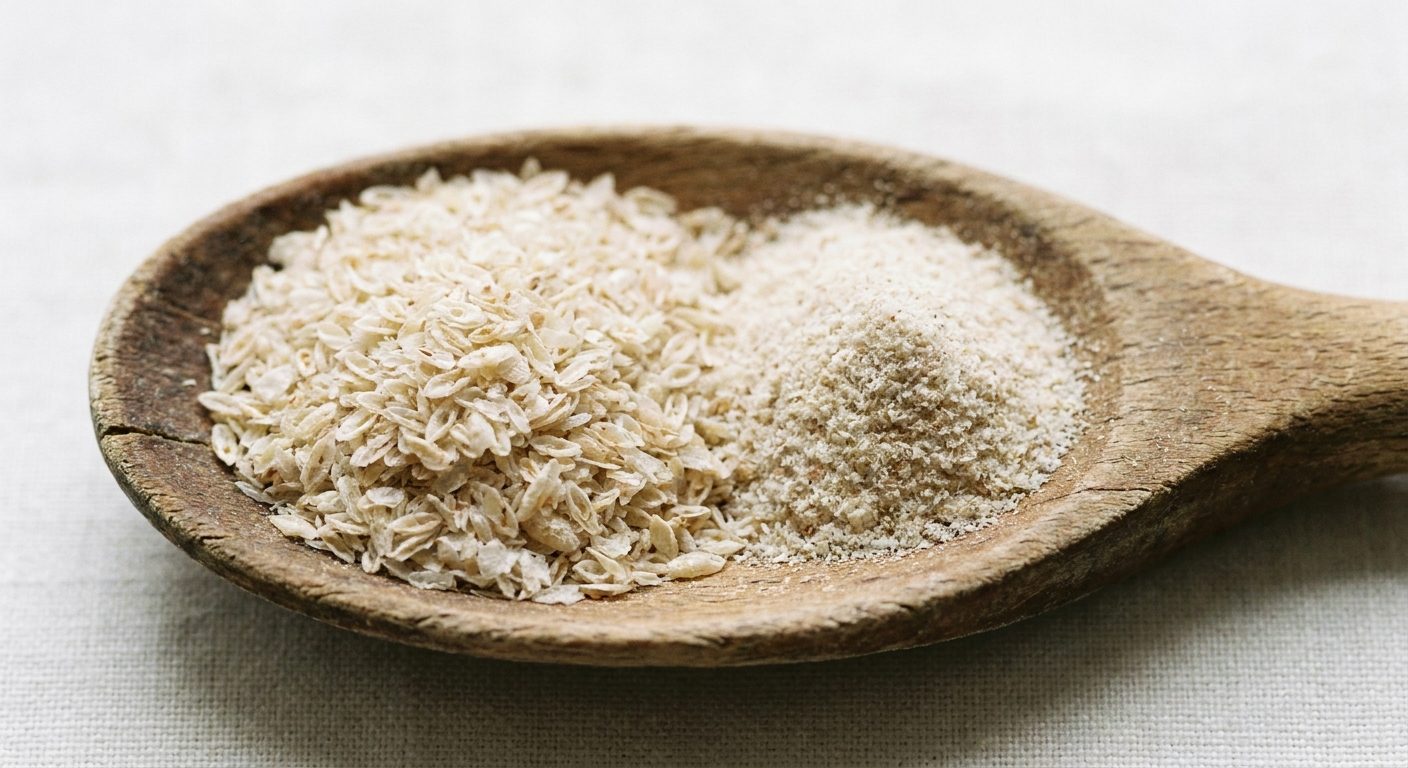
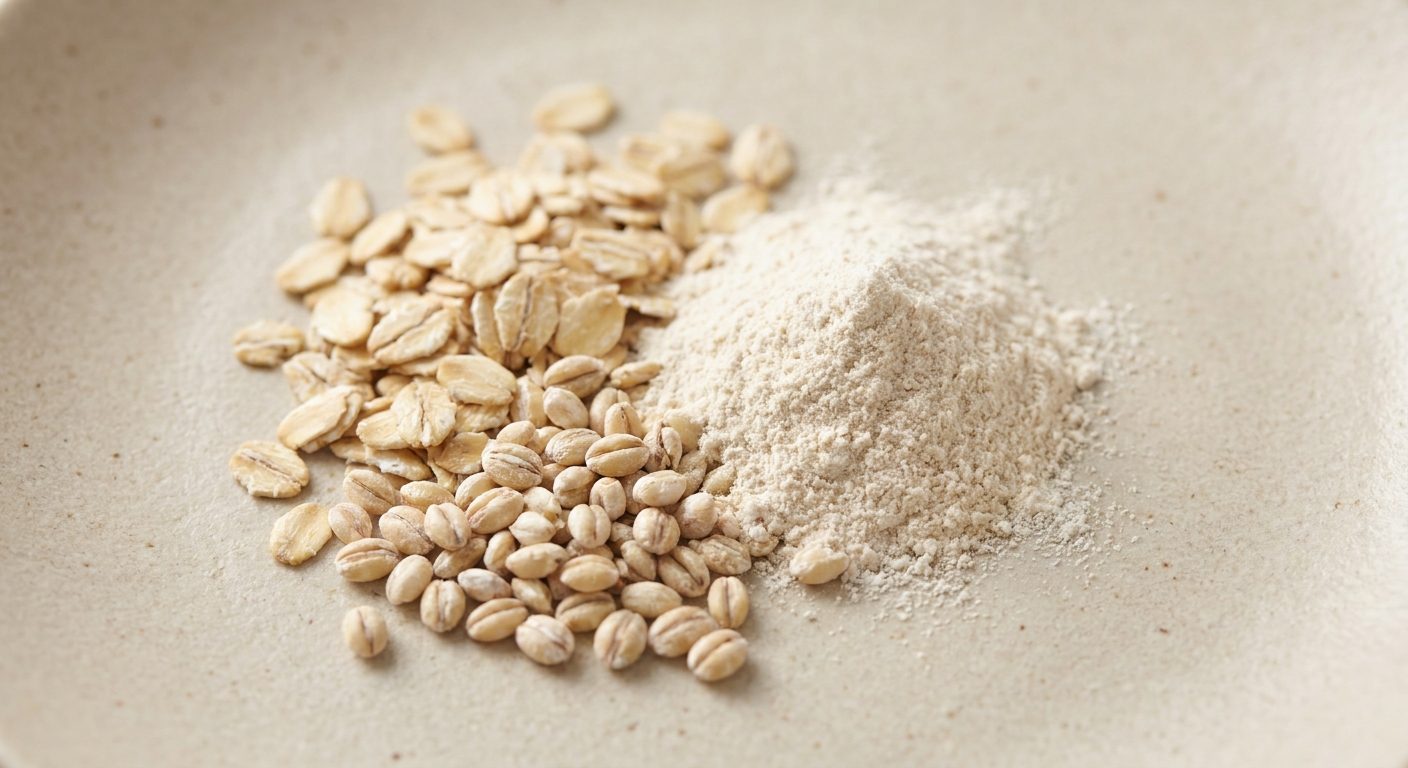
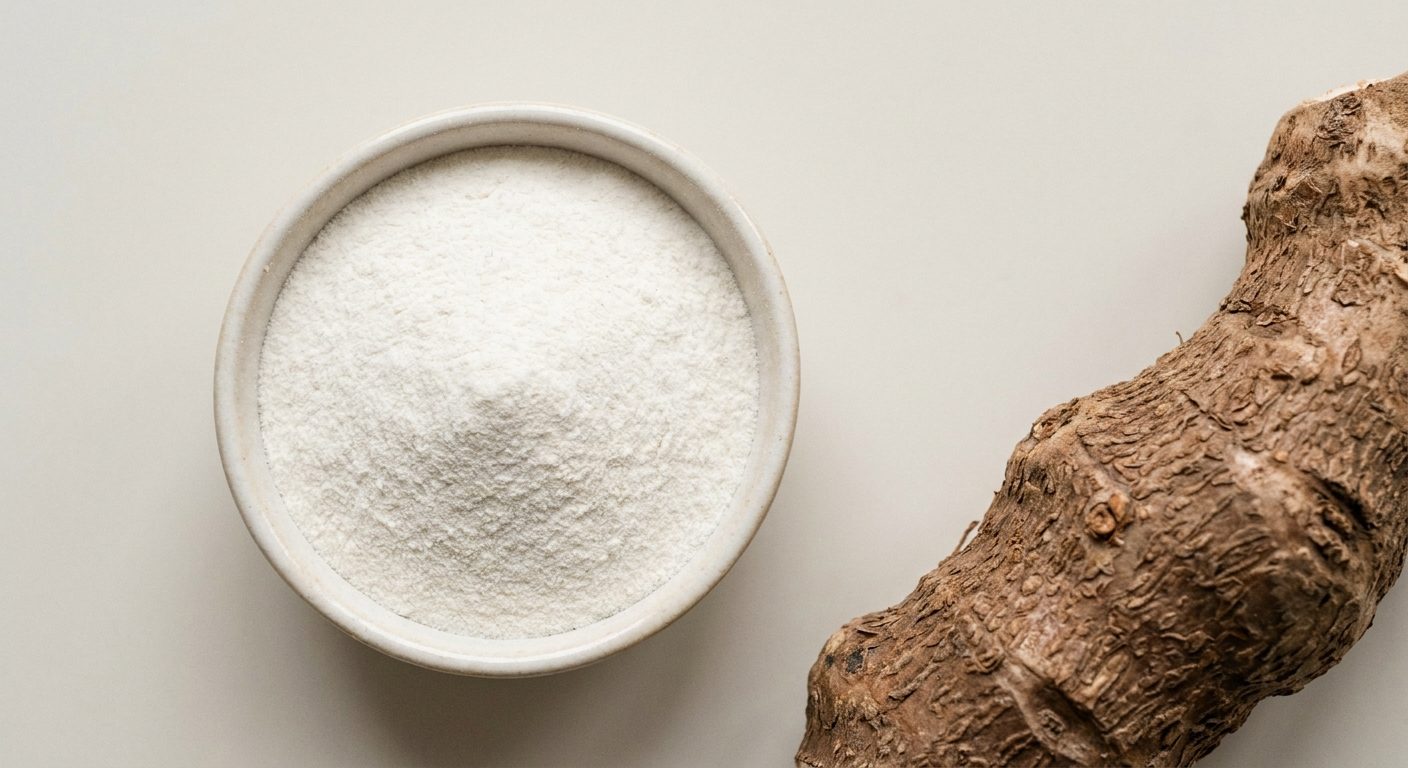
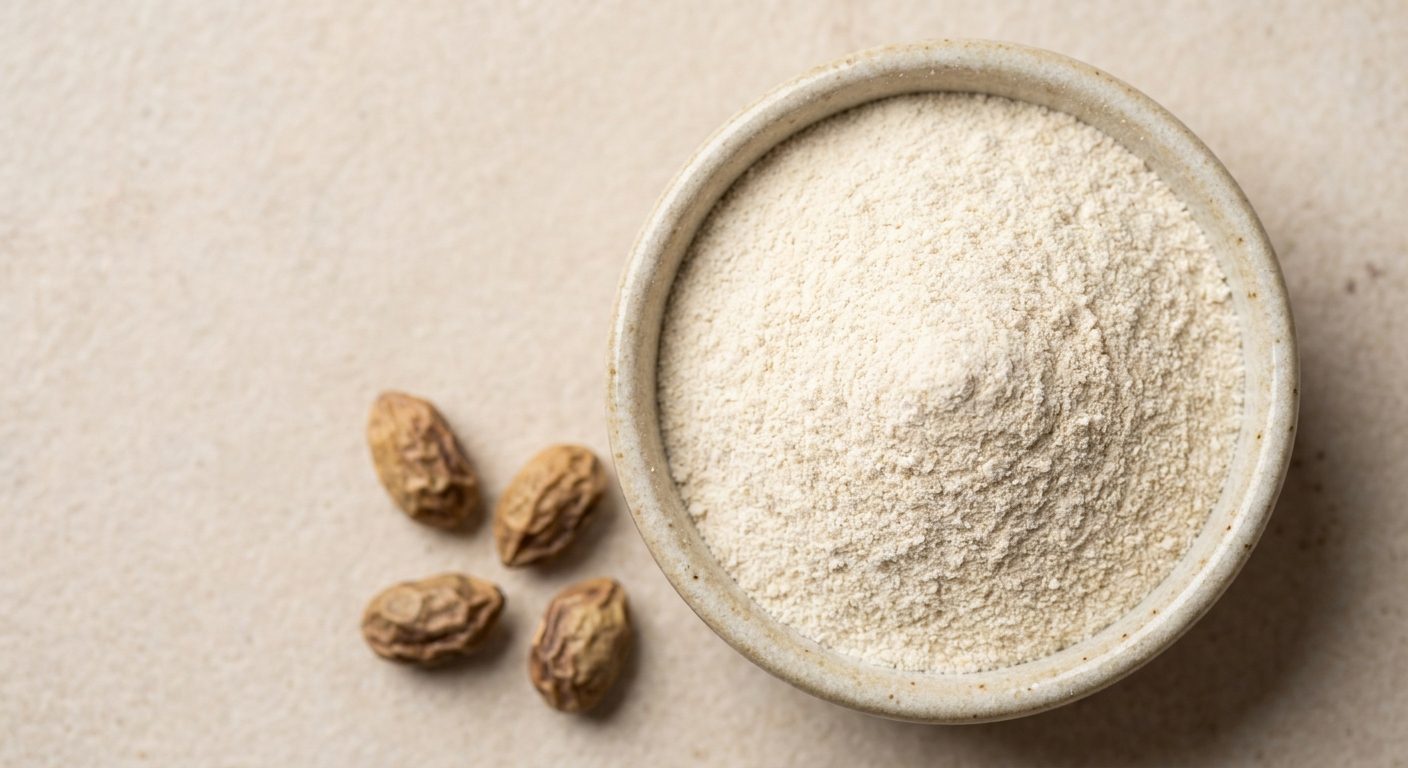
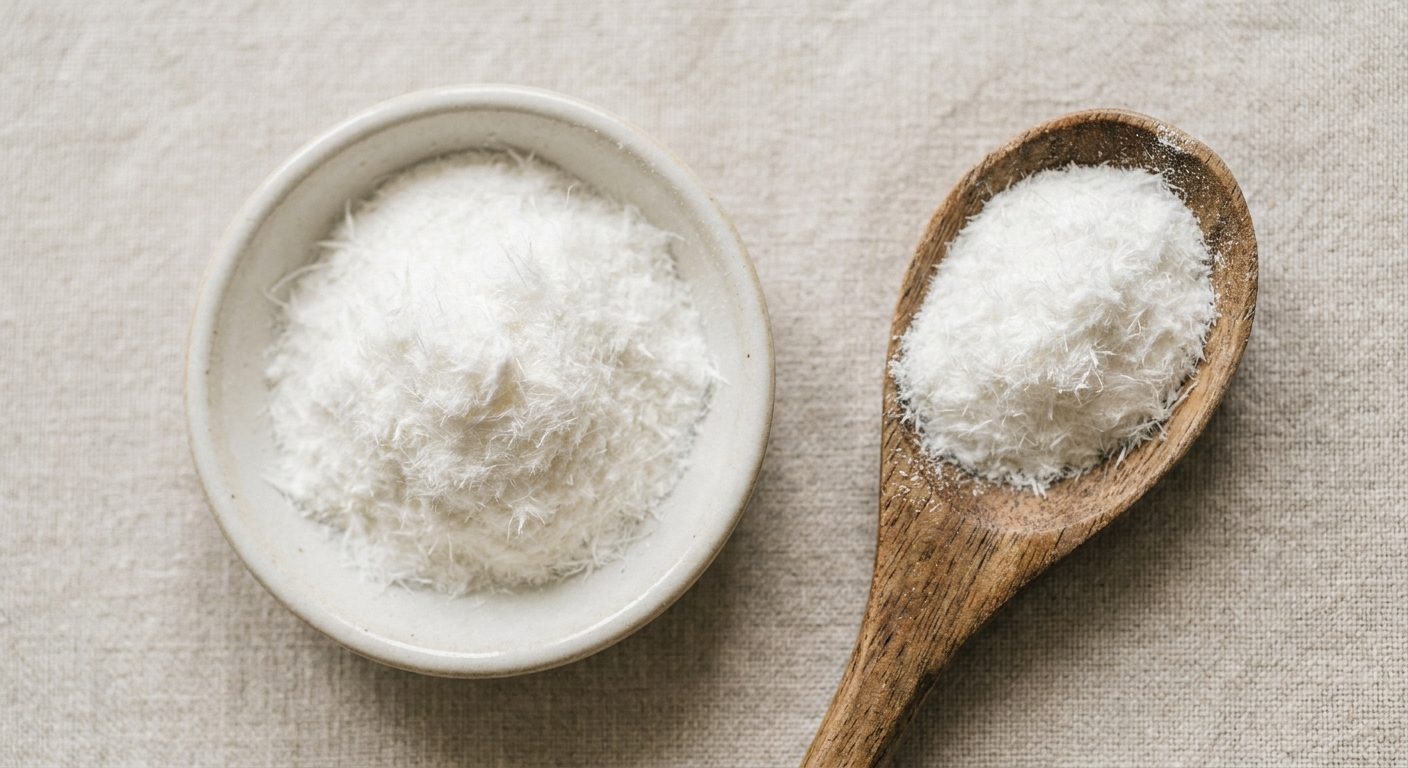
Most people eat about half the fibre they should. Supplements can help close the gap — but the different fibres do quite different jobs. Viscous fibres (psyllium, beta-glucan, glucomannan, pectin) form a gel that lowers cholesterol and blunts blood sugar; prebiotic fibres (inulin, acacia, PHGG) feed the microbiome; bulking fibres (methylcellulose, wheat dextrin) mainly aid regularity; and resistant starch is a butyrate factory for the colon. Here’s the honest guide, fibre by fibre.
The essentials
- Food first: legumes, oats, wholegrains, fruit and veg beat any powder — aim ~30 g fibre/day.
- Match the fibre to the goal: cholesterol/blood sugar → viscous; regularity → bulking; gut flora → prebiotic.
- Go slow and drink water — ramping up too fast is the usual cause of gas, and viscous powders need fluid.
Viscous & soluble — cholesterol, satiety, blood sugar
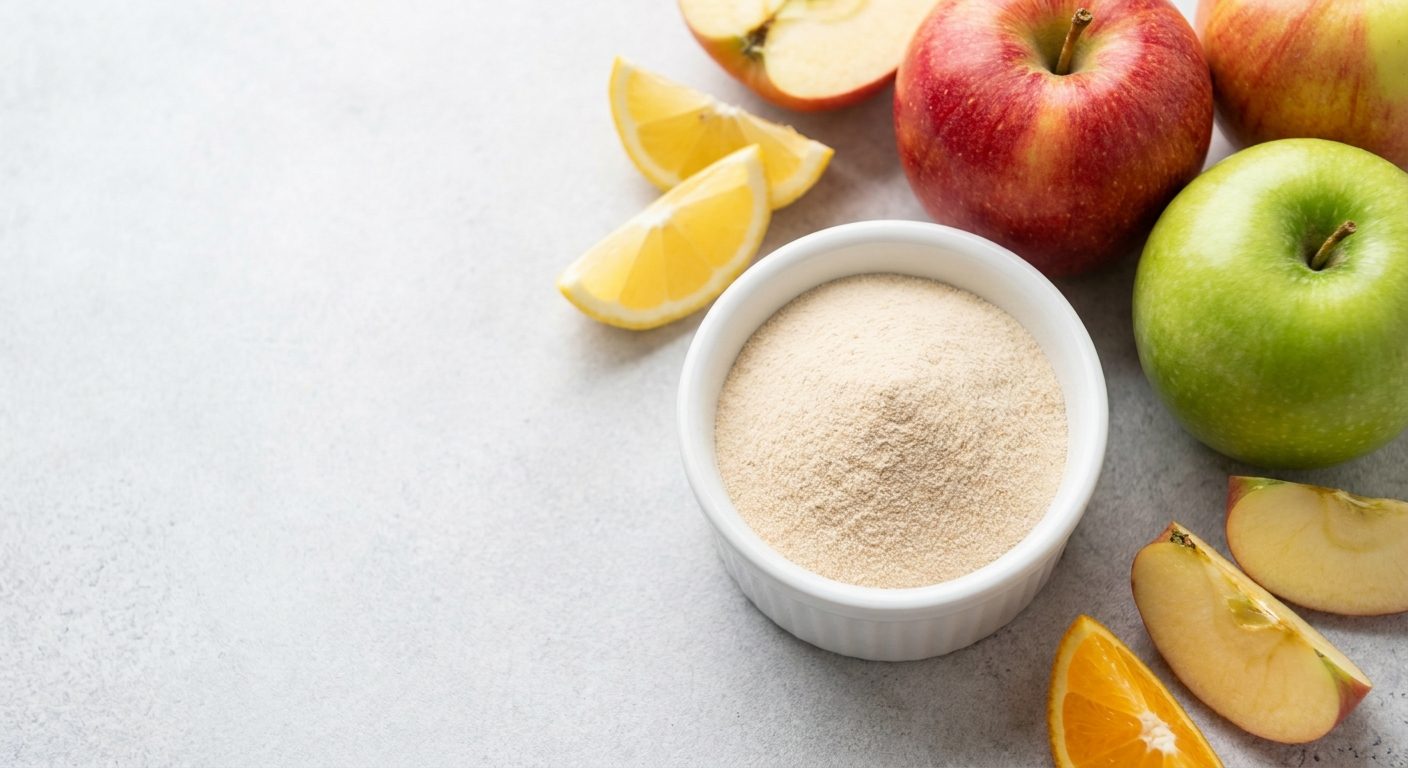
Prebiotic — feed the microbiome
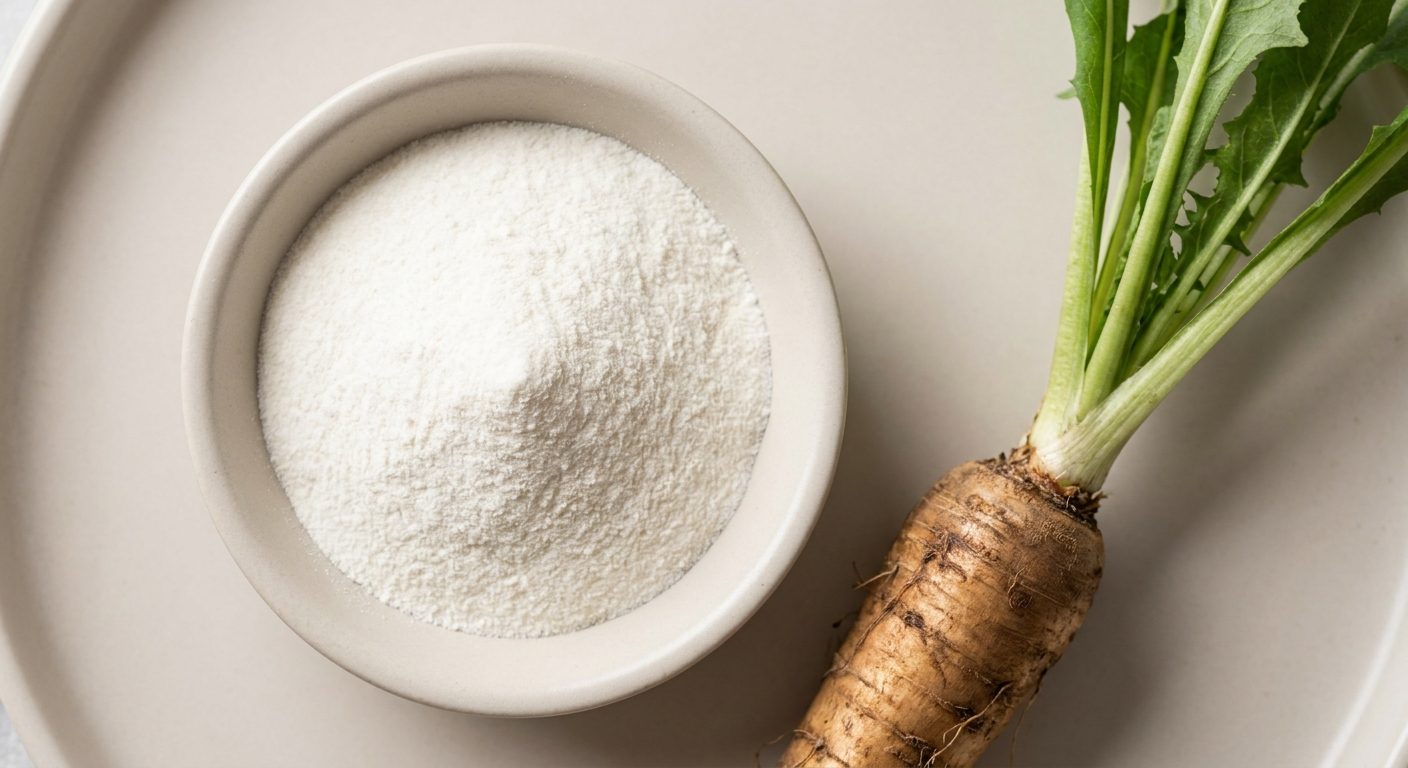
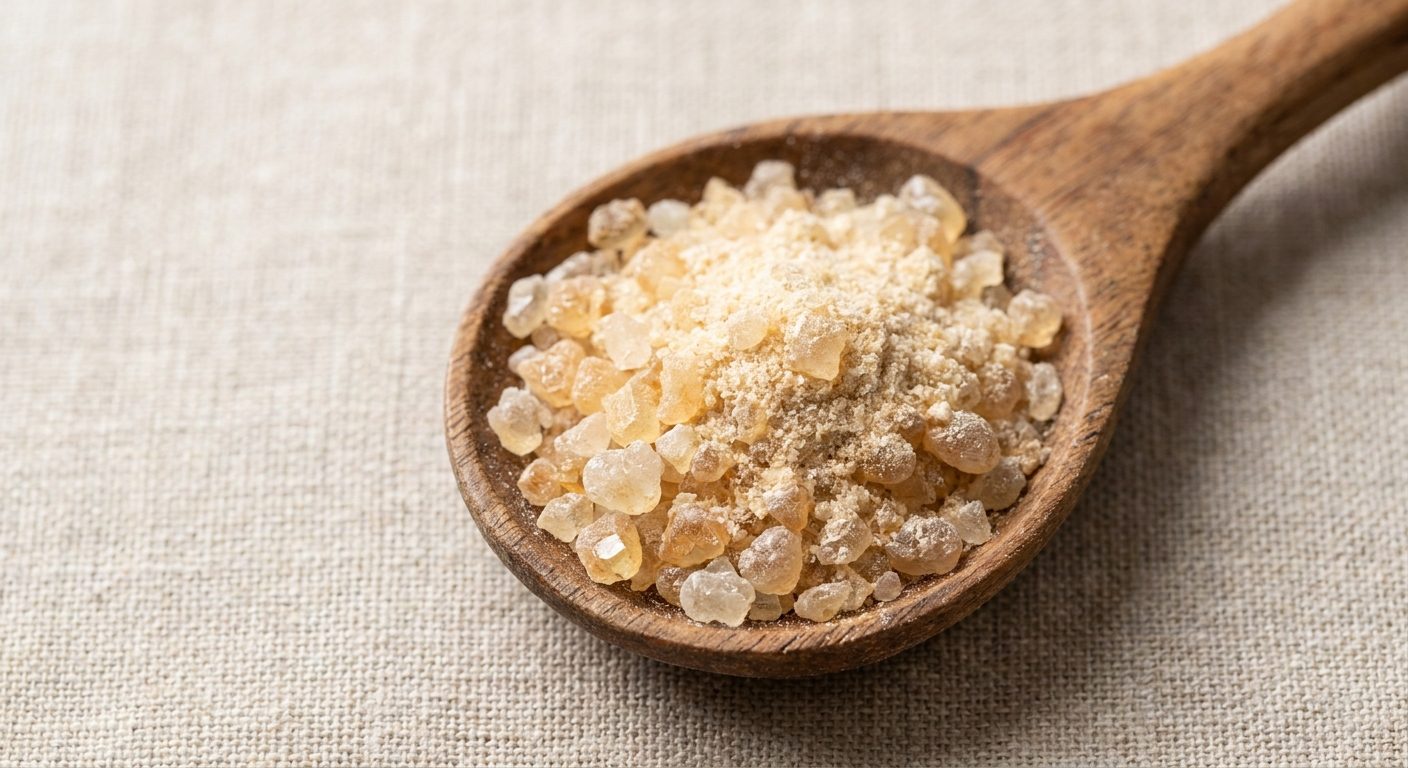
Bulking & other
Educational content, not medical advice.