FoodsLegumesPlant proteinFibre
Legumes — beans, lentils, chickpeas and peas — combine plant protein, soluble fibre, resistant starch, folate, iron, magnesium and potassium at a very low cost. They lower LDL cholesterol, steady blood sugar, and one landmark study across five populations found legume intake was the single strongest dietary predictor of survival in older people — about a 7–8% lower risk of death for every 20 g eaten per day.1 They're also a cornerstone of the world's longest-lived "Blue Zone" communities.
How much? Aim for at least 3–4 servings a week, and daily is even better (a serving ≈ 4 heaped tablespoons / ~80 g cooked). Tinned beans and lentils are just as nutritious as dried, and count toward your 5-a-day. Build up gradually if you're not used to them, to let your gut adjust.
Why they're so good
Cholesterol: a meta-analysis of randomised trials found that eating pulses lowers LDL ("bad") cholesterol — roughly a 5% drop, mainly via their soluble fibre.2
Blood sugar & heart: their low glycaemic index and fibre improve blood-sugar control, and higher legume intake is linked to lower rates of heart disease and diabetes.3 The fibre and resistant starch also feed the gut microbiome.
Protein & planet: a cheap, filling protein with a tiny environmental footprint — the best-value swap you can make for some of your meat.
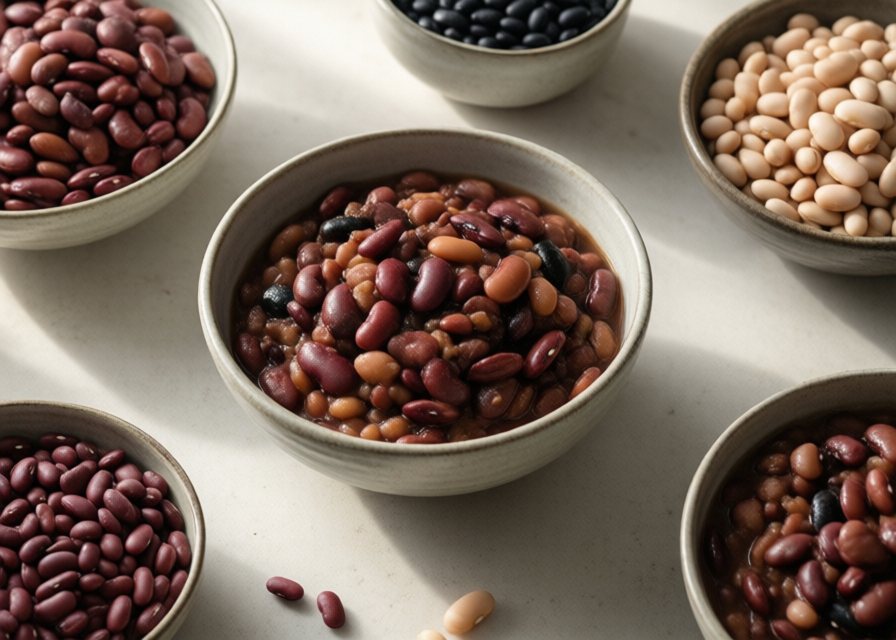
Beans
The range: kidney, black, cannellini, borlotti, pinto, haricot (baked beans). Around 8–9 g of protein and 7 g of fibre per 100 g cooked, plus iron and folate.
Good for: bulking out stews, chillis, soups and salads — filling and satiating for very few calories. Tinned are convenient; rinse to cut sodium. Even baked beans count (pick reduced-sugar/salt).
Note: plant iron (non-haem) is absorbed better alongside vitamin C — a squeeze of lemon or some peppers helps.
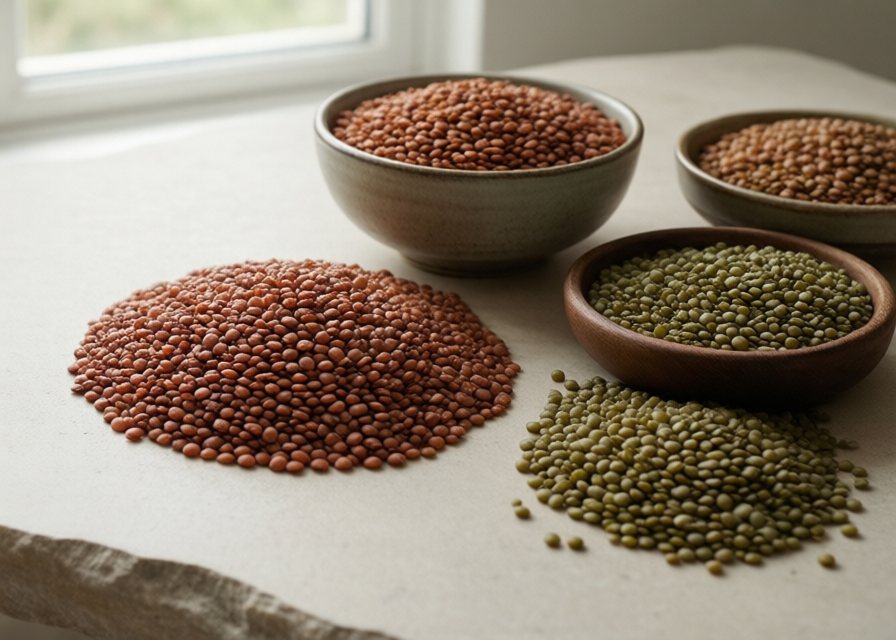
Lentils
Why they're easy: red, green, brown and Puy lentils cook in 15–25 minutes with no soaking. High in protein, fibre, iron and folate, with a low glycaemic impact that makes them excellent for steady energy.
Good for: the simplest entry point to legumes — red lentils melt into dhals, soups and Bolognese; green/Puy hold their shape for salads.
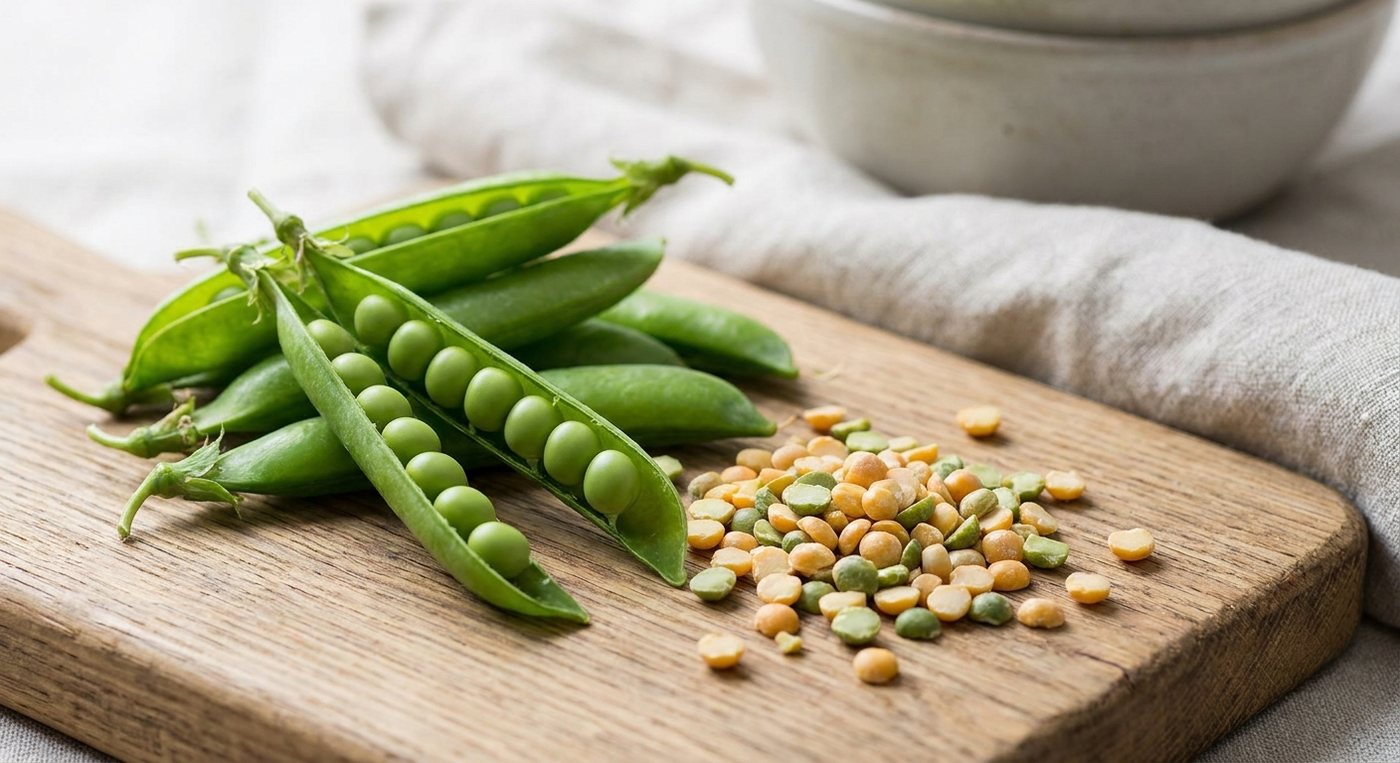
Peas & chickpeas
Chickpeas (garbanzo): firm and nutty, the base of hummus and falafel, great roasted or in curries and salads. Similar protein and fibre to beans, plus manganese.
Peas: green peas, split peas and mangetout are a handy freezer protein-and-fibre boost — frozen peas keep their vitamin C well and go into almost anything.
Lectins & "anti-nutrients"
The one real rule: raw or undercooked red/white kidney beans contain a lectin (phytohaemagglutinin) that causes nausea and vomiting. Dried kidney beans must be soaked, then boiled hard for at least 10 minutes. Tinned beans are already cooked and safe.4
The overblown bit: "anti-nutrient" scare stories about lectins and phytates reducing mineral absorption are largely exaggerated for anyone eating a varied diet. Normal cooking deactivates the harmful lectins, and phytates even have some antioxidant benefits. The populations who eat the most legumes are among the healthiest and longest-lived on Earth — that tells you where the balance of evidence lies.
Gas: the fibre and oligosaccharides can cause wind at first. Soaking, rinsing tinned beans, and building up gradually all help; your gut adapts within a couple of weeks.
At a glance
| Legume | Stands out for | Best for |
|---|---|---|
| Kidney/black beans | Protein, fibre, iron | Chillis, stews — cook well |
| Cannellini/haricot | Creamy, soluble fibre | Soups, baked beans |
| Lentils (red/green) | Fast, no soaking, low GI | Dhal, soups, salads |
| Chickpeas | Versatile protein | Hummus, curries, roasting |
| Peas/split peas | Convenient veg-protein | Freezer staple |
Sensible cautions: always cook dried kidney beans thoroughly (soak + hard boil). Introduce legumes gradually to avoid wind. A small number of people are allergic (e.g. to lupin, or peanuts — botanically a legume). Rinse tinned pulses to reduce salt. Otherwise these are among the safest, most beneficial foods you can eat.
The takeaway: legumes are arguably the highest value-for-effort food in nutrition — cheap, filling, sustainable, and backed by real evidence for lower cholesterol, steadier blood sugar and longer life. Aim for a serving most days, mix beans, lentils and chickpeas through the week, cook dried kidney beans properly, and don't let the exaggerated "lectin" talk put you off the food group the world's longest-lived people rely on.
References
- Darmadi-Blackberry I, et al. Legumes: the most important dietary predictor of survival in older people of different ethnicities. Asia Pac J Clin Nutr, 2004. pubmed.ncbi.nlm.nih.gov
- Ha V, et al. Effect of dietary pulse intake on established therapeutic lipid targets for cardiovascular risk reduction: a systematic review and meta-analysis of randomized controlled trials. CMAJ, 2014. cmaj.ca
- Afshin A, et al. Consumption of nuts and legumes and risk of incident ischemic heart disease, stroke, and diabetes: a systematic review and meta-analysis. Am J Clin Nutr, 2014. pubmed.ncbi.nlm.nih.gov
- US FDA. Bad Bug Book — Phytohaemagglutinin (kidney bean lectin): dried red kidney beans must be soaked and boiled. fda.gov
This guide summarizes nutrition evidence for education. It is not a substitute for individual medical or dietary advice.