SupplementsAntioxidantsEvidence
“Antioxidant” is one of the most powerful words in supplement marketing. But when isolated antioxidants are put to the test in large trials, the results are humbling — and occasionally worrying. Here is the honest picture, and where a few targeted antioxidants still earn their place.
Key takeaways
- A Cochrane review of 78 trials (~296,000 people) found antioxidant supplements did not lower mortality — and beta-carotene, vitamin A and vitamin E may raise it.1
- High-dose vitamin C + E can blunt the adaptations to exercise (mitochondrial biogenesis) — a real downside for athletes.2
- Some free-radical activity is useful signalling; mopping it all up with megadoses can backfire.3
- A colourful diet beats pills. A few targeted antioxidants (CoQ10, alpha-lipoic acid) have genuine niche uses.
What antioxidants are
Antioxidants neutralise reactive oxygen species (ROS) — the “free radicals” produced by normal metabolism. Crucially, the body already runs its own powerful antioxidant system (glutathione, superoxide dismutase, catalase), topped up by dietary antioxidants (vitamin C and E, carotenoids, and thousands of polyphenols in plants). ROS aren’t purely “bad” either — they act as signals that drive adaptation, immunity and repair.
The disappointing pill evidence
On paper, swallowing antioxidants to fight ageing and disease sounds obvious. In practice, the large trials have been a let-down.
When they can harm
The popular ones, honestly
Individual antioxidant guides
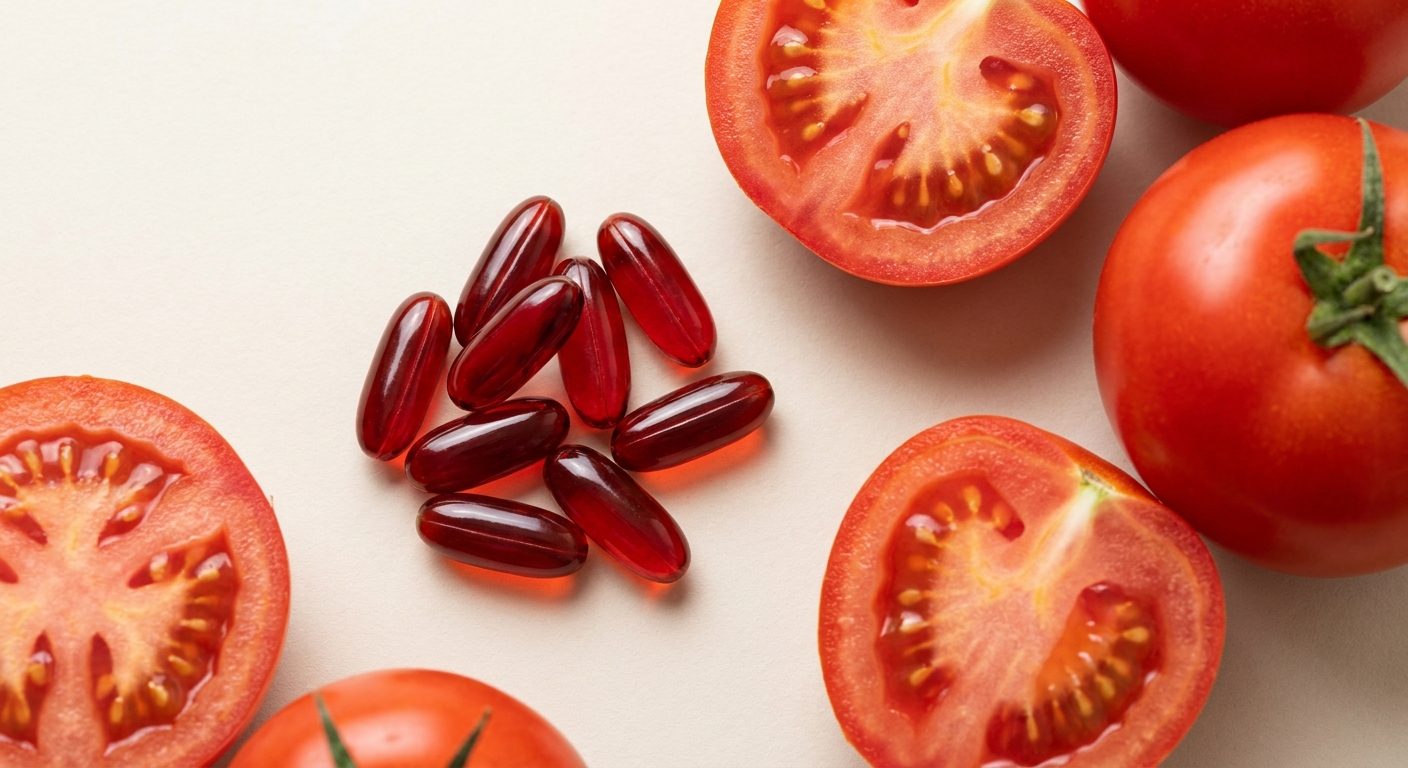
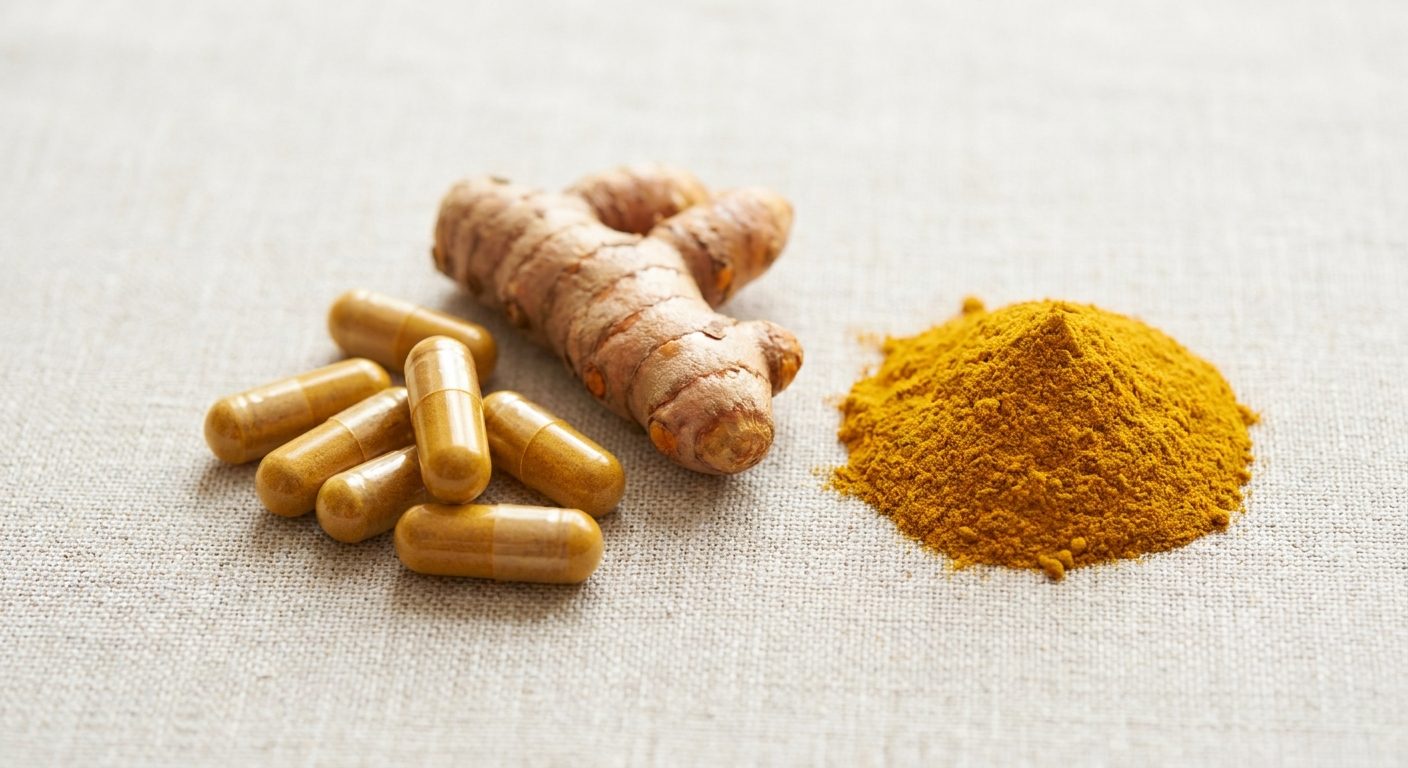
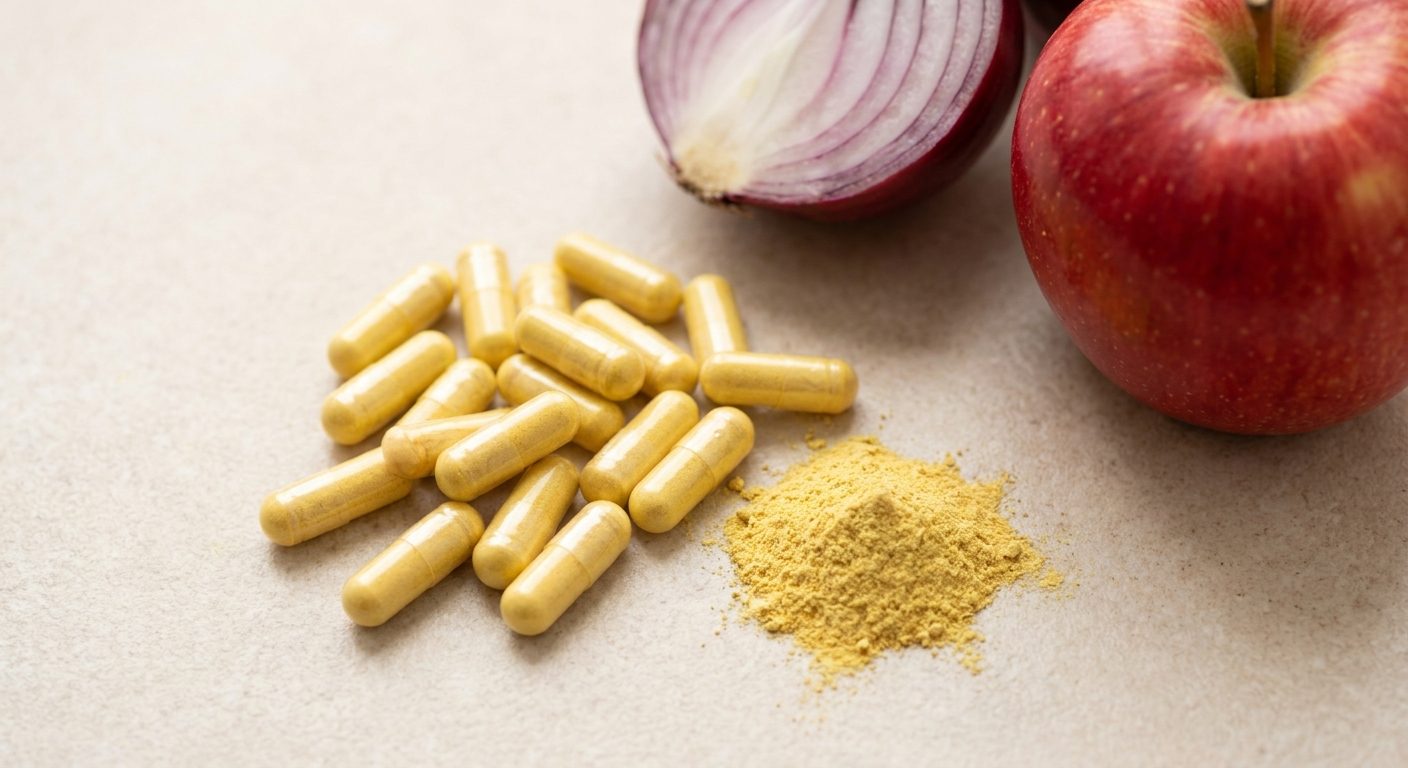
Dedicated, evidence-based pages for each of the popular antioxidant supplements:
How to actually get them
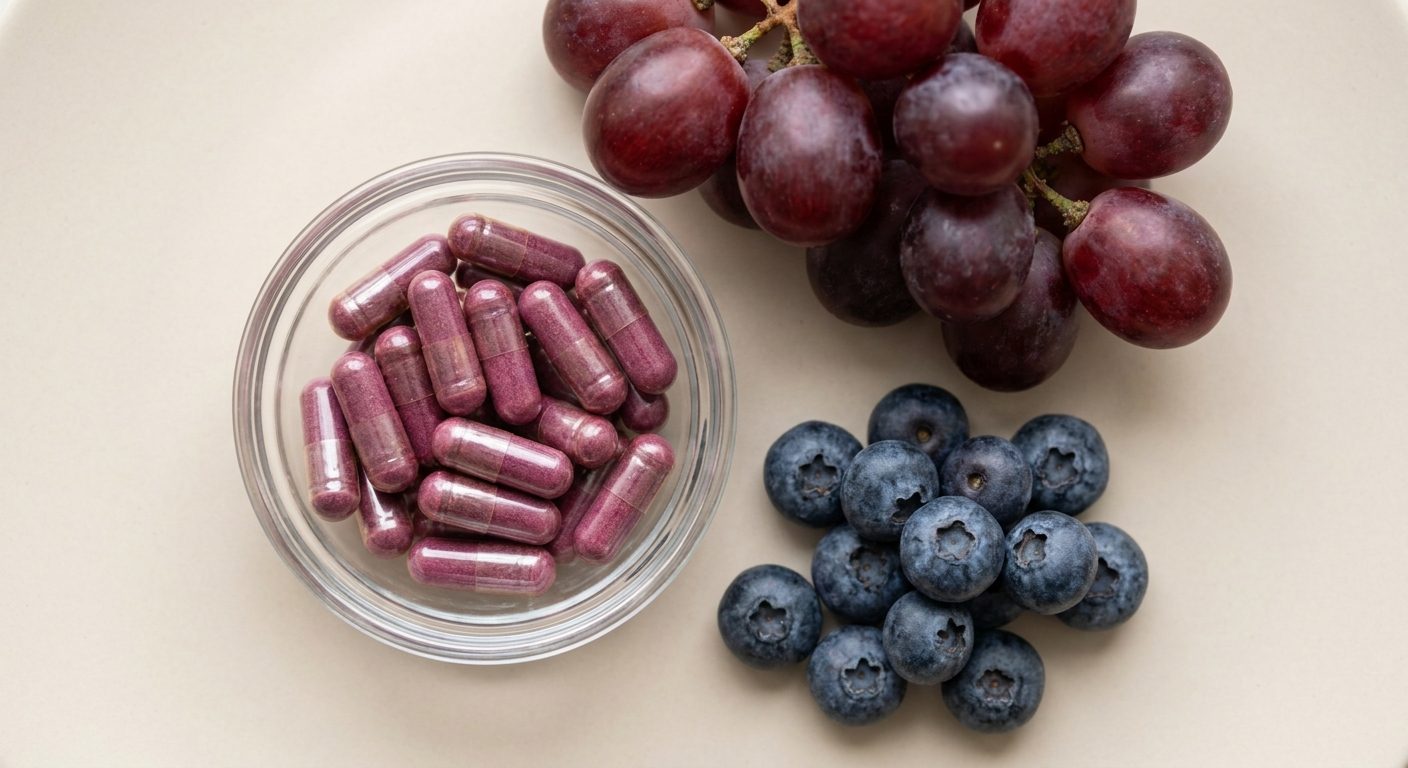
Eat the rainbow. Berries, leafy greens, herbs and spices, colourful vegetables, coffee, tea, cocoa and extra-virgin olive oil deliver a broad, balanced spread of antioxidants in the amounts evolution tuned us for. If you use a targeted supplement (CoQ10, ALA), pick one with a clear reason and a sensible dose — not a shotgun “antioxidant complex” megadose.
References
Adult research summary for education, not a prescription. These are food supplements, not treatments for disease.
- Bjelakovic G, et al. Antioxidant supplements for prevention of mortality in healthy participants and patients with various diseases. Cochrane Database Syst Rev 2012. pmc.ncbi.nlm.nih.gov
- Paulsen G, et al. Vitamin C and E supplementation hampers cellular adaptation to endurance training in humans: a double-blind, randomised, controlled trial. J Physiol 2014. pmc.ncbi.nlm.nih.gov
- Potential harms of supplementation with high doses of antioxidants in athletes. 2022. pmc.ncbi.nlm.nih.gov · See also NCCIH, Antioxidant Supplements: What You Need To Know. nccih.nih.gov
This article summarises nutrition science for education. It is not a substitute for individual medical advice; consult a professional before starting a supplement, in pregnancy, or alongside medication.