SupplementsLongevity & agingMyth-aware
No supplement has been shown to make a human live longer. That sentence should sit at the top of every longevity page and rarely does. What the science actually offers is a set of compounds that do interesting things in mice, in petri dishes, or to a blood marker — and a much shorter list of boring interventions that genuinely predict a longer, healthier life. The trick to spending your money and attention well is telling those two apart, and not confusing “raises a molecule linked to aging” with “slows your aging.”
Read this first
- The gap that matters: several of these reliably shift a biomarker (NAD+, autophagy markers) but have never been shown to change a real aging or longevity outcome in people.
- Most-discussed: NAD+ boosters (NMN / NR) — they raise blood NAD+, full stop; the benefit-to-you part is unproven.
- Early & interesting: spermidine (autophagy, mostly observational), and the senolytics fisetin and quercetin (mostly mouse data). Resveratrol is the famous one that largely didn’t pan out.
- What actually has the evidence: exercise, enough protein, sleep, not smoking and a decent diet — see the note at the foot of this page.
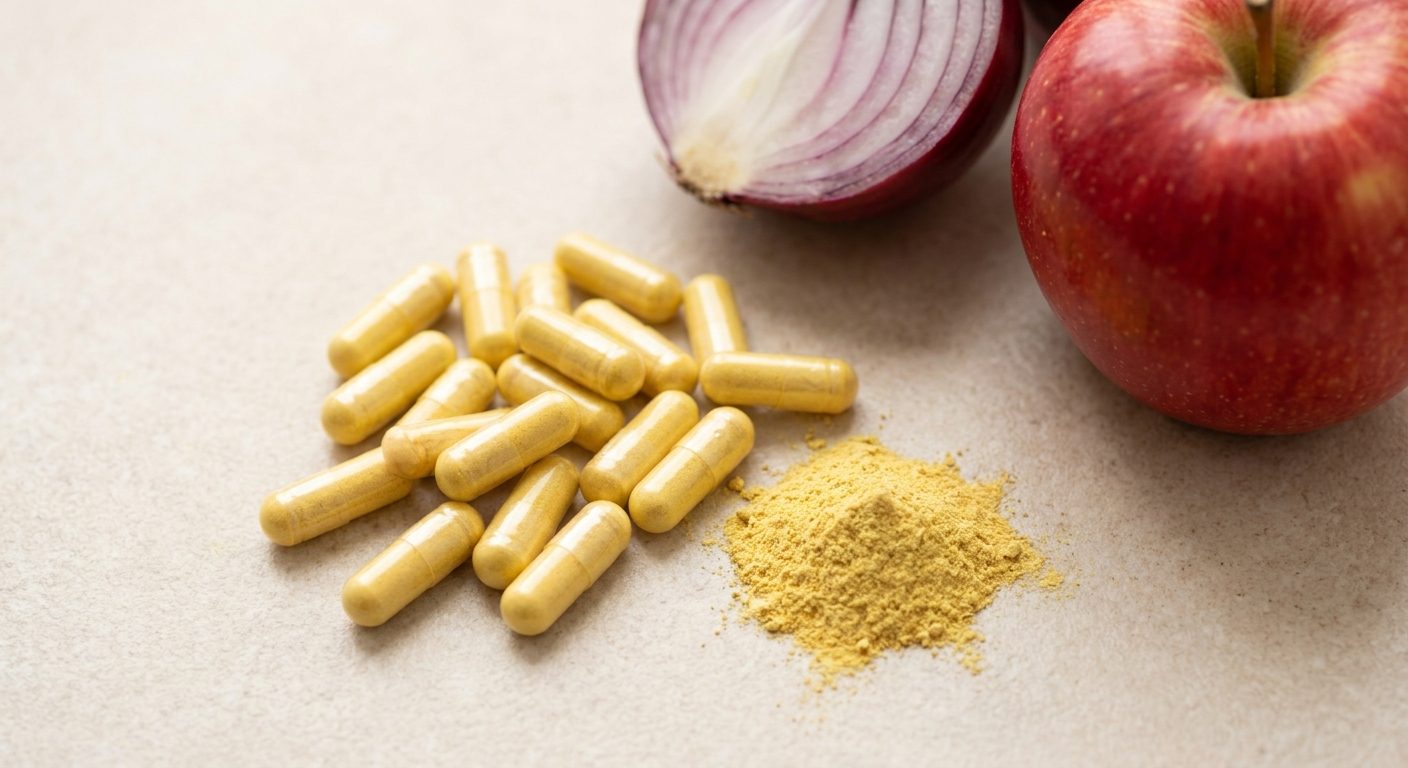
NAD+ boosters — the marker moves, the benefit doesn’t (yet)
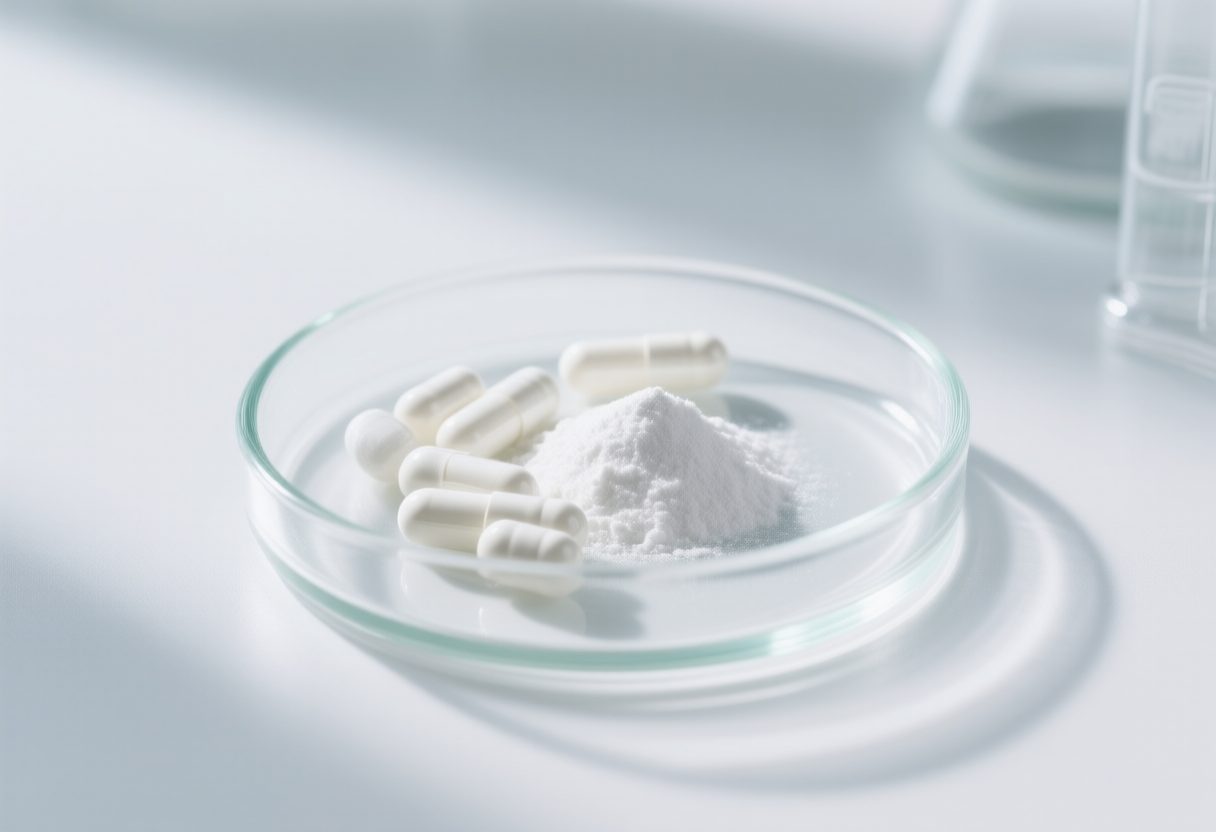
NMN and NR are the headline act. NAD+ is a coenzyme central to energy metabolism that falls with age, so the logic — top it back up — is seductive, and unlike most of this shelf it half-delivers: both compounds demonstrably raise NAD+ in human blood. The problem is the second half. The human trials are small, short and measure biomarkers, not outcomes; none has shown that the extra NAD+ makes people age more slowly, think better or live longer. Add the regulatory mess — the FDA now treats NMN as an investigational drug, not a supplement — and the honest summary is: proven to move a number, unproven to help you.
Autophagy & senolytics — interesting, early
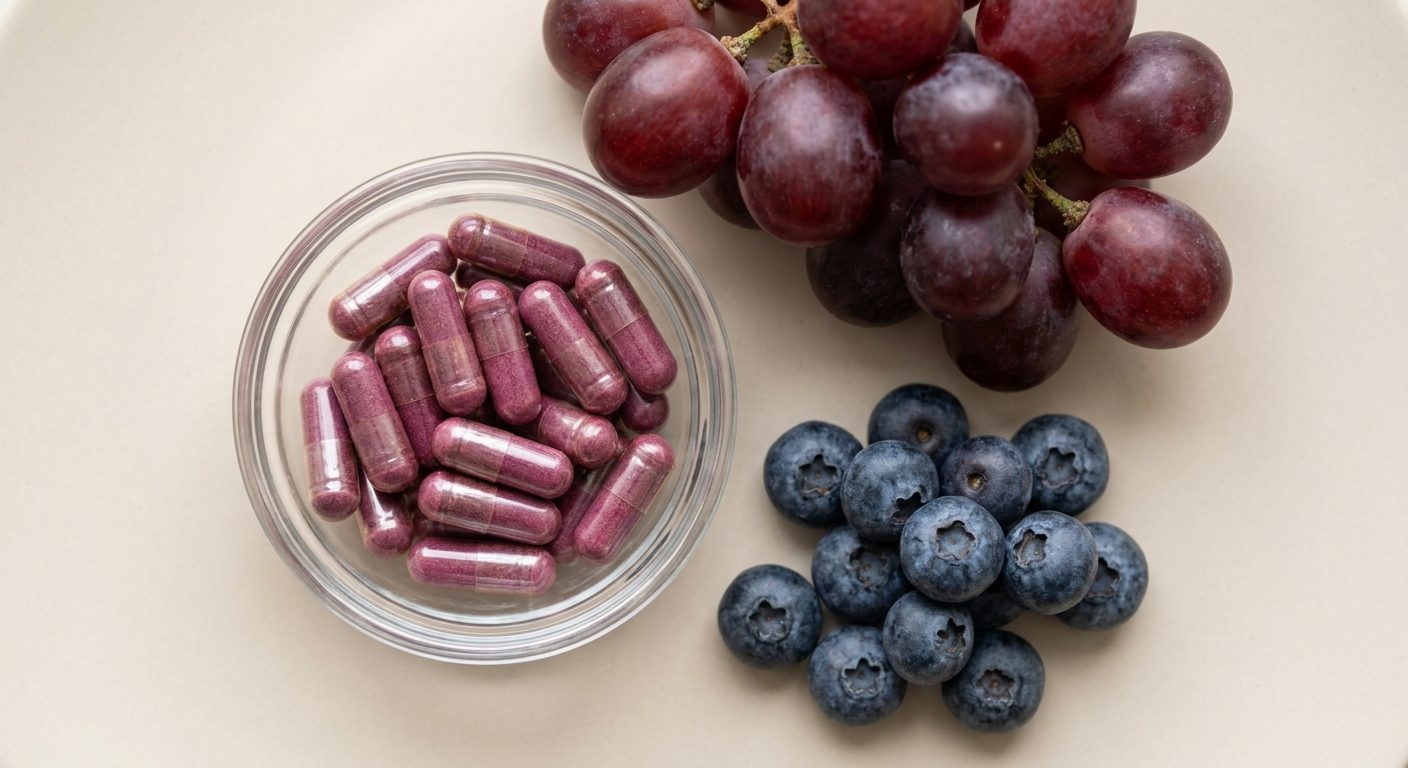
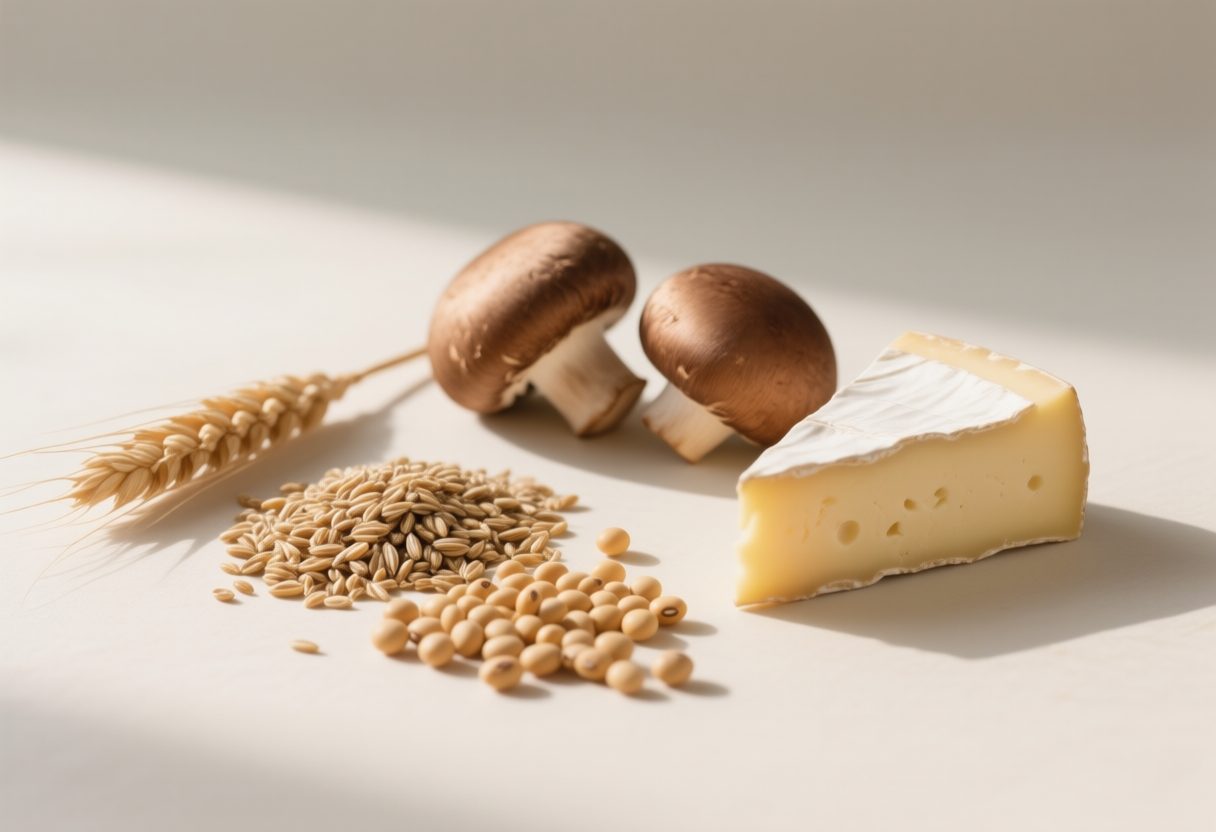
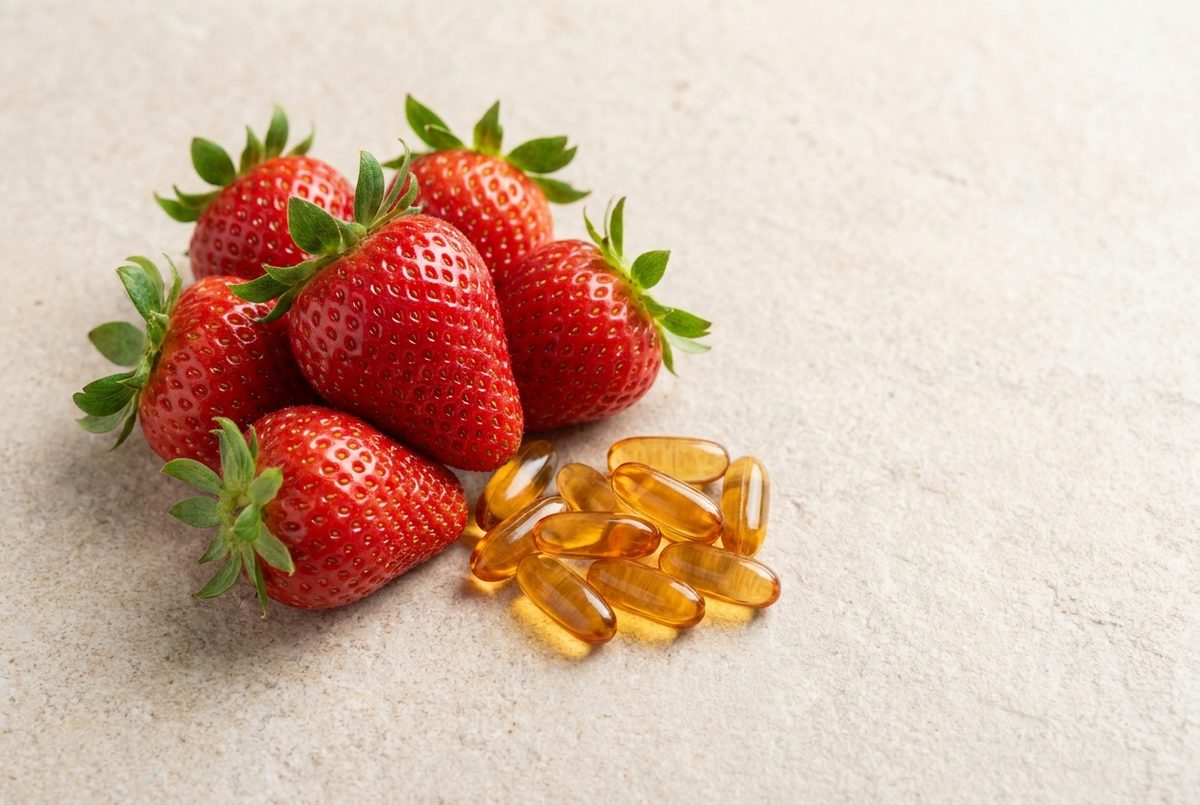
Spermidine triggers autophagy, the cell’s recycling programme, and people who eat more of it (wheat germ, mature cheese, soy, mushrooms) show lower mortality in observational data — suggestive, not proof. The senolytics fisetin and quercetin aim to clear worn-out “zombie” cells; the mouse data are striking and the human data are barely begun. All three are worth watching and none is worth believing the marketing on. And resveratrol is the cautionary tale here: a decade of hype, then trials that mostly failed to deliver — a useful reminder of how often this shelf disappoints.
What actually has the best evidence for healthy aging. It is unglamorous and none of it is on this shelf. Regular exercise — both aerobic and resistance training — is the closest thing we have to a longevity drug. Enough protein to hold onto muscle as you age, good sleep, not smoking, staying socially connected, and a broadly Mediterranean-style diet round out the list. These are backed by decades of hard outcome data — actual disease and death rates — which is more than any capsule on this page can say. Buy the pills if you want to experiment; just do not let them crowd out the things that work.
Educational content, not medical advice. These are food supplements, not anti-aging drugs or treatments for any disease. No supplement is proven to extend human lifespan.