FoodsMushroomsVitamin DErgothioneine
Mushrooms are very low in calories but bring fibre (including beta-glucans), B vitamins, selenium, copper and potassium. Two things make them special: exposed to UV light they make vitamin D — the only item in the produce aisle that does — and they're by far the richest dietary source of ergothioneine, a unique antioxidant linked in cohort studies to lower mortality.2 A savoury, meaty ingredient that's genuinely good for you, once you cut through the "medicinal mushroom" marketing.
How to use them: a handful in stir-fries, sauces, omelettes or as a meat extender several times a week. For a vitamin D boost, buy UV-treated mushrooms or sit ordinary ones gills-up in sunlight for ~15–30 minutes before cooking. Always cook them — better flavour, better digestion, and it breaks down some raw compounds.
The vitamin D trick
Why it's unique: like our skin, mushrooms contain ergosterol that converts to vitamin D2 under UV light. Ordinary shop mushrooms grown in the dark have little, but UV-exposed mushrooms can supply a day's worth of vitamin D in a serving.1
The caveat: mushrooms make D2, which raises blood vitamin D somewhat less efficiently than the D3 from sun or oily fish — but it still helps, and it's one of the few plant-kingdom vitamin D sources, useful for vegans and anyone short on sun.
Ergothioneine — the "longevity" antioxidant
What it is: ergothioneine is an unusual antioxidant amino acid the body can't make but actively transports and holds onto — which has led some scientists to nickname it a possible "longevity vitamin." Mushrooms are overwhelmingly the top dietary source.
The evidence: people who eat more mushrooms tend to have a lower risk of death and of some cancers in cohort studies.2 It's observational, so not proof of cause — but the biology is plausible and the signal points the right way. A good reason to eat mushrooms regularly.
Beta-glucans & fibre
The fibre: mushrooms contain beta-glucans — the same family of soluble fibre found in oats — which support gut bacteria and are studied for cholesterol and immune modulation. It's an area of active research rather than settled fact, but it's a genuine point in mushrooms' favour.
Bonus: almost no calories, so mushrooms add bulk, umami and fibre to a meal for practically nothing — great for bulking out meat dishes or a low-calorie diet.
Everyday mushrooms
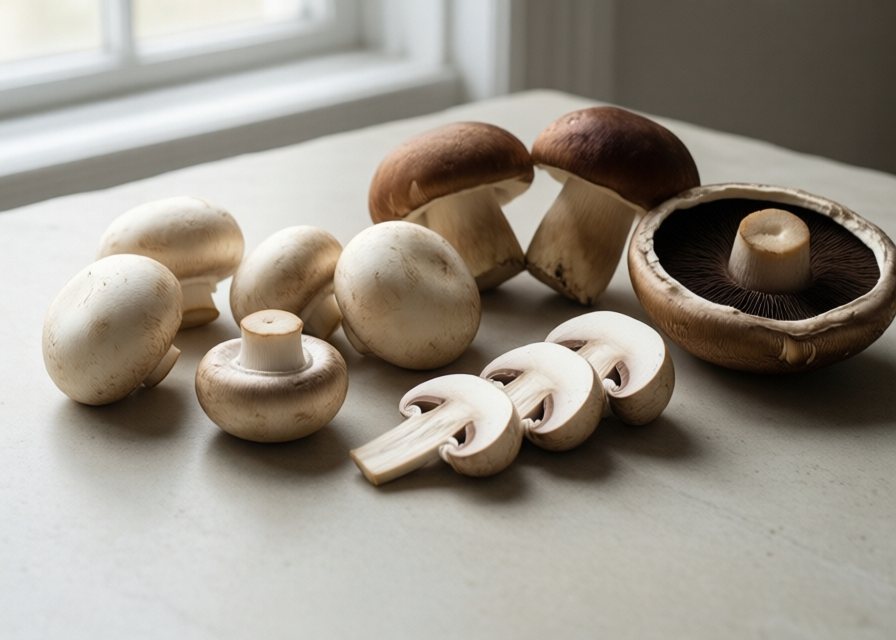
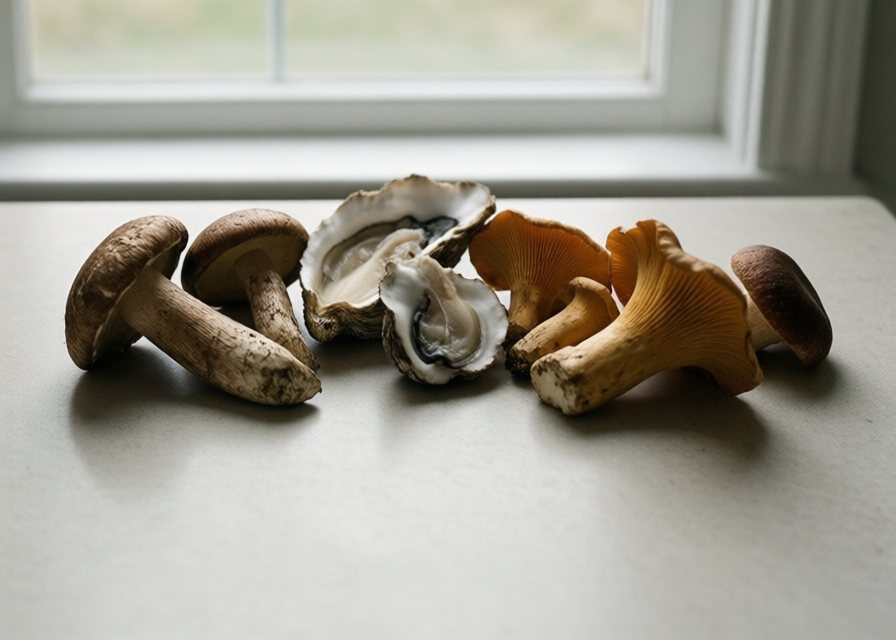
The kitchen staples: white button, chestnut and portobello are the same species at different maturity — cheap and versatile. Shiitake bring deep umami and are well studied; oyster mushrooms are delicate and quick-cooking. All share the low-calorie, ergothioneine-rich profile.
Cooking tip: don't overcrowd the pan — let them brown to develop the savoury flavour, and use them to replace or stretch meat (finely chopped mushroom + mince is a classic way to cut saturated fat).
Medicinal mushrooms — the honest word
The hype: lion's mane (cognition), reishi (immunity/sleep), cordyceps (energy), chaga and turkey tail are marketed hard as supplements with big claims.
The reality: most of the evidence is laboratory or small, short human trials. The strongest case is turkey tail (PSK), used in Japan as an adjunct in some cancer treatments, and there are small promising trials for lion's mane — but nothing that justifies the sweeping "brain-boosting, immune-supercharging" language on the packets.3 Treat them as interesting and low-risk if you enjoy them, not proven remedies — and if you're on medication or unwell, check before taking concentrated extracts.
At a glance
| Feature | What it offers | Evidence |
|---|---|---|
| UV-exposed mushrooms | Vitamin D2 | Well established |
| Ergothioneine | Unique antioxidant | Cohort link to lower mortality |
| Beta-glucans | Soluble fibre, immune interest | Emerging |
| Low calorie / umami | Meat extender, bulk | Clear practical win |
| Medicinal extracts | Claimed cognition/immunity | Preliminary — be sceptical |
Sensible cautions: never forage wild mushrooms without expert identification — some deadly species mimic edible ones. Always cook culinary mushrooms (raw ones are harder to digest and contain small amounts of naturally occurring compounds best broken down by heat). Concentrated "medicinal" extracts can interact with medicines (e.g. blood thinners) — get advice if you take any.
The takeaway: mushrooms are a low-calorie, umami-rich food with two real superpowers — they're the only produce that makes vitamin D (buy UV-treated or sun them yourself) and the richest source of ergothioneine, an antioxidant tied to lower mortality. Eat the everyday kinds several times a week as a meat extender or vegetable. Enjoy the fancy "medicinal" ones if you like them, but keep your expectations grounded — the science there is still early.
References
- Cardwell G, et al. A review of mushrooms as a potential source of dietary vitamin D. Nutrients, 2018. mdpi.com
- Ba DM, et al. Higher mushroom consumption is associated with lower risk of cancer: a systematic review and meta-analysis of observational studies. Advances in Nutrition, 2021. doi.org/10.1093/advances/nmab015
- Venturella G, et al. Medicinal mushrooms: bioactive compounds, use and clinical evidence (turkey tail PSK, lion's mane and others). Int J Mol Sci, 2021. mdpi.com
This guide summarizes nutrition evidence for education. It is not a substitute for individual medical or dietary advice.