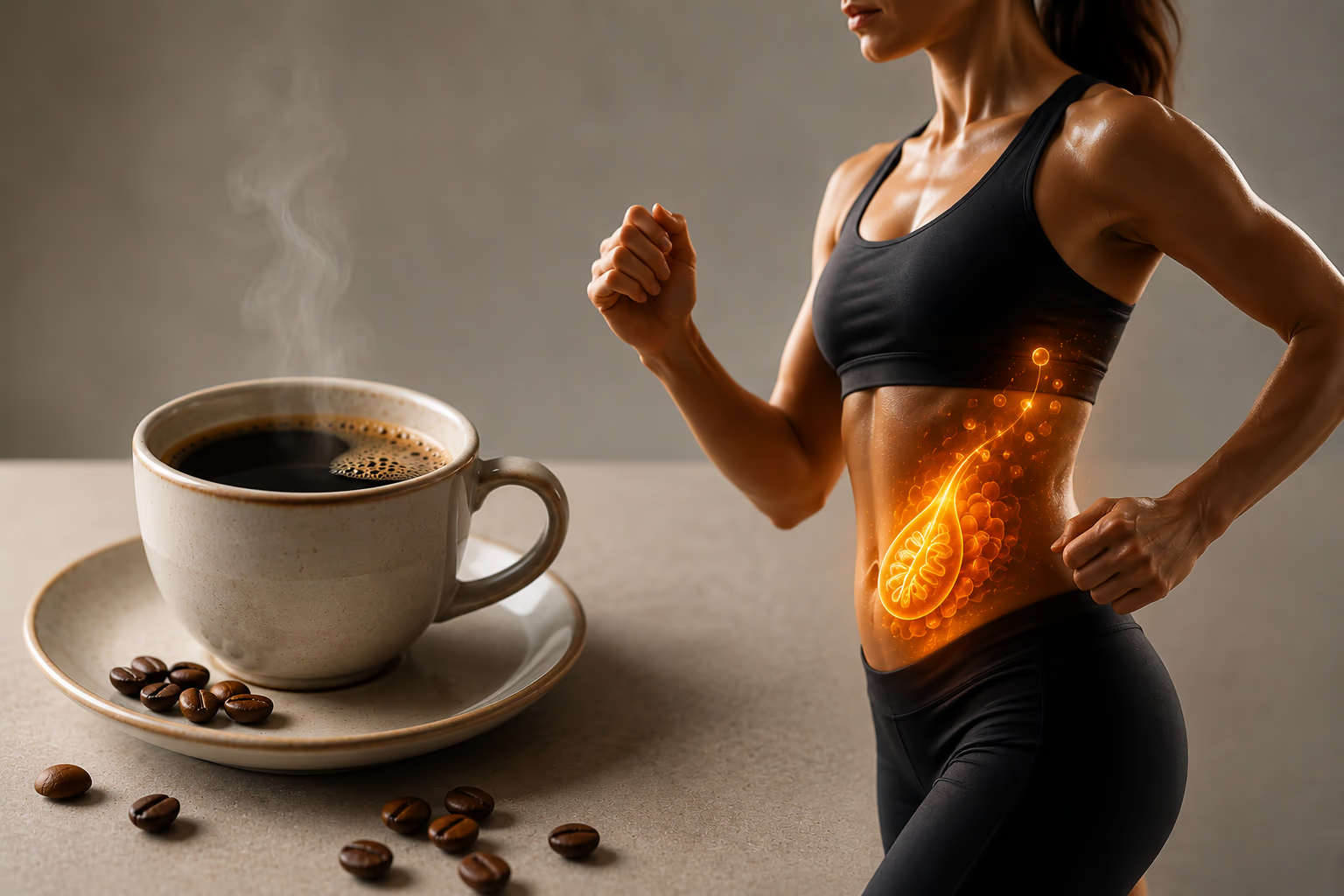
Exploring caffeine's effects. A recent randomized trial published in the Journal of the International Society of Sports Nutrition examined how varying doses of caffeine influence fat oxidation and cardiovascular responses during exercise in overweight and obese female college students. The study involved eleven participants who were assessed under four different conditions: a placebo and three caffeine doses (3, 5, and 9 mg/kg). Each session included a period of rest followed by treadmill walking at an intensity designed to maximize fat oxidation (FATmax).
Key outcomes observed. The results indicated that caffeine at doses of 3 and 5 mg/kg significantly enhanced fat oxidation during exercise compared to the placebo and the highest dose of 9 mg/kg. However, while the 5 mg/kg dose increased heart rate and blood pressure, the 3 mg/kg dose did not exhibit these cardiovascular effects, suggesting a safer option for those concerned about heart strain during physical activity.
No resting effects. Interestingly, caffeine did not alter resting heart rates or fat oxidation levels. This suggests that the benefits of caffeine are more pronounced during exercise rather than at rest. The study also found that carbohydrate oxidation was lower with the 5 mg/kg dose compared to the placebo, indicating a shift in energy utilization towards fat burning.
Implications for exercise. For overweight and obese individuals, especially sedentary female college students, these findings highlight the potential of caffeine as a tool for enhancing fat oxidation during exercise. However, the increased cardiovascular strain associated with higher doses of caffeine raises important considerations for safety and health.
Practical takeaways. If you're looking to optimize fat burning during exercise, a moderate caffeine dose of 3 mg/kg may provide the best balance of benefits without the added cardiovascular risks seen at higher doses. This could be particularly relevant for those starting a new exercise regimen.
Medical note. This article is intended for general educational purposes and should not be considered personal medical advice. Always consult a healthcare professional for personalized recommendations.