What it is. This Lancet review was commissioned by the World Health Organization and pooled evidence from 185 prospective studies and 58 clinical trials. It looked at dietary fiber, whole grains and carbohydrate quality across mortality, heart disease, stroke, type 2 diabetes and colorectal cancer.
What it found. People eating the most fiber had roughly 15-30% lower all-cause mortality and cardiovascular mortality than those eating the least. Higher fiber intake was also linked with lower coronary heart disease, stroke, type 2 diabetes and colorectal cancer. In trials, increasing fiber improved several risk markers: body weight, LDL cholesterol, blood pressure and post-meal glucose handling.
The dose that mattered. The clearest benefits clustered around 25-29 grams of fiber per day, with signs that going higher may help further. That is not an extreme target, but many adults fall well below it. A low-fiber diet can sit under 15-20 grams per day without looking obviously "unhealthy" on the plate.
Why fiber works. Fiber is not one thing. Viscous fibers, such as beta-glucan and psyllium, can lower LDL by binding bile acids. Fermentable fibers feed gut bacteria and produce short-chain fatty acids. Intact whole grains slow digestion and improve satiety. Fiber-rich diets also tend to displace refined starches and ultra-processed foods.
How strong is it? This is one of the sturdier areas in nutrition. It combines long-term observational evidence with clinical trial improvements in intermediate markers. The exact cancer and mortality numbers still come from observational data, but the mechanistic and trial evidence point in the same direction.
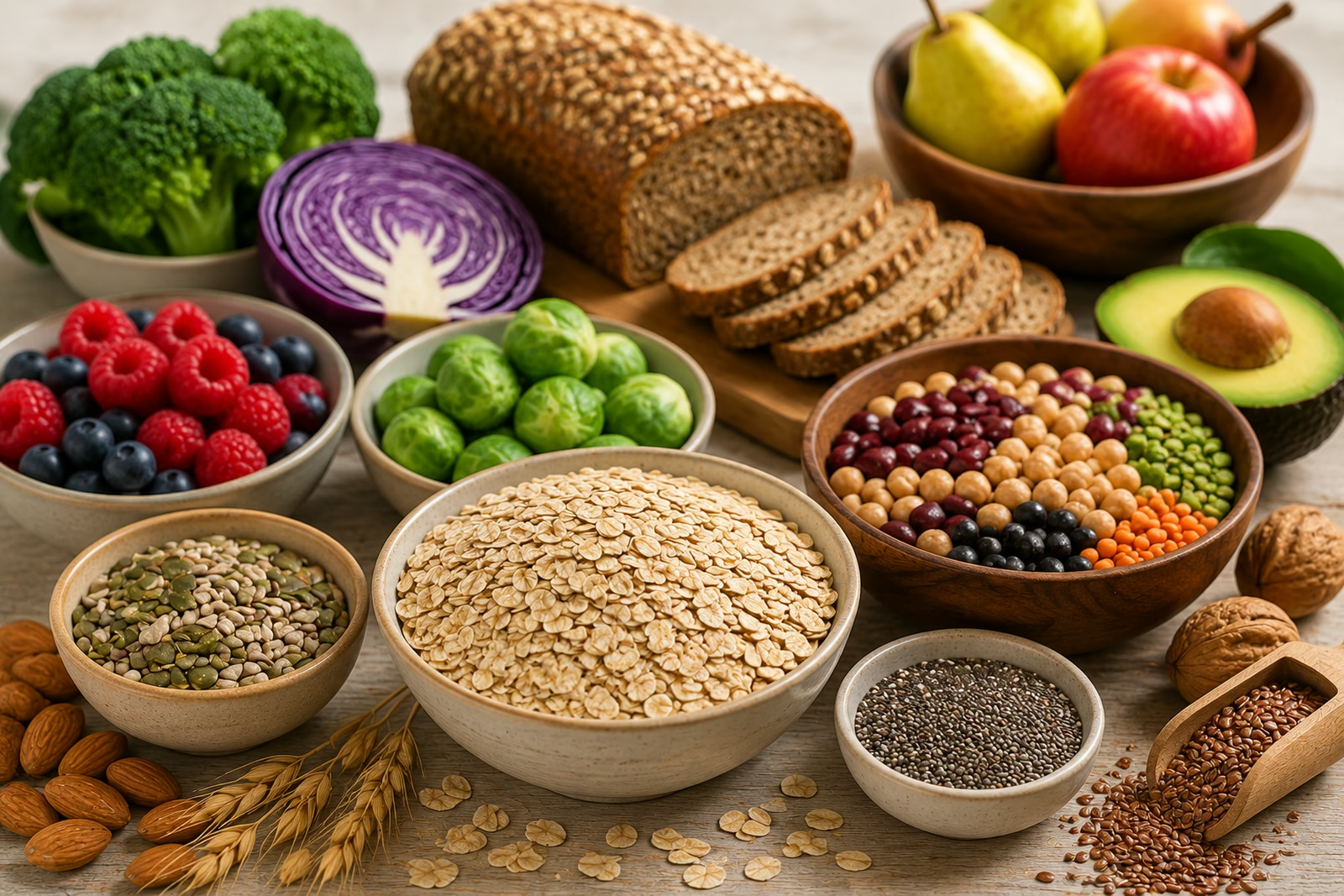
Practical take. Build fiber from foods first: oats, rye, barley, beans, lentils, peas, berries, vegetables, nuts, seeds and whole grains. Increase gradually and drink enough fluid; jumping from very low fiber to very high fiber overnight is a reliable way to get bloating.
Bottom line. Fiber is not glamorous, but it is one of the highest-confidence nutrition levers we have. Aim for at least 25-30 grams per day from whole foods, and treat refined grains as the thing to swap out first.