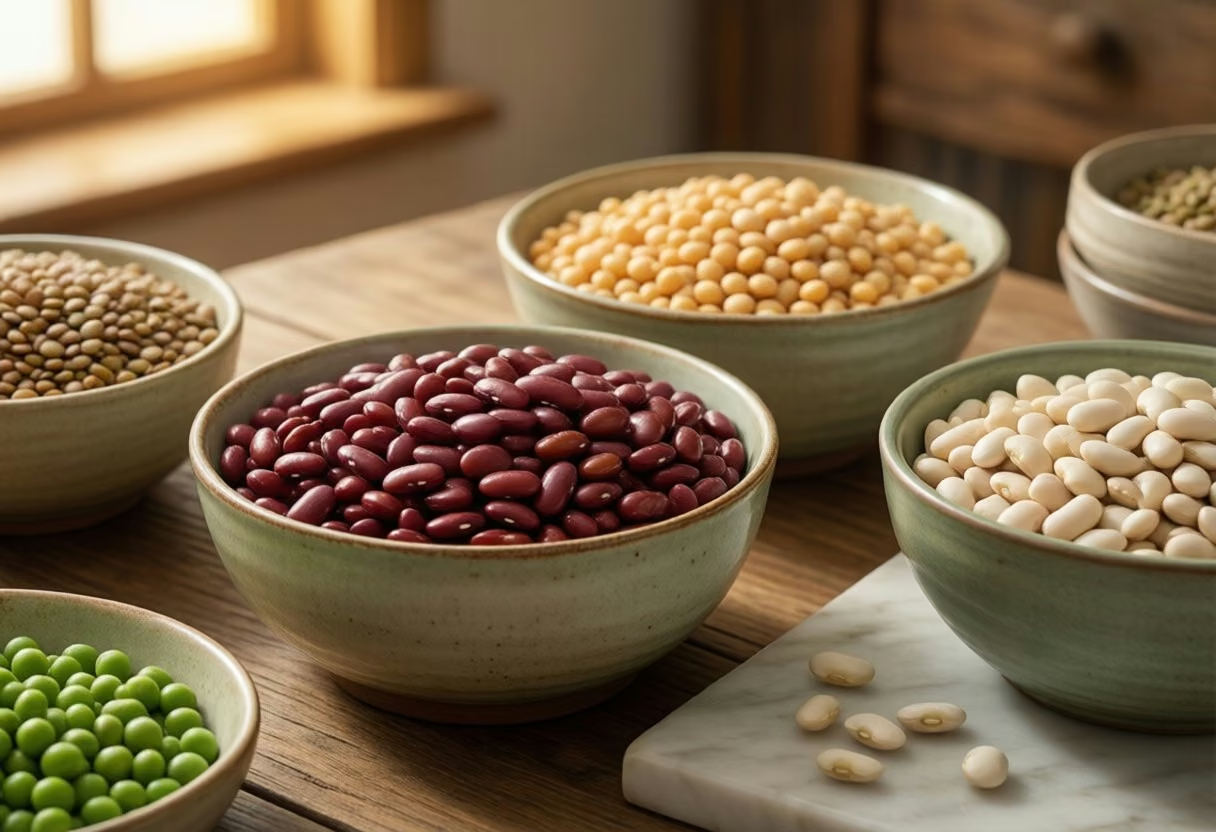
Popular diet books blame lectins, natural proteins in beans, grains, and some vegetables, for weight gain and chronic disease. the science tells a more measured story: a small, real risk that cooking largely solves, wrapped in claims that outrun the evidence. Here is what the research actually supports.
What lectins are. Lectins are carbohydrate-binding proteins found widely in plants, especially in seeds like legumes and grains, where they help defend the plant. Because some can bind to cells in the gut, they are grouped with other so-called "antinutrients," compounds such as phytates, oxalates, and tannins that can, in theory, interfere with digestion or nutrient absorption. That biological activity is real, and it is the kernel of truth behind the concern.
The one genuinely documented danger. The clearest, best-established lectin risk is acute and specific: raw or undercooked kidney beans contain high levels of a lectin called phytohaemagglutinin, which can cause nausea, vomiting, and diarrhea within hours. This is not fringe science; it is a recognized food-safety issue. The crucial point is that it is easily prevented: proper soaking followed by a vigorous boil destroys the lectin. Slow-cookers that never reach a hard boil are the classic culprit, not beans themselves.
The antinutrient effect, in context. Beyond that acute risk, lectins and related compounds can modestly reduce the absorption of some minerals by binding to them. A 2025 comprehensive review in Nutrition Bulletin catalogued these antinutrients across cereals, pulses, seeds, and nuts, and identified legumes as the richest source. But the same review noted two things that matter: standard food preparation, soaking, cooking, sprouting, and fermenting, substantially reduces these compounds, and in a varied, well-cooked diet their effect on nutritional status is usually minor.
What the popular "lectin-free" claim asserts. The best-known version, popularized by the book The Plant Paradox, argues that dietary lectins are a major hidden driver of obesity, inflammation, autoimmune disease, and other chronic conditions, and recommends avoiding a long list of otherwise nutritious foods, including beans, lentils, whole grains, tomatoes, and peppers. It is a sweeping claim, and sweeping claims require strong evidence.
What the evidence actually shows. That strong human evidence is largely missing. A 2020 narrative review in Nutrients examined the science behind lectins and other "antinutrients" and concluded that, for the general population, these compounds do not pose the kind of health threat that would justify avoiding nutrient-dense plant foods. The reasoning that lectins drive chronic disease rests mainly on laboratory and animal studies, not on well-controlled trials in people. Just as importantly, the epidemiology points the other way: the very foods highest in lectins, legumes and whole grains, are among the most consistently linked to lower rates of heart disease, type 2 diabetes, and premature death in large population studies.
The allergy angle, a narrow exception. There is one area where specific lectins genuinely matter for some people: allergy. A 2020 review in Foods found that a handful of plant lectins, such as wheat germ agglutinin and certain legume lectins, can act as food allergens in sensitized individuals. This is a real but limited concern relevant to people with specific plant-food allergies, not a general reason for everyone to avoid these foods.
Nuance the science still owes US. The picture is not entirely one-sided. The 2025 review noted that some antinutrients may also have potential health benefits, and that more human (in vivo) research is needed to understand how these compounds truly behave in the body. In other words, the honest scientific position is not "lectins are harmless" or "lectins are dangerous," but "mostly not a problem when foods are prepared normally, with some open questions."
WHO might reasonably pay attention, and a note on incentives. People with certain diagnosed conditions or specific food allergies may have individual reasons, guided by a clinician, to adjust their intake. For most healthy people, though, there is little basis for eliminating whole categories of nutritious food. It is also worth knowing that some proponents of lectin-avoidance diets market supplements sold to "block" lectins, a commercial incentive worth keeping in mind when weighing dramatic claims.
Practical takeaway. The evidence-based approach is reassuringly simple. Soak dried beans and boil them hard rather than merely warming them; cook grains and legumes properly; and consider sprouting or fermenting, which further lower antinutrient content. Do this, and there is no good reason to give up beans, lentils, or whole grains, foods tied to some of the best long-term health outcomes we know of.
Bottom line. Lectins carry a real but narrow risk, mainly from raw or undercooked beans, that ordinary cooking eliminates. The broader claim that lectins in everyday plant foods cause chronic disease is not supported by strong human evidence, and avoiding the foods highest in them means skipping some of the healthiest choices on the plate. Cook your beans well, and eat your plants.
This article is for general information and is not medical advice. People with diagnosed food allergies or specific medical conditions should consult a qualified health professional.