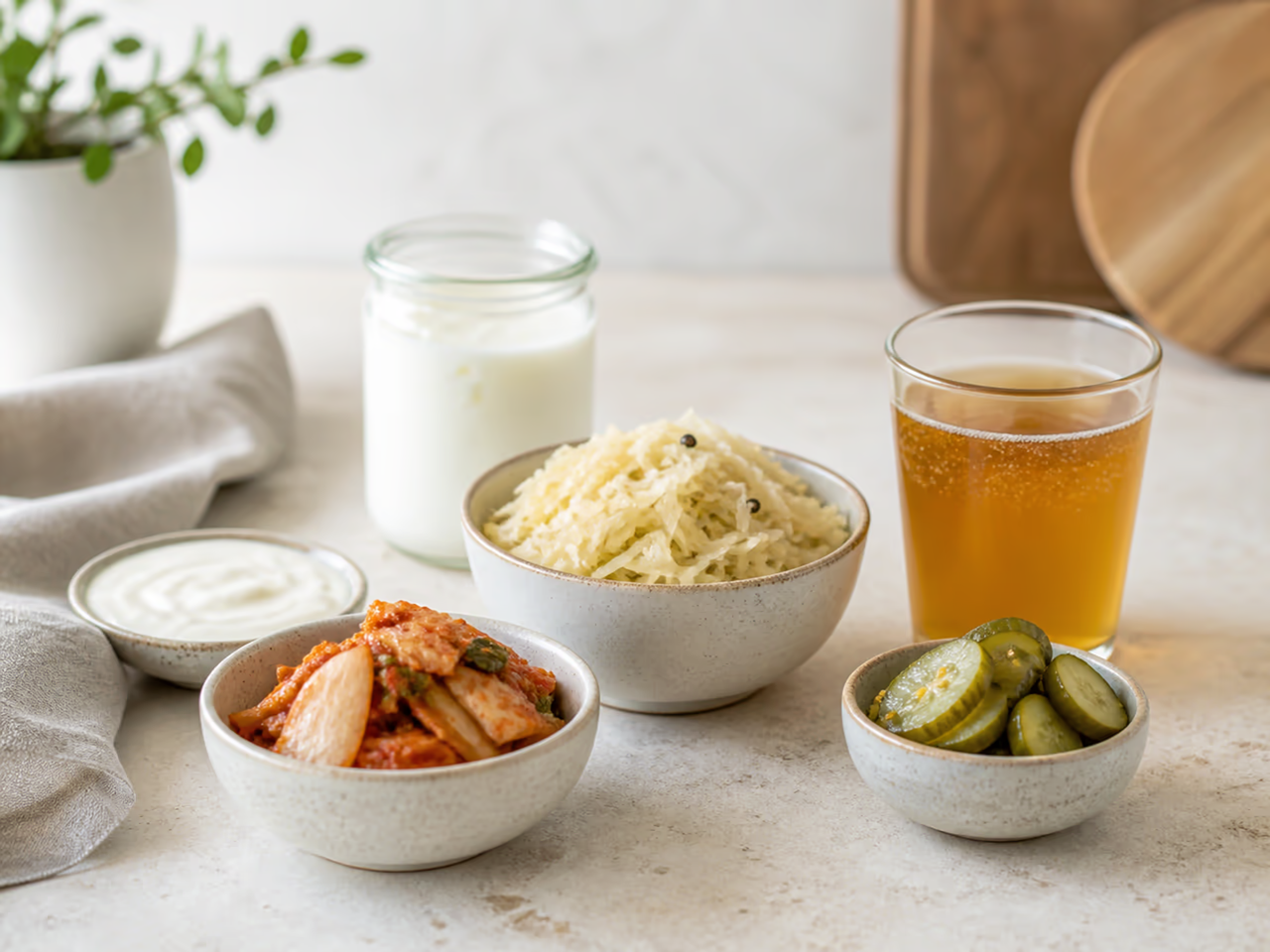
What it is. This Stanford randomized trial assigned 36 healthy adults to either a high-fermented-food diet or a high-fiber diet for 10 weeks. The fermented-food group increased foods such as yogurt, kefir, fermented cottage cheese, kimchi, sauerkraut, kombucha and other live-culture ferments.
What it found. The fermented-food group showed a steady increase in gut-microbiome diversity and a reduction in 19 inflammatory markers, including interleukin-6. The high-fiber group did not show the same diversity increase over the short study period, although fiber has strong evidence from many other lines of research.
Why this matters. Microbiome diversity is not a perfect health score, but low diversity often tracks with poorer metabolic and immune resilience. The inflammatory-marker changes make the finding more interesting because they connect the diet to immune activity, not just stool bacteria.
What moved the result. Variety seemed important. Participants were not told to eat one magic fermented food; they increased a range of live fermented foods. That makes sense biologically: different ferments carry different microbes, acids, peptides and plant compounds.
How strong is it? The trial was randomized, which is good, but it was also small and short. It does not prove that fermented foods prevent disease, and it does not mean fiber is unimportant. A better interpretation is that live fermented foods can change the microbiome and inflammatory tone quickly in some people.
Practical take. Start modestly: a serving of plain yogurt or kefir, a little kimchi or sauerkraut, or a low-sugar kombucha. Watch added sugar and salt. If you have histamine intolerance, severe IBS, or are immunocompromised, go more carefully and get individual advice.
A sensible target. Think "small and regular" rather than heroic. One live fermented food most days is a good start; two or three different types across the week is better. Choose products that are actually fermented and, when relevant, still contain live cultures. Shelf-stable pickles in vinegar are tasty, but they are not the same microbiome intervention as live sauerkraut, kefir or yogurt.
Bottom line. Fermented foods are not magic, but a varied intake of live ferments is one of the more practical microbiome habits with randomized human evidence behind it.