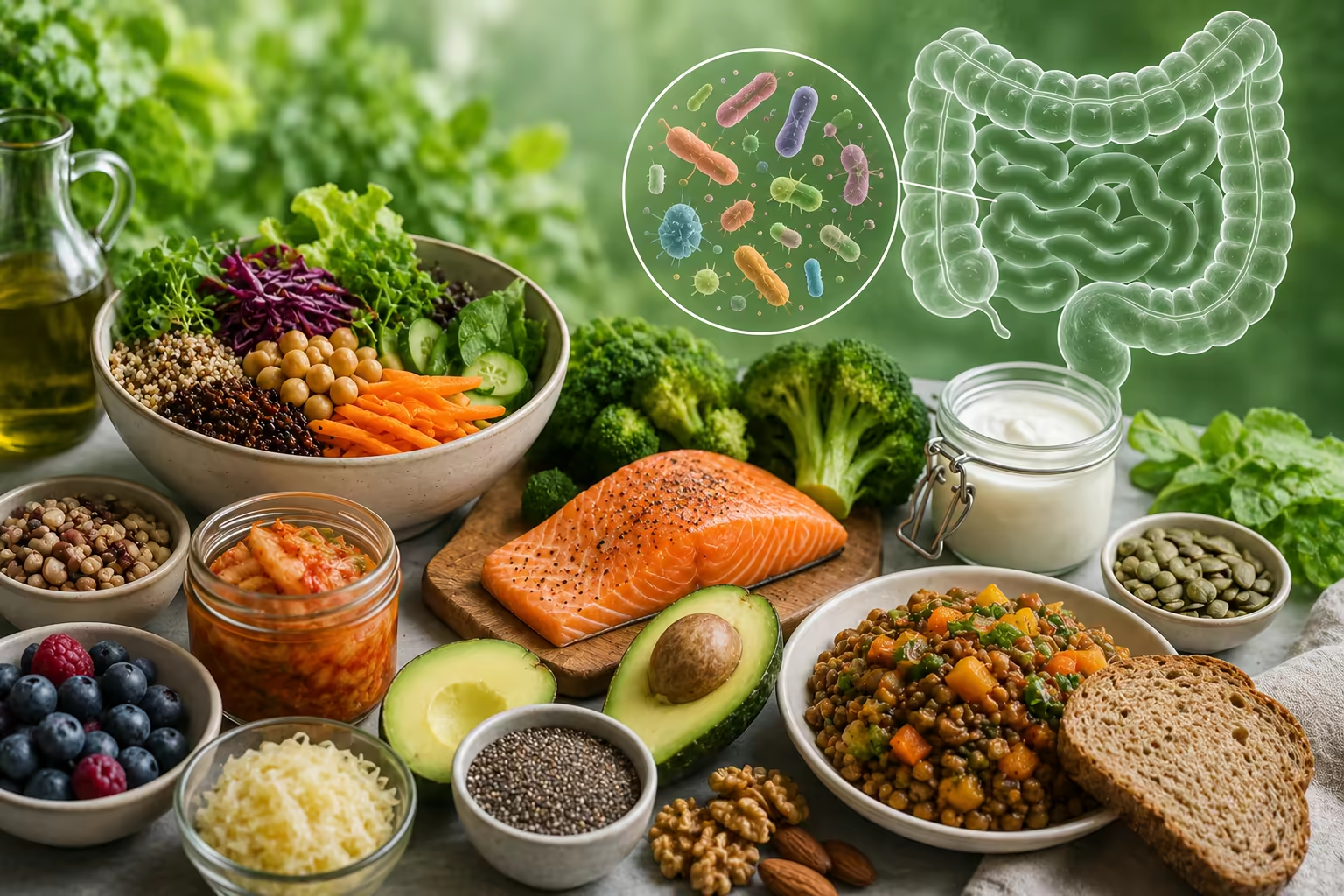
Research overview A recent randomized controlled crossover trial explored the impact of a flexitarian diet on gut microbiota and metabolite profiles in men facing cardiometabolic risks. The study involved 19 participants who followed two distinct 4-week diets: a flexitarian diet emphasizing plant protein sources and a control diet with a higher proportion of animal proteins.
Dietary changes and microbiota effects The flexitarian diet consisted of 64% plant proteins, while the control diet included 36% plant proteins. Although the overall diversity of gut microbiota remained stable, the flexitarian approach reduced specific bacterial taxa typically associated with animal-based diets. Notably, Alistipes putredinis, a taxon linked to animal protein consumption, was less prevalent in participants following the plant-rich diet.
Metabolic shifts observed The study also highlighted significant shifts in metabolite profiles. Participants on the flexitarian diet exhibited increased levels of fecal xanthurenic acid and a decrease in the genetic potential for indole production. These changes suggest a metabolic transition from indole production toward pathways related to kynurenine and indole propionic acid, likely influenced by higher fiber intake from legumes.
Implications for cardiometabolic health These findings are particularly relevant for individuals with elevated cardiometabolic risk factors, such as high plasma triglycerides and waist circumference. The study indicates that incorporating more plant protein sources into the diet can positively influence gut microbiota activities and metabolic pathways associated with health.
Practical takeaways For those looking to improve their gut health and metabolic status, adopting a flexitarian diet could be beneficial. This approach not only enhances dietary fiber intake but also promotes a healthier microbiome profile.
Bottom line A one-month flexitarian diet can effectively modulate gut microbiota and influence tryptophan metabolism in men at cardiometabolic risk. These coordinated changes suggest that increasing plant protein sources may support better health outcomes.
Medical note. This article is intended for general educational purposes and should not be considered personal medical advice.