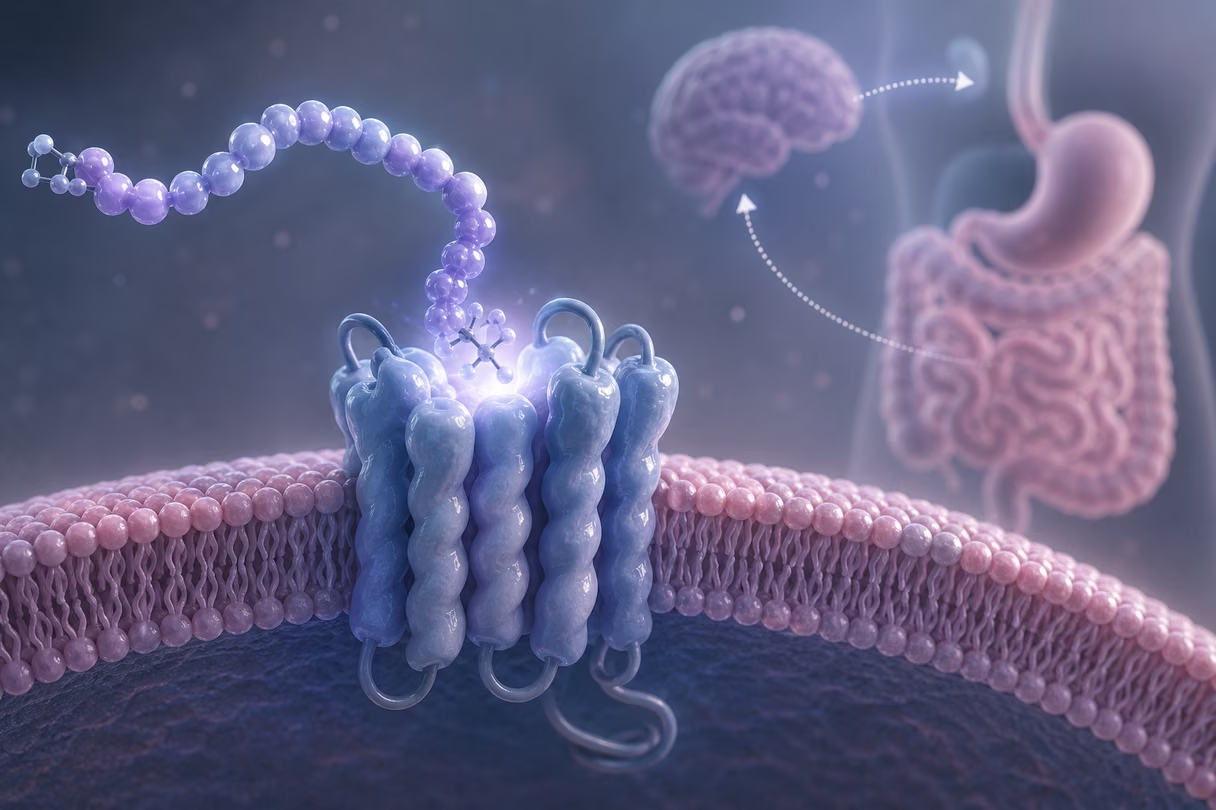
A systematic review and network meta-analysis has evaluated the impact of glucagon-like peptide-1 receptor agonists (GLP-1RAs) on body composition in adults with overweight or obesity, including those with type 2 diabetes (T2D). Published in Diabetes, Obesity & Metabolism, it pooled 43 randomized controlled trials in 3,379 adults, comparing 17 different drugs or doses against a control group. Unlike studies that rely on scale weight alone, these trials used direct body-composition measurement, and the results were combined as standardized mean differences (SMDs) in a network meta-analysis, with the certainty of the evidence formally appraised. The tracked outcomes were detailed: total body fat (%), fat mass (kg), visceral adipose tissue, subcutaneous adipose tissue, liver fat content, and lean mass.
Findings indicate that glp-1ras are effective at targeting fat specifically. Given subcutaneously, they outperformed control not just on total body fat and fat mass, but also on visceral fat, subcutaneous fat, and liver fat, the fat depots most closely tied to metabolic risk. Agents in this class include liraglutide, semaglutide, and tirzepatide.
However, the analysis also highlights a concern regarding lean mass, and here the detail matters. Across the class as a whole, there was no significant change in total lean tissue, an important reassurance. But three specific high-dose regimens bucked that pattern and significantly reduced lean mass from baseline: liraglutide 1.8 mg/day, semaglutide 1.0 mg weekly, and tirzepatide 15 mg weekly, with standardized mean differences ranging from about -0.50 to -1.09. In other words, the lean-mass trade-off is concentrated at the higher doses rather than being a uniform feature of the drugs, which matters because maintaining lean mass is crucial for strength, metabolic function, and healthy aging.
This research is particularly relevant for healthcare providers and patients navigating obesity treatment options. Understanding the dual effects of GLP-1RAs on body composition can help inform treatment plans that balance fat loss with the preservation of lean tissue.
Practical takeaways include the importance of monitoring body composition changes during treatment with GLP-1RAs. Patients and clinicians should discuss potential impacts on lean mass and consider strategies to mitigate these effects, such as incorporating resistance training or adjusting dietary protein intake.
The bottom line is clear: while GLP-1RAs can significantly improve body composition by reducing excess fat, attention must be paid to the potential reduction in lean mass, especially at higher doses.
Medical note. This article is intended for general education and should not be considered personal medical advice.