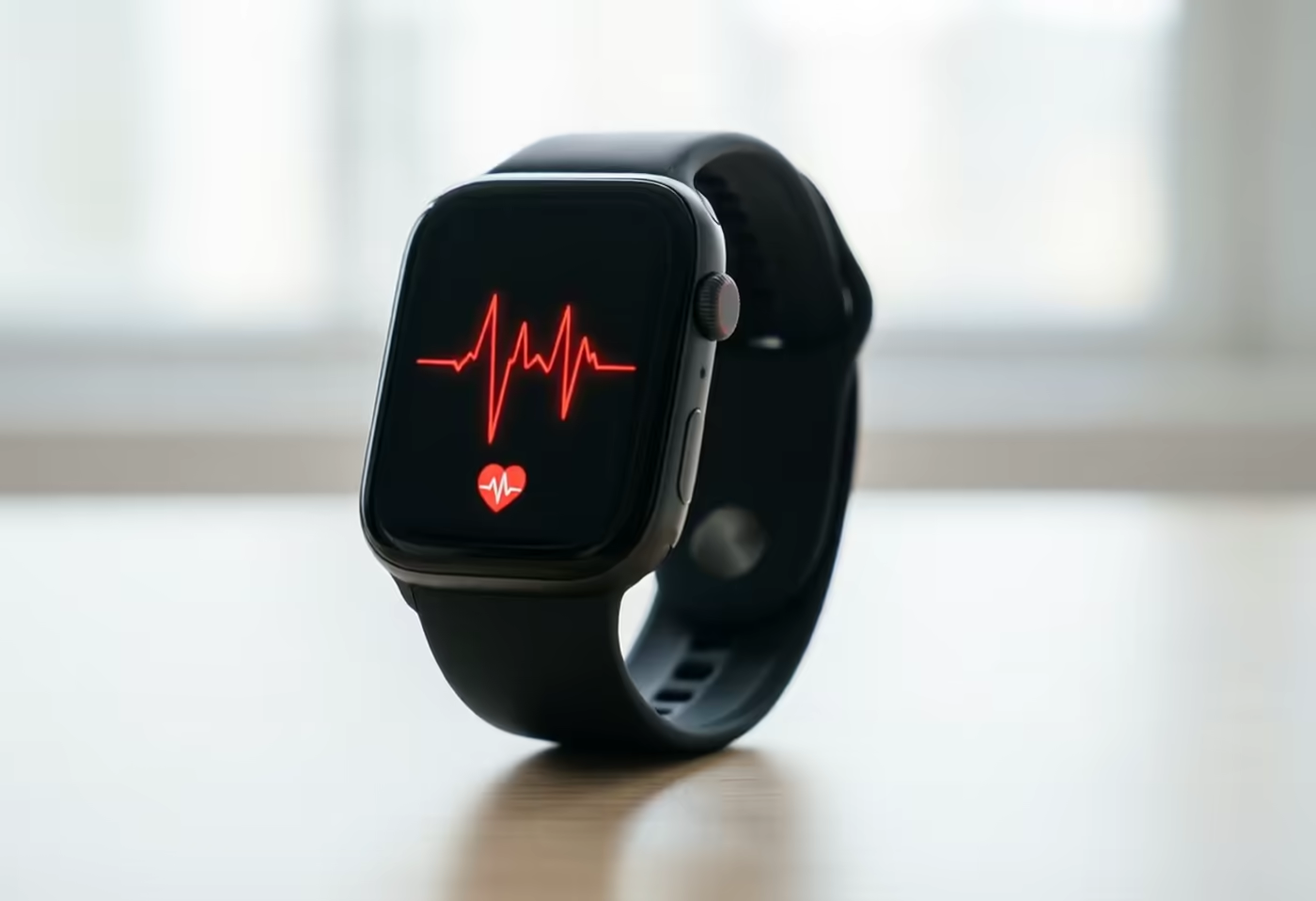
What it is. Heart rate variability, or HRV, measures the tiny beat-to-beat changes in heart rhythm. It is not a fitness score by itself. It is a rough window into autonomic balance - especially how well the parasympathetic, "rest-and-digest" side of the nervous system is showing up at rest.
Why it matters. Higher resting HRV is often seen in people who are fitter, better recovered and less physiologically stressed. Lower HRV can appear after poor sleep, alcohol, illness, heavy training, psychological stress or eating very late. The important word is trend. A single low reading is usually noise; a multi-day drop compared with your own baseline is more informative.
What actually raises it. The biggest levers are boring but powerful: consistent sleep timing, enough total sleep, regular aerobic training, strength training that is not excessive, lower alcohol intake, and recovery days when training load is high. Breath work can raise HRV acutely, especially slow breathing around 5-6 breaths per minute, but it should be treated as a nervous-system practice rather than a magic fix.
Where people go wrong. Trying to maximize HRV every day can backfire. HRV naturally drops after hard training, travel, illness, large meals, poor sleep and emotional stress. That does not mean the body is failing; sometimes it means the body is adapting. The goal is not a perfect daily number, but a healthier baseline over weeks and months.
How to use it. Measure under the same conditions: ideally in the morning, before caffeine, using the same device. Watch the 7-day trend and pair it with how you feel. If HRV is low and resting heart rate is up, it is a good day to reduce intensity, walk, sleep more and avoid alcohol. If HRV is stable and energy is good, train normally.
Bottom line. You raise HRV by improving recovery capacity, not by chasing the number. Sleep, aerobic fitness, sane training load, less alcohol and stress management do most of the work.