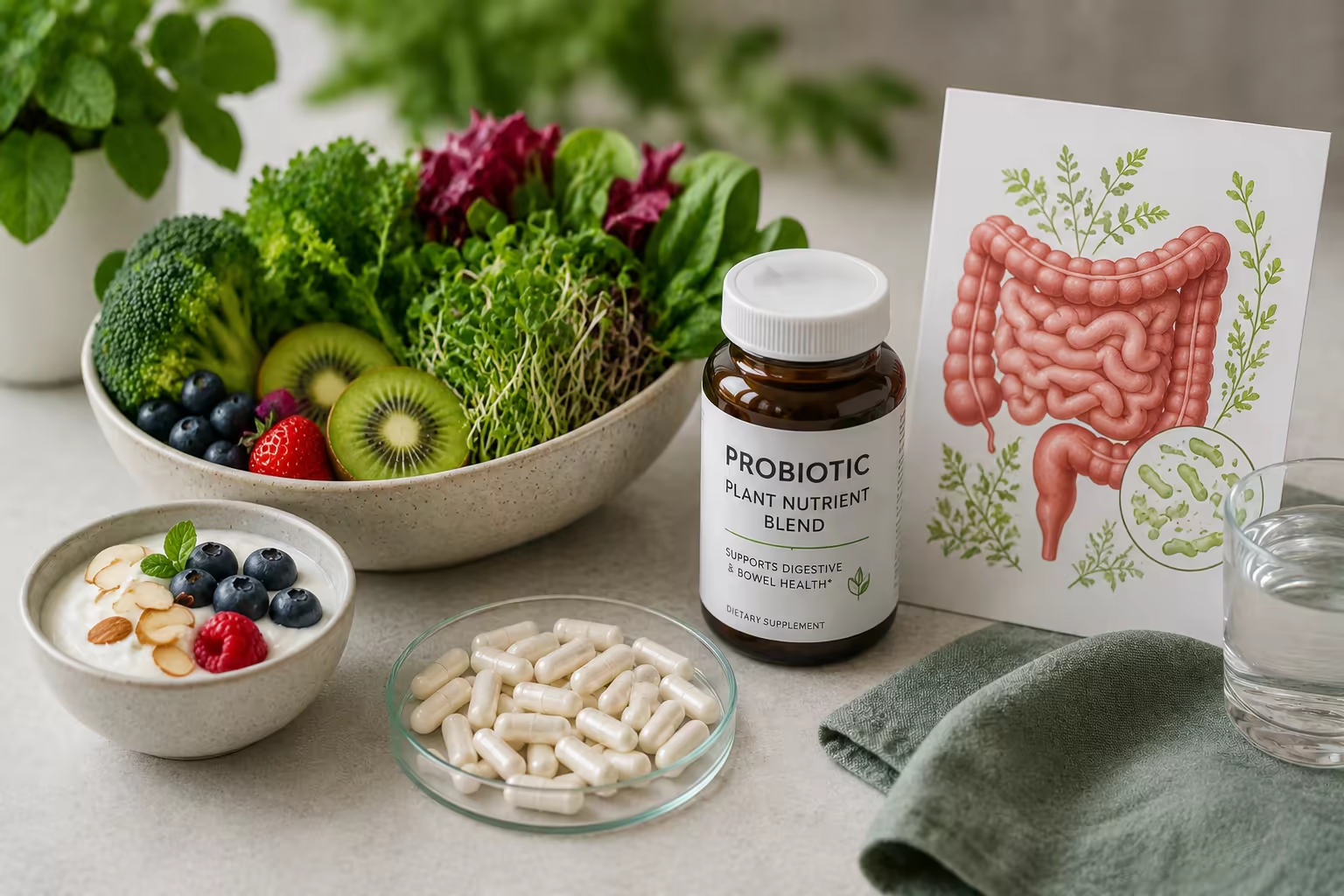
Two probiotic blends paired with plant nutrients improved bowel function and beneficial gut metabolites in an 8-week trial. A randomized, double-blind, placebo-controlled study in Nutrients tested whether combining multi-strain probiotics with plant-based compounds (phytonutrients) could support digestion, the gut barrier, and the microbiome, and found measurable changes on several fronts.
Why researchers combined probiotics with phytonutrients. Probiotics are widely used for gut health, but evidence comparing multi-strain formulations of different potencies, especially when paired with plant complexes, is still limited. The idea behind pairing them is that phytonutrients may act as fuel or cofactors that help the bacteria do their work, so the team set out to measure whether two such blends outperformed placebo on concrete markers rather than on general claims.
What the study did. In this randomized, double-blind, placebo-controlled trial, participants received one of two blends or a placebo for eight weeks. The first blend, PBP1, used Lacticaseibacillus strains; the second, PBP2, added Lactobacillus and Bifidobacterium strains. Researchers tracked several outcomes at the start and at week 8: stool patterns via a 7-day Bristol Stool Form Scale diary, fecal short-chain fatty acids, tryptophan metabolites, the gut-barrier marker zonulin, and the composition of the gut microbiota. Each blend was compared against the placebo group.
Bowel function improved. Both PBP1 and PBP2 significantly increased the proportion of normal stool types (Bristol types 3 to 5) compared with placebo, indicating more regular, better-formed stools rather than constipation or loose stools.
Beneficial gut metabolites rose. Levels of short-chain fatty acids, the compounds gut bacteria produce when they ferment fiber, increased in both groups, including acetate, propionate, and butyrate. Butyrate in particular, a key fuel for the cells lining the colon, was significantly higher than placebo. The blends also shifted tryptophan metabolism: fecal tryptophan fell while indole metabolites trended upward, with an inverse correlation between the two that was most evident in the PBP2 group.
Gut-barrier and microbiome signals. Zonulin, a marker linked to intestinal permeability or "leaky gut," showed a downward trend, with statistically significant reductions specifically in participants in the overweight range (BMI 25 to under 30), hinting at a body-weight-dependent effect on barrier function. Meanwhile, overall microbial diversity was preserved, with selective enrichment of Lactobacillus-related bacteria rather than a wholesale disruption of the ecosystem.
An important caveat on independence. All of the study's authors are employees of the companies involved, HEM Pharma and Amway, which develop and market such products. That does not invalidate the results, but industry-funded and industry-authored research warrants extra scrutiny, and independent replication by unaffiliated groups would substantially strengthen confidence in the findings.
How to read this. This was a short, 8-week trial focused on stool patterns and biological markers, not long-term health outcomes, and the effects are tied to these specific strains and formulations, so they may not transfer to other probiotic products on the shelf. Some changes, such as the zonulin reduction, appeared only in a subgroup, which is a preliminary rather than a definitive signal.
Practical takeaway. For most people, the best-established, food-first ways to support gut health remain a fiber-rich, diverse plant diet and fermented foods, which naturally supply both microbes and the substrates they feed on. Specific supplements like these may have a role, but they are best viewed as an addition to, not a replacement for, those fundamentals.
Bottom line. These particular probiotic-plant nutrient blends improved bowel regularity and boosted beneficial gut metabolites over eight weeks, with encouraging barrier and microbiome signals, but the industry authorship, short duration, and strain-specific design mean the findings are promising rather than conclusive.