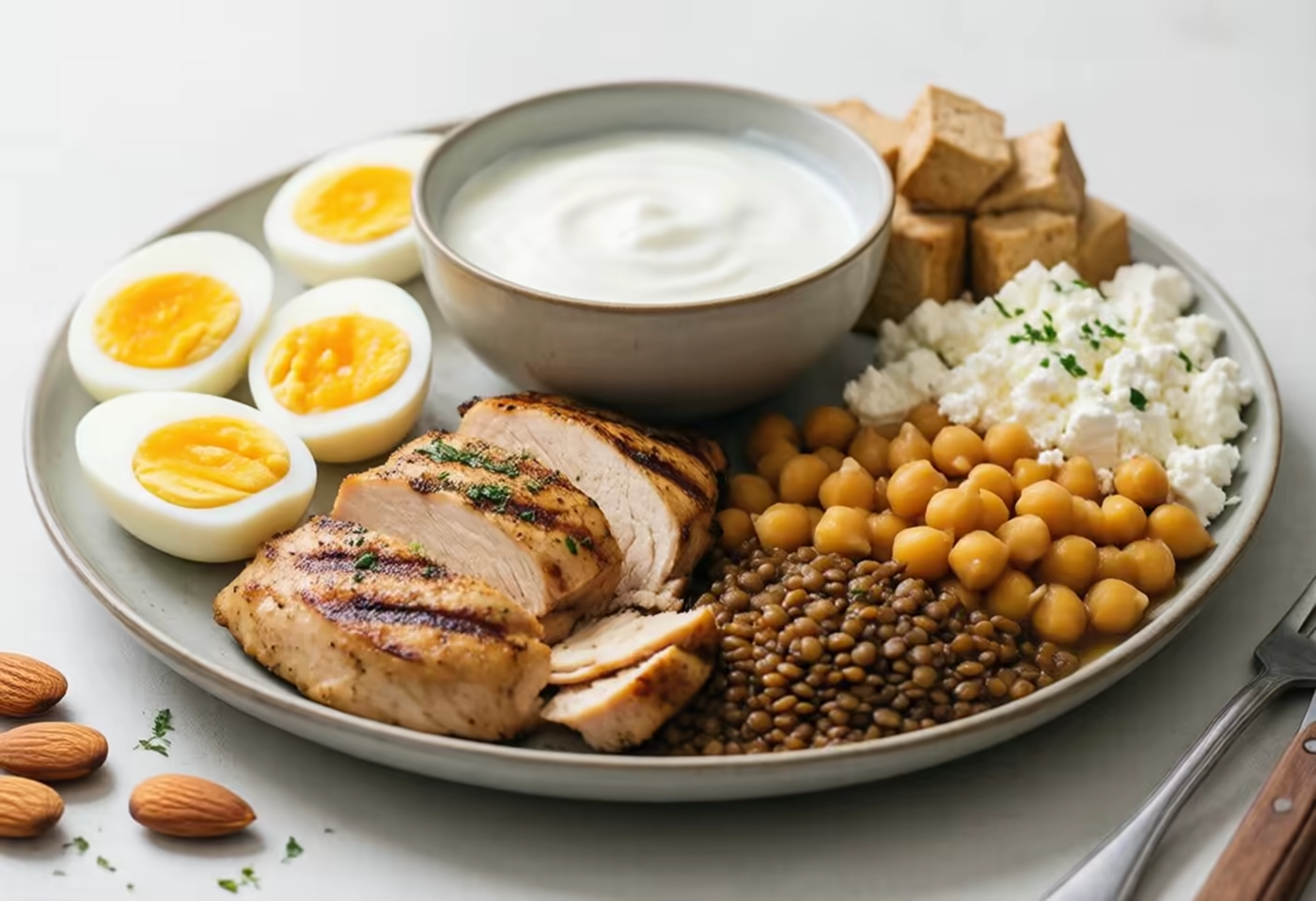
What it is. Protein needs are not one fixed number for everyone. The official minimum is designed to prevent deficiency, not necessarily to optimize muscle, appetite control, training adaptation or healthy aging. For active adults and older adults, the useful range is often higher than the basic minimum.
The practical range. For many healthy adults, a target around 1.2-1.6 g protein per kg body weight per day is a good working range. People doing resistance training, losing weight, recovering from injury or trying to preserve muscle with age may benefit from the higher end. Very lean athletes in a calorie deficit may go higher, but most people do not need extreme intakes.
Why older adults need attention. With age, muscle becomes less responsive to small protein doses. This is sometimes called anabolic resistance. That is why older adults often do better with protein spread across meals, with each meal containing a meaningful dose rather than saving most protein for dinner.
Meal distribution matters. A practical target is 25-40 g high-quality protein per main meal, adjusted for body size and age. Leucine-rich proteins - dairy, eggs, fish, meat, soy and well-built protein powders - are especially effective at switching on muscle protein synthesis. Plant-based diets can work well, but often need a little more planning because some plant proteins are lower in one or more essential amino acids.
Protein and weight control. Protein is useful during fat loss because it improves satiety and helps preserve lean mass when calories are lower. This does not mean protein magically causes weight loss; it means the diet is easier to stick to and less likely to cost muscle.
Bottom line. Protein is not just a gym topic. It is a basic lever for muscle, appetite and aging well. Most adults do not need massive amounts, but many benefit from more than the bare minimum - especially when it is distributed across the day.