What it is. This BMJ umbrella review synthesized 45 meta-analyses covering nearly 10 million people. It examined how exposure to ultra-processed foods, often called UPFs, relates to a wide range of health outcomes.
What it found. Higher UPF intake was associated with 32 adverse health outcomes. The strongest evidence linked UPFs with about a 50% higher risk of cardiovascular-related death, higher risk of anxiety and common mental disorders, and a higher risk of type 2 diabetes. There was also highly suggestive evidence for higher all-cause mortality.
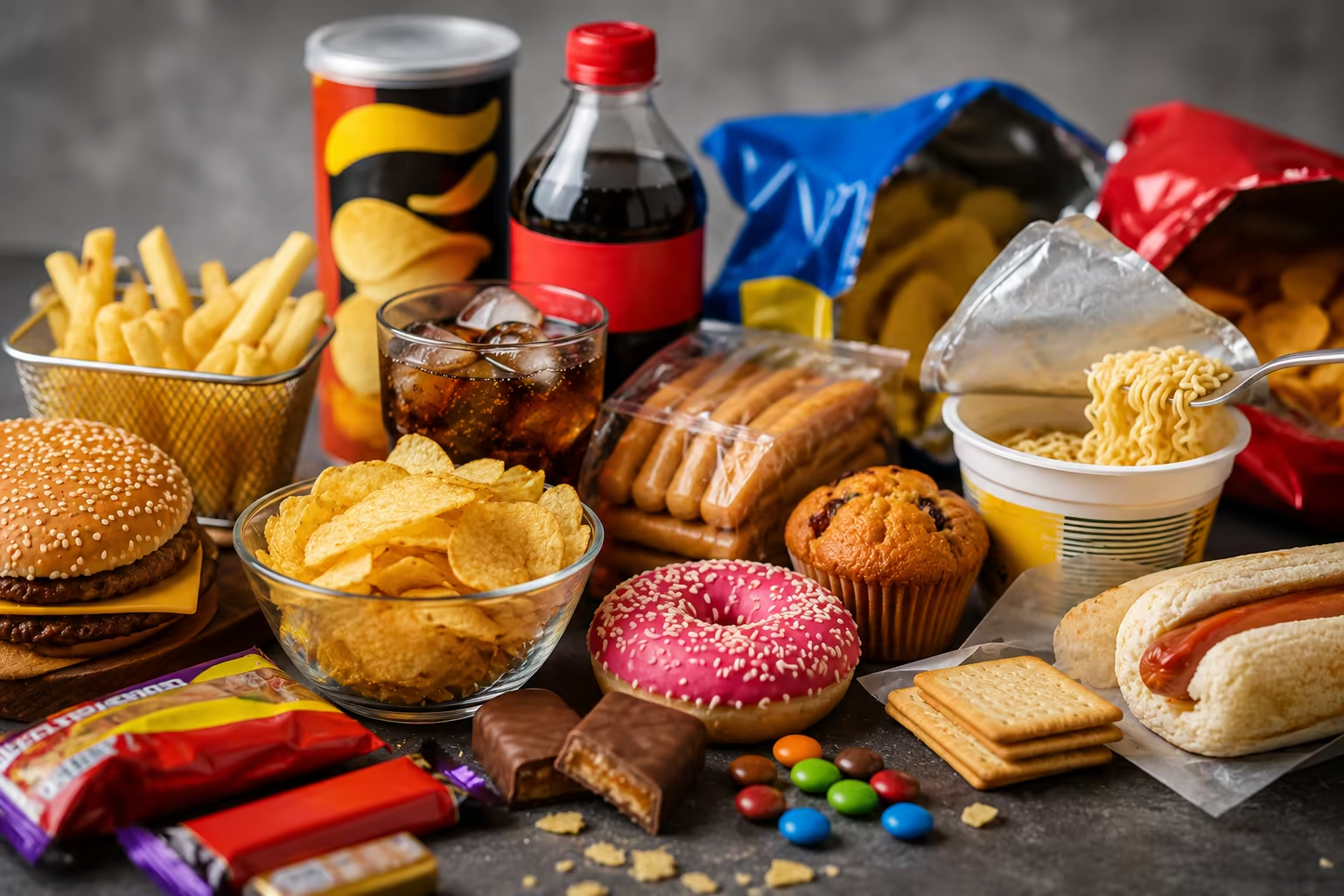
What counts as upf. UPFs are not simply "food in a package." The category usually means industrially formulated products made with refined starches, added sugars, oils, emulsifiers, flavors, colors and other additives, often designed to be cheap, convenient and highly palatable. Sodas, packaged snacks, many sweetened cereals, reconstituted meat products, instant noodles and many ready meals are classic examples.
Why they may be harmful. Several mechanisms may overlap: high energy density, low fiber, rapid eating speed, poor satiety, high salt, added sugars, refined fats, displacement of whole foods, and the way industrial formulations encourage passive overconsumption. Some additives and processing byproducts are also being studied, but the biggest practical issue is the total pattern of eating.
How strong is it? The review is broad and consistent, but most evidence is observational. That means it cannot prove UPFs directly cause every outcome. People who eat many UPFs may also have lower income, more stress, less sleep and less access to fresh foods. Still, the consistency across outcomes, countries and study designs makes the signal hard to ignore.
Practical take. The goal is not perfection. Start by replacing the most frequent UPF staples: sugary drinks, packaged snacks, sweet breakfast foods and ready meals. Keep convenience, but upgrade it: plain yogurt, oats, eggs, canned beans, frozen vegetables, wholegrain bread, nuts, fruit, tins of fish and simple batch-cooked meals.
Bottom line. Ultra-processed foods are best treated as occasional convenience, not the backbone of the diet. The most realistic target is a food pattern where whole and minimally processed foods do most of the work.