A new study published in the journal of the international society of sports nutrition explores the impact of upper-body plyometric training (PT) combined with β-alanine (BA) supplementation on trained male swimmers. This research addresses a gap in understanding how these two elements interact to enhance performance and physiological adaptations in aquatic athletes.
The study involved thirty trained male swimmers who participated in an 8-week training program. They were divided into three groups: one receiving both PT and BA, another receiving PT with a placebo, and a control group. The PT sessions focused on upper-body plyometric exercises, which are known to improve power and neuromuscular performance.
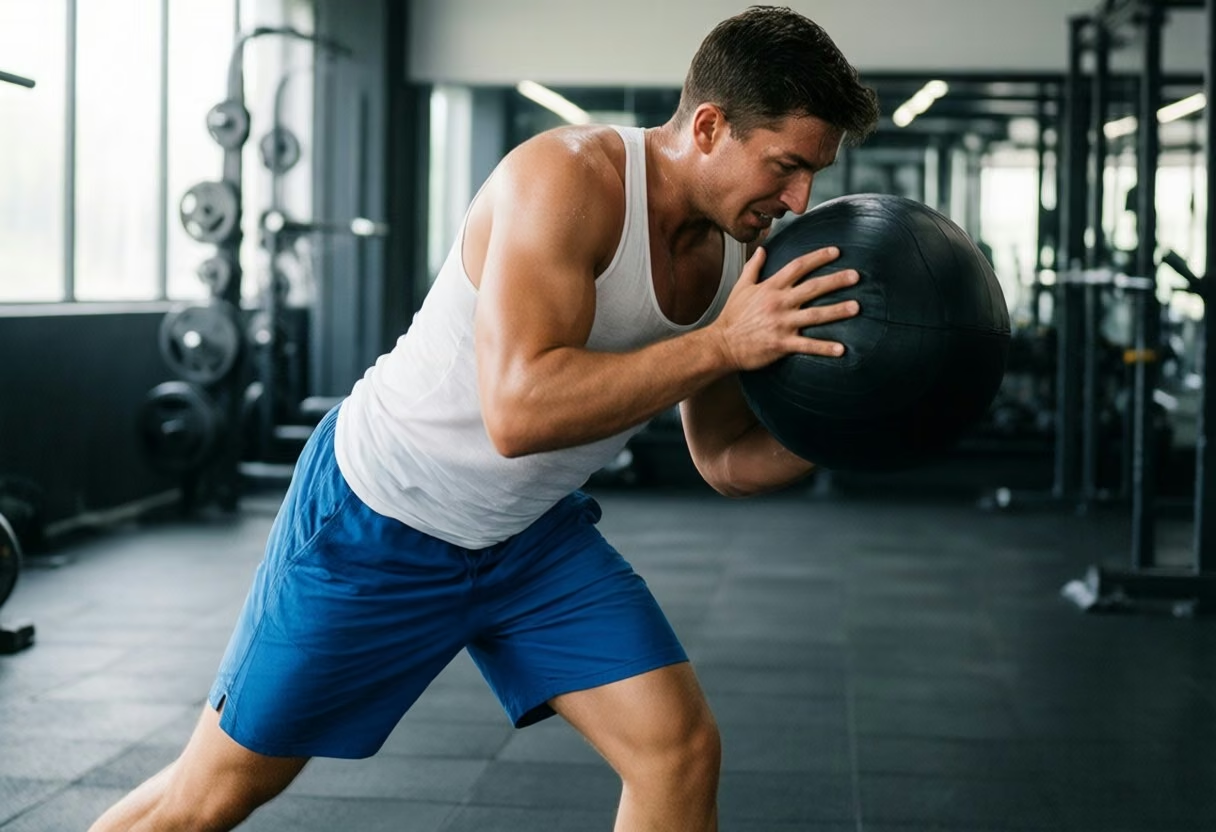
Results showed significant improvements in various performance metrics for both PT groups compared to their baseline measurements. Notably, those in the PT + BA group exhibited greater enhancements in medicine ball throw, push-up endurance, and swim ergometer power outputs than their placebo counterparts.
Additionally, the pt + ba group experienced notable changes in hormonal and immune responses, with increases in testosterone and immunoglobulin A (IgA) levels, alongside a decrease in cortisol. These adaptations suggest a more favorable immunoendocrine profile resulting from the combined training and supplementation approach.
While the findings are promising, they do not establish a one-size-fits-all solution. The study was conducted on a specific demographic of trained male swimmers, and results may vary across different populations or levels of athleticism. Further research could help clarify these effects in broader contexts.
For competitive swimmers, integrating upper-body plyometric training with β-alanine supplementation could offer a strategic advantage. This combination may not only enhance performance but also support recovery and physiological resilience during intense training periods.
Bottom line: Combining upper-body plyometric training with β-alanine supplementation appears to provide synergistic benefits for swimming performance and recovery. Athletes should consider these findings when designing their training regimens.
Medical note. This article is for general educational purposes and should not be considered personal medical advice.