Slow-Baked Rye and Pumpkin Seed Pumpernickel
A dark, dense sourdough rye loaf packed with pumpkin seeds, baked low and slow for deep sweetness.
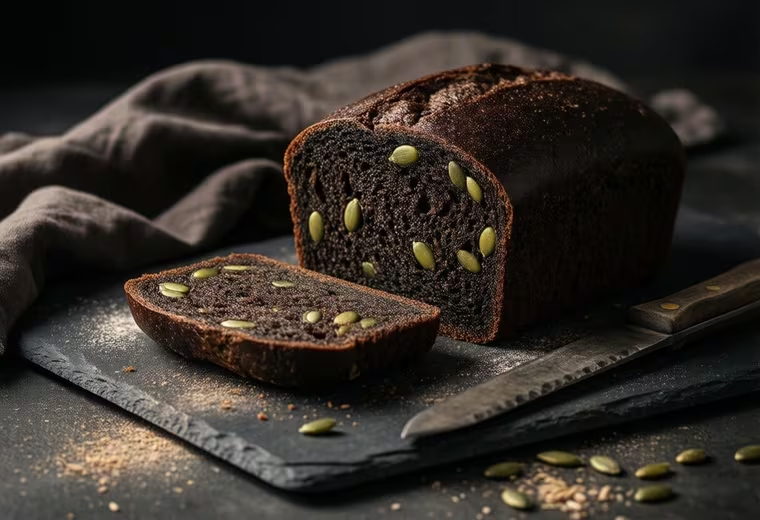
Best for Gut-friendly whole-grain fuel: high fibre, slow carbs and seed minerals
This is real German pumpernickel: no molasses shortcut, just coarse rye meal and cracked rye softened overnight, then baked at a low temperature for hours until the natural sugars caramelize into a dark, malty crumb. It slices thin and holds together beautifully, which is exactly what you want under a smear of avocado or a slick of good oil. Pumpkin seeds run all the way through for magnesium, zinc and iron plus a nutty bite against the sour rye.
Ingredients
- 300 g Coarse rye meal , the coarsest whole rye you can find
- 200 g Whole rye flour
- 150 g Active rye sourdough starter , fed and bubbly, 100% hydration
- 450 ml warm water , around 40C
- 120 g Pumpkin seeds , raw, hulled; reserve 20g for the top
- 10 g fine sea salt
- 15 g Blackstrap molasses , for color and a faint bitter depth (optional – can be omitted)
- 10 ml neutral oil , for greasing the pan
Instructions
-
1
The night before, combine the coarse rye meal with 250ml of the warm water in a bowl. Stir, cover, and leave at room temperature to soak overnight. This softens the coarse grain so the loaf isn't gritty and starts a gentle fermentation.
-
2
In the morning, add the whole rye flour, sourdough starter, salt, molasses if using, and the remaining 200ml warm water to the soaked rye. Stir hard with a sturdy spoon for a few minutes until you have a thick, sticky, uniform paste rather than a smooth dough; rye has little gluten, so you are aiming for a paste that just holds together, not something kneadable. Fold in 100g of the pumpkin seeds.
-
3
Oil a 900g loaf pan well and scrape in the dough, pressing it into the corners and smoothing the top with a wet spoon. Scatter the reserved 20g pumpkin seeds over the surface and press them in lightly. Cover and let it proof in a warm spot until it rises noticeably and the surface shows small cracks, about 3 to 4 hours depending on room warmth and starter strength.
-
4
Heat the oven to 120C. Cover the pan tightly with foil to trap steam and keep the crust from setting too early, then bake low and slow. The long, gentle heat is what turns the rye starches sweet and the crumb dark.
-
5
Remove the foil, raise the oven to 160C, and bake until the top is deeply browned and the internal temperature reaches 96 to 98C, about another hour. Turn the loaf out and cool completely on a rack, then wrap and rest at least 24 hours before slicing thin; pumpernickel needs this rest to set its dense crumb and full flavor.